Monday, December 2, 2024

A few weeks ago we did an eight-day trip to Puerto Rico, the Rich Port. We spent several days with Molly and Mitchell, then a few more by ourselves. We stayed a couple days in Old San Juan, a couple days on Vieques Island, and a couple days on the west side of the island. 

I like seats where I can make sure the engine is still attached. This is a Boeing aircraft after all. Never know what may fall off.

Puerto Rico is part of the Greater Antilles Archipelago, about a thousand miles southeast of Miami. Way closer to the equator than West Lafayette, IN, and a lot more fun. Especially in November. 

Puerto Rico was originally settled by the Taino people. They lived on the island for centuries until Hell came to them in the form of the Spanish. Through diseases, slavery and outright murder, the Spanish colonization essentially obliterated the Taino culture. Apparently there was some interbreeding though. A very large portion of the current population has some Taino genes in them. 

Our first couple days were in old San Juan. Old is the operative word. The Spanish founded San Juan in 1521. That’s less than 30 years after Columbus arrived in Hispaniola. For perspective, the Pilgrims landed at Plymouth in 1620. One shopkeeper was lamenting her remodeling problems. Her shop building was over 300 years old, and not designed with electricity or indoor plumbing in mind. Every day provided a new remodeling adventure.
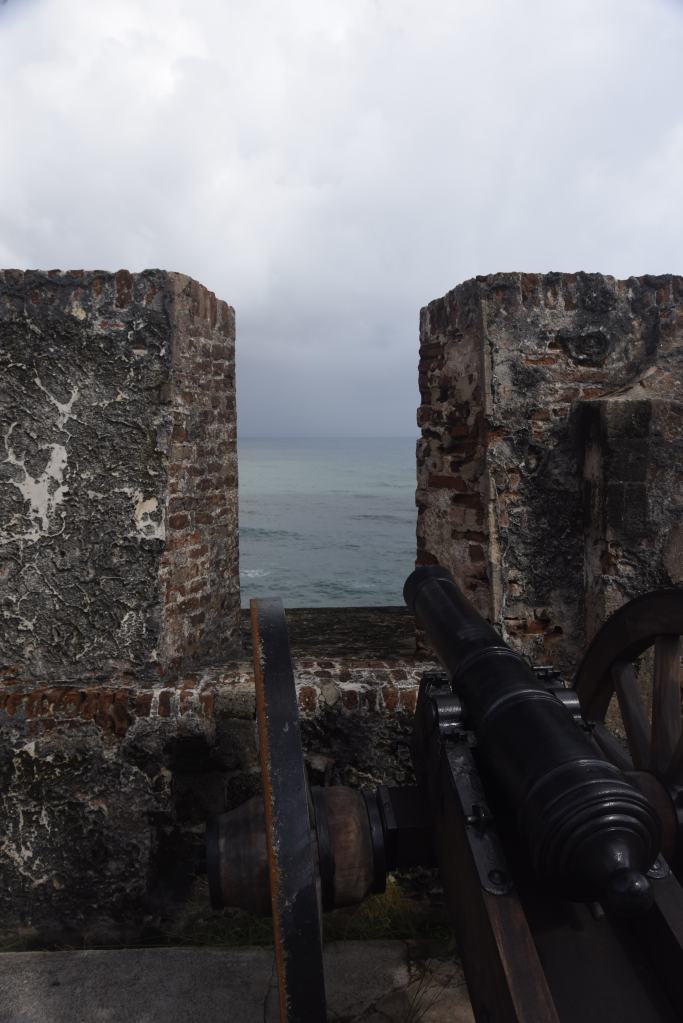
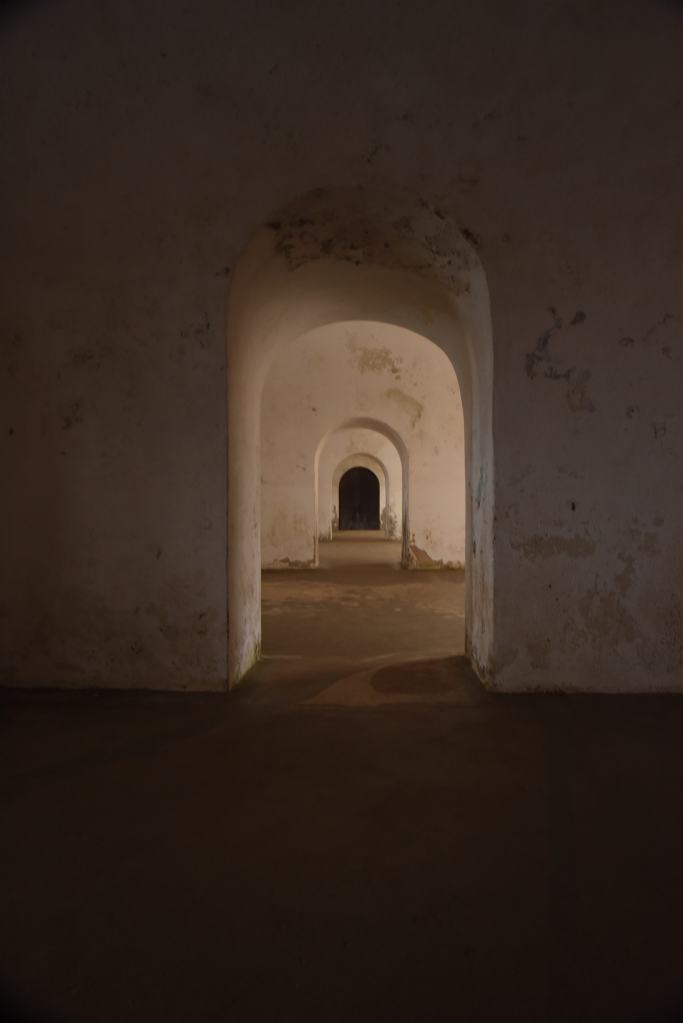
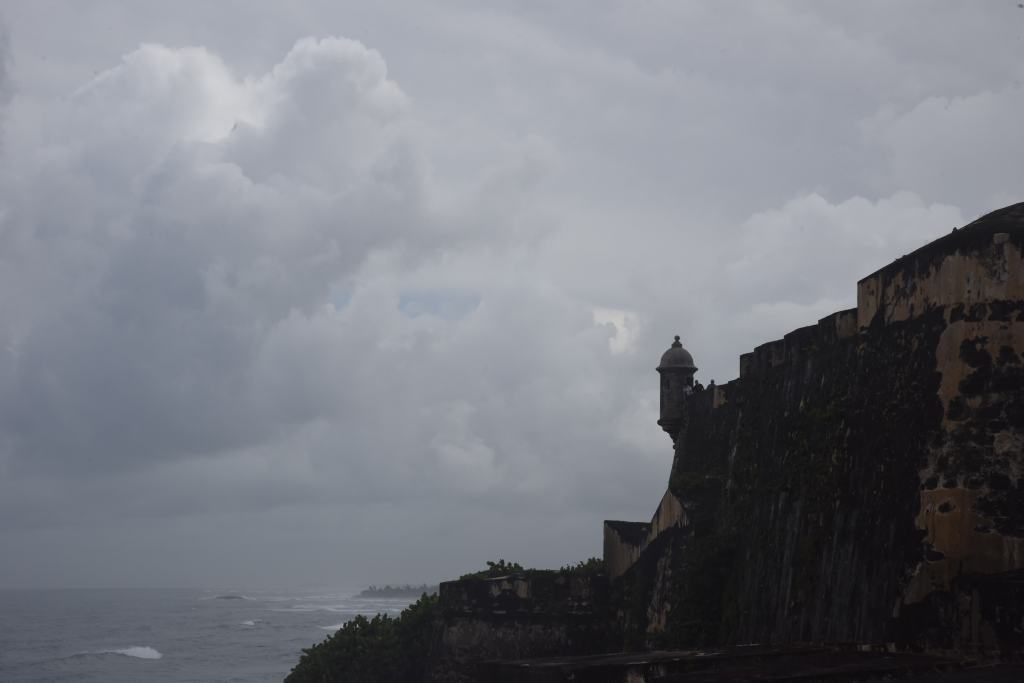
Castillo San Felipe del Morro. The fort built by the Spanish in the 1700s to guard the port. Used by the U.S. until the end of WWII. Wouldn’t it be fun to be in the lookout towers waiting for an English bombardment or the next hurricane?
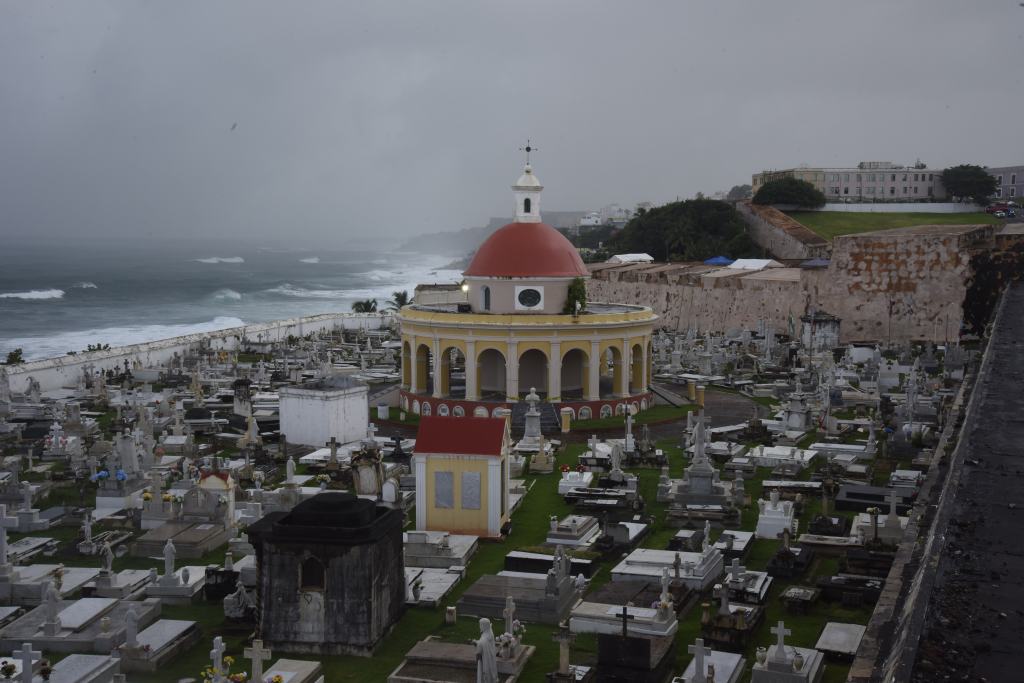
Cementerio Santa María Magdalena de Pazzis, at the base of the fort.

Puerto Rico was a key strategic holding for the Spanish as they colonized the New World. The U.S acquired Puerto Rico as a prize from the Spanish-American War. We acquired other territories at the same time, like Cuba and the Philippines, that have since become independent nations. But, because of its strategic significance, we kept Puerto Rico. So now Puerto Rico is a U.S. territory and its inhabitants are U.S. citizens. Sort of. They don’t get to vote for president and have no voting presence in the U.S. Congress. Kind of like Washington DC residents except that DC residents have to pay federal taxes. 

Puerto Rico is hard to describe succinctly. It’s a place of contrasts. Kind of a mixture of the industrial world and the second or third world. It is not a rich place. Over 30% of Puerto Rico’s population lives below the poverty line. Compared to individual U.S.States, Puerto ranks below Mississippi in terms of wealth. That’s low. One would think that Mississippi would support Puerto Rican statehood to elevate  Mississippi’s standing in the union. 

While not wealthy, their limited access and multi-lane highways are as good as anything on the mainland. Actually better than some U.S. states I have driven in. The one exception is exit sign placement. For some reason the exit number signs are placed after you pass the exit lane. Instead of “Exit 7” the sign should say,  “You just missed exit 7”. 

Roads off the highways are a different story. Narrow, curvy pothole-filled roads would make West Virginia drivers feel right at home. I will say that everywhere we drove, Puerto Rican drivers were incredibly courteous and forgiving to confused mainlanders. Except for maybe the person that fully stopped in the limited access highway passing lane because they were about to miss their exit. We blew past just as he stopped but could see the cars piling up behind him. 

Then there’s the chickens. Chickens were roaming loose almost everywhere we went. They didn’t seem to belong to anyone. It’s not like they had brands or anything. They were a noisy constant presence. Adding to the free roaming fun, Vieques Island had free ranging horses strolling around to compliment the chickens. Not as noisy as the chickens but a lot larger excrement piles. 
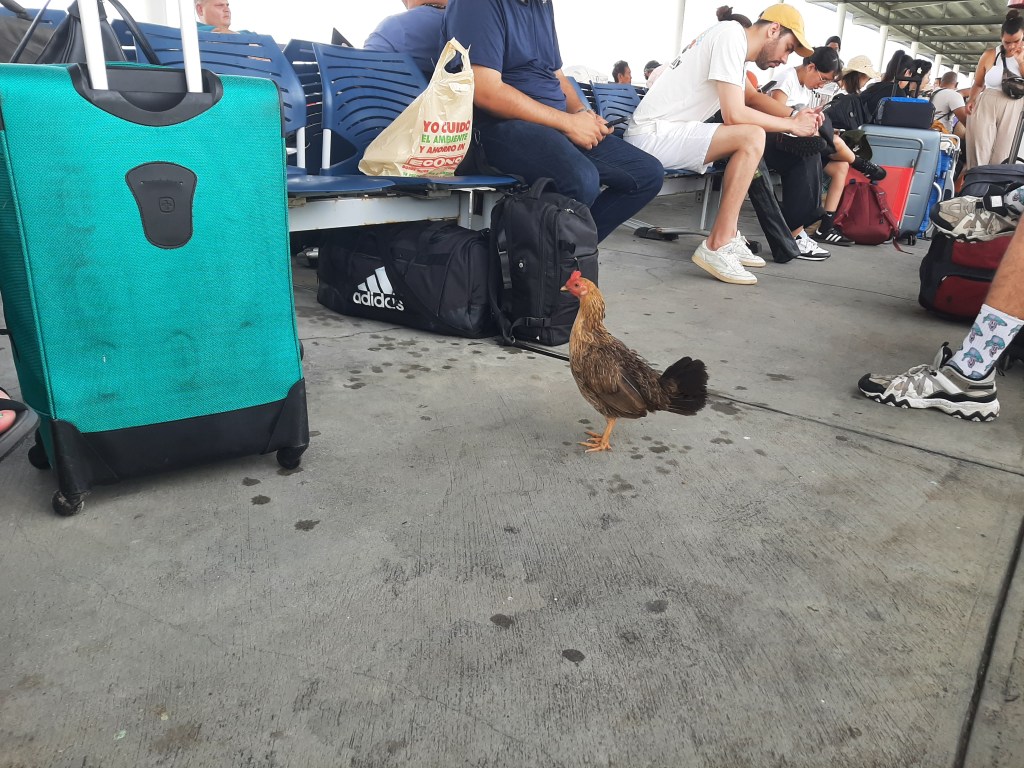
Chickens hanging out.
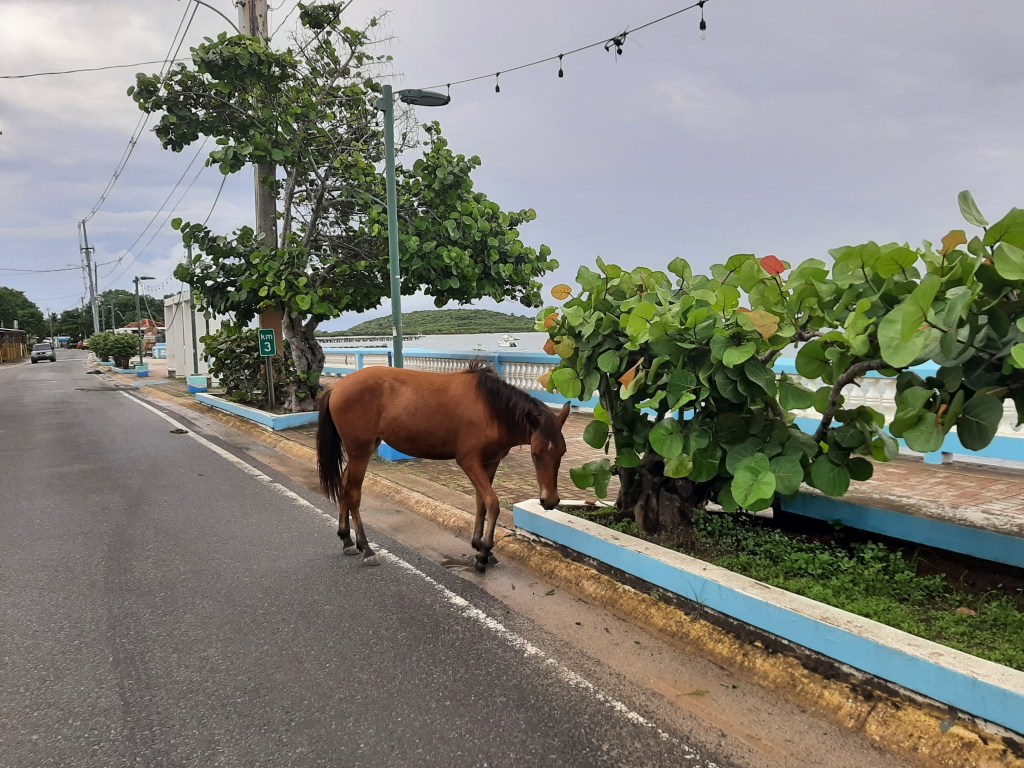
Horses hanging out

Puerto Rico has some systemic problems that are not easily fixed. Like high unemployment. And a failing medical system. Puerto Rican doctors and nurses can hop to the mainland and make a lot more than they do on the island. The island is losing its population. As people leave, there are fewer people to support systems like the medical system. That gives people more reason to leave, creating a downward spiral. But despite the negatives, people we met loved their homeland. And we met a number of ex-pats that love living there. They are there by choice and can’t see living anywhere else. 

We had a great time. The food was good, the rum was great, the beaches and natural areas fun, and the weather was tropical. We missed most of hurricane season but we did have rain every day. Temperatures were pleasant enough that the rain was a minor nuisance, not a vacation killer. The only weather disappointment was the cancellation of  our bio-bay tour because of lightning. 

Enjoying some raw clams and oysters, ankle deep in rainwater at a roadside stand.

Enjoying a beach, Vieques Island.
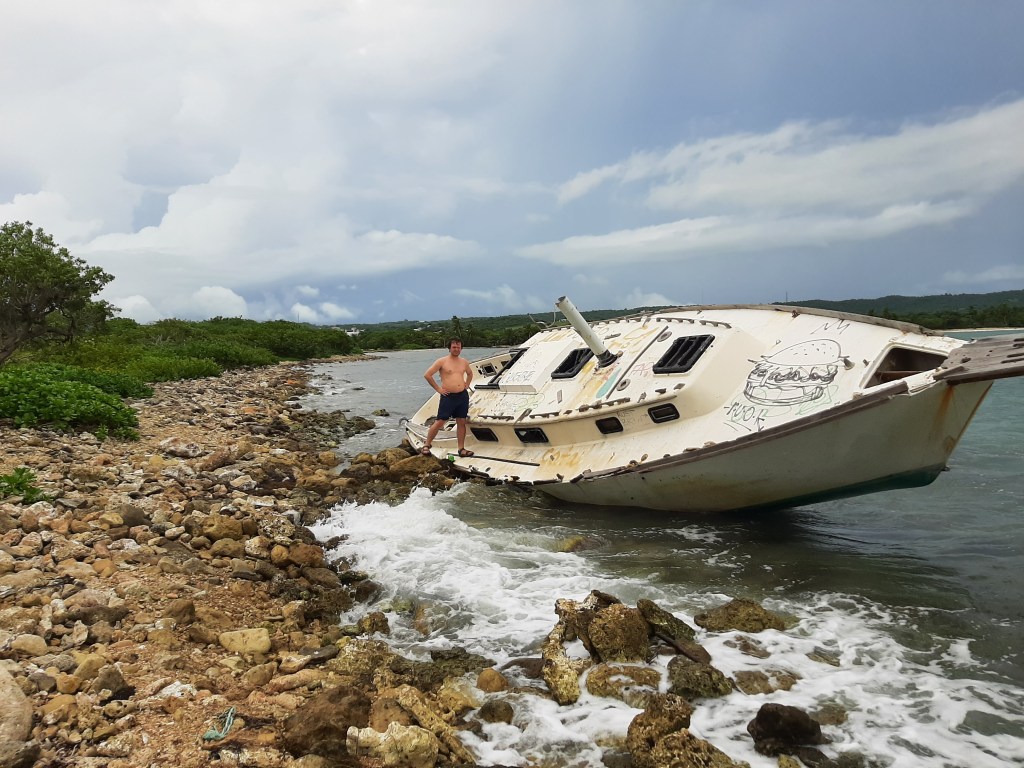
You never know what you’ll find beach-combing.
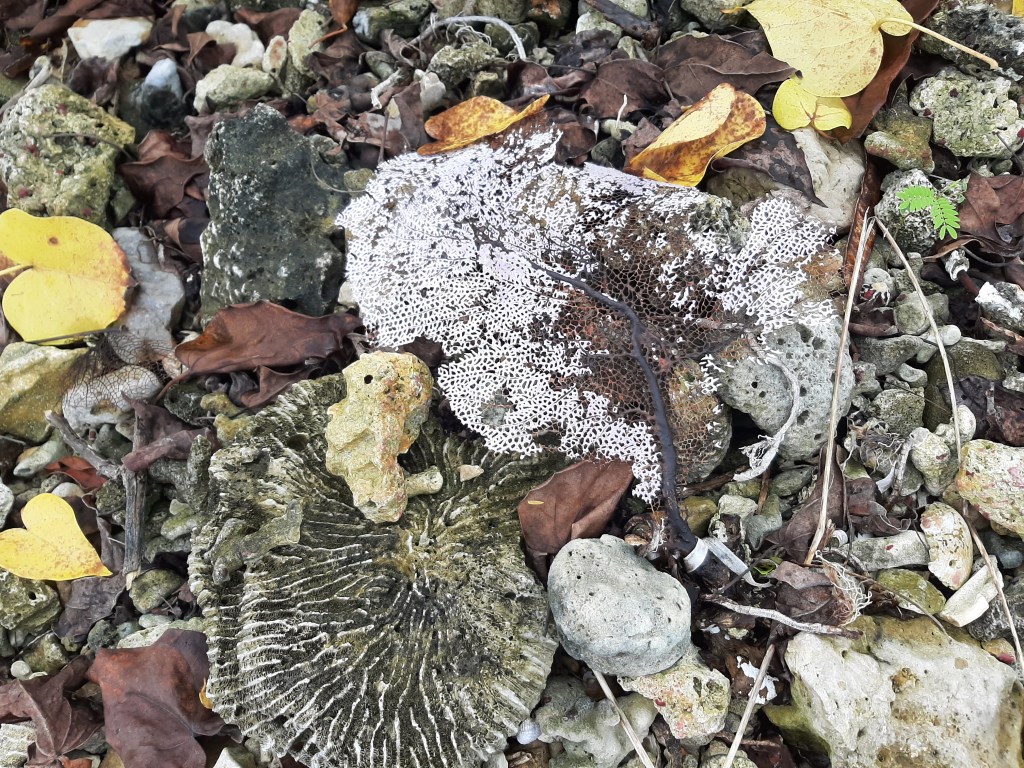
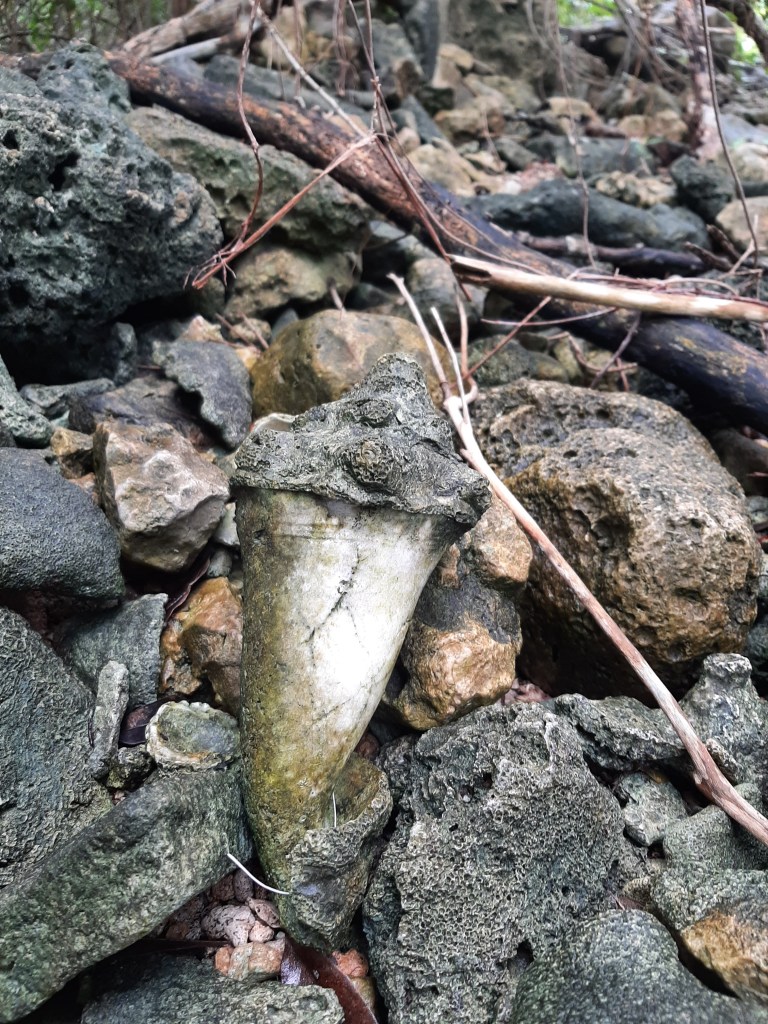
Washed up corals and hermit crabs.
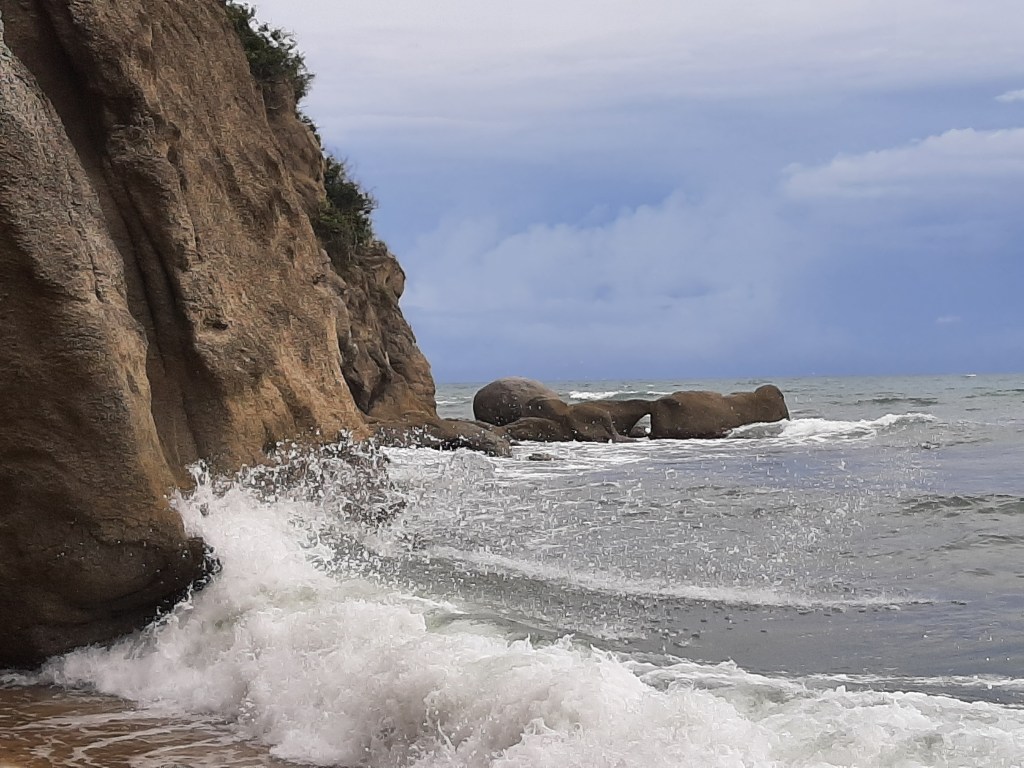
High tide, Black Sand Beach.
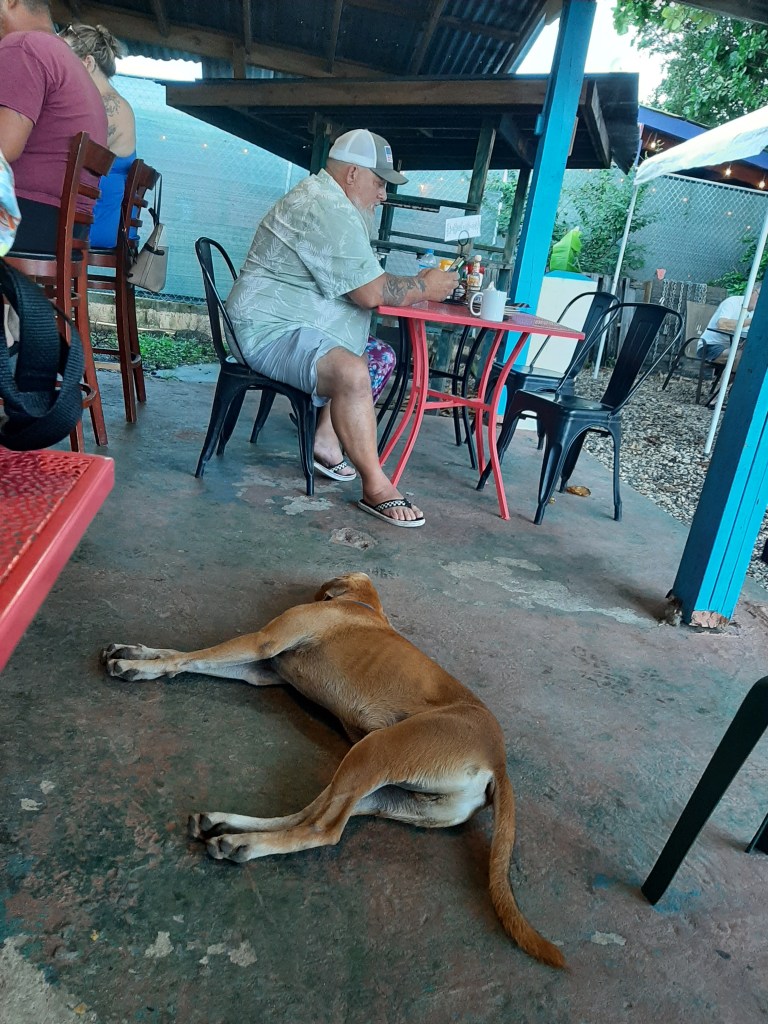
The clientele at our favorite breakfast place in Esperanza on Vieques Island. His name is Scooby. The dog, not the tourist guy.

The birding was good, but tough. Not being the breeding season the birds were not calling. Except the chickens who started about 5:30 AM. No vocalization means waiting for some movement to spot them. In forested areas the vegetation was thick, greatly reducing visibility. We both got over 30 new species for the year. Some were Puerto Rican endemics that were life birds for us. We would not have gotten that many species without the expert help of our guide Alcides Morales…who loves his home, even though he went three months without electricity after hurricane Maria.  

Tuesday, June 18, 2024

We are back home after a ten day trip to Arizona. It was a good trip, mostly focused on birding. We had some time around Tucson and Green Valley but most of the trip was spent in the Portal area. 

Lise and Anita in West Lafayette’s own Triple XXX diner for breakfast before heading to the Indy airport. 

We flew a Boeing aircraft and it looked like they put duct tape on a hatch window. Doesn’t give one warm fuzzy feelings. 

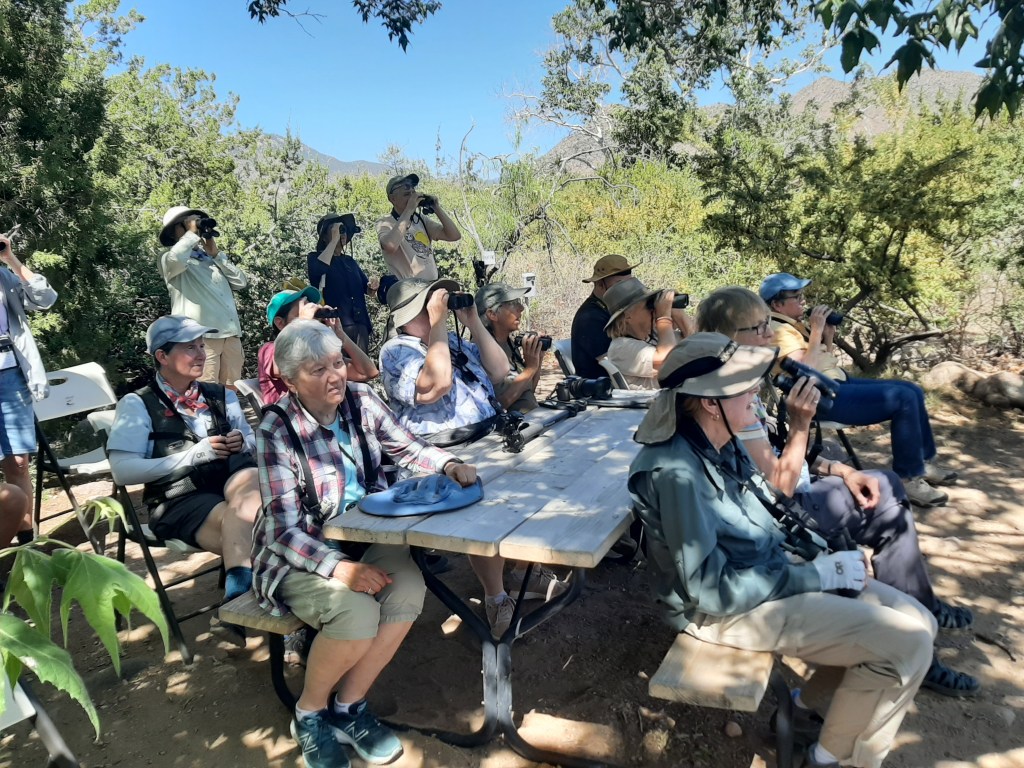
This was a Road Scholar trip. Road Scholar was once called ElderHostel so that should give you a good idea of the clientele. Nothing too strenuous. Not our typical birding excursion but my sister Anita wanted to do the trip so we joined her. There were 17 participants and two guides. Temperatures were on the high side. High as in, hovering around 100+ Fahrenheit every day. One day we were going up to about 8,000 feet and were told it would be 20 degrees cooler. It was cooler but it was still 85 degrees. 

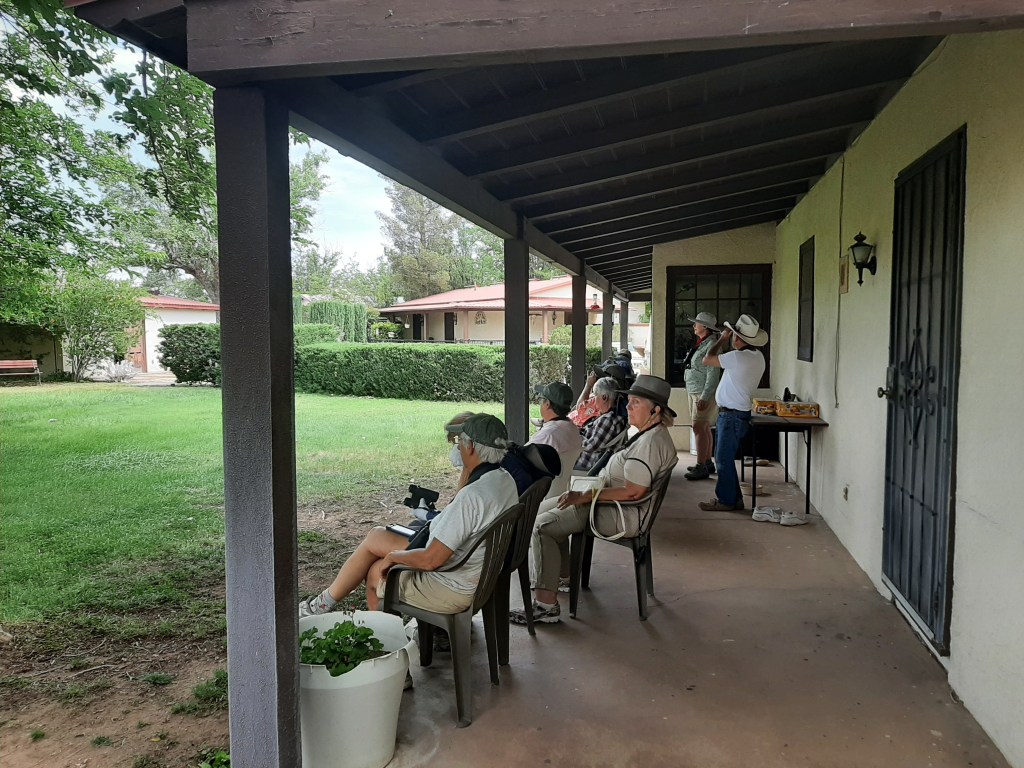
Birding Road Scholar style. Only thing missing is gin and tonics.

Portal is way out in southeastern Arizona, just a couple miles from New Mexico. Think of wide open spaces and a really tough environment. Not everyone would want to live there. The nearest grocery store to Portal is over fifty miles away. God knows how far it is to a Starbucks. On a busy day Portal has a population of around 700 if you include the larger metropolitan area. It’s in the Chiricahua Mountains, at an elevation of about 4,760 feet, right at the mouth of Cave Creek Canyon. Up the canyon a bit is the Southwest Research Stations where I spent a little time in 2012. One of the Portal “neighborhoods” is a dark sky community of about 40 people living on 400 acres. They have no outside night lights and have celestial telescope observatories built in their homes. 

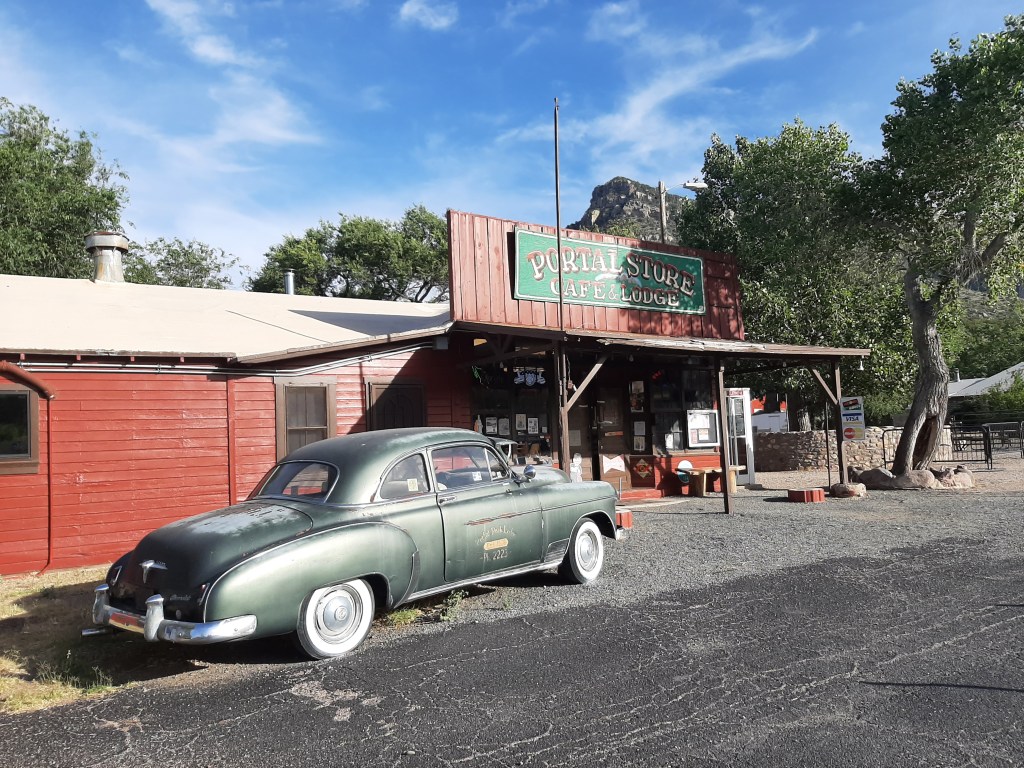
The social center of Portal is the Portal Store, Cafe, and Lodge. Which was our lodging while we were there. Simple, but quite adequate. While it looks humble, they fed well and did a great job of catering to a variety of dietary restrictions. Portal residents would drift in and out for a meal or drink. There was usually someone working on a car. I’m guessing the lodge had the only pair of jack stands in Portal. Mostly though, it was birders staying there. 

The Portal Cafe and Lodge

Portal is a birding mecca. There are a number of eBird birding hotspots in the Portal area including Bob Rodriguez’s yard (Dave Jasper’s old yard) and the Jasper/Moisan feeders. Which is Dave Jasper’s new yard. Both of these yards are world famous birding hotspots. Birding tourism is a major income stream for Portal and numerous other feeder spots are in easy walking distance from the lodge. The locals don’t bat an eye when they see people with binoculars and spotting scopes walking up the street and looking in their yards. 

Bob Rodriguez’s yard. I recognize the table holding a feeder as an old Craftsman table saw.

Our tour also took us to Paradise, AZ, about five miles and a half hour drive from Portal. At the turn of the 20th century, Paradise was a mining boom town with close to a thousand  miners, stores, bars, and a red-light district. The mining lasted only a bit over a decade and the town was eventually  mostly abandoned. Now the permanent population is somewhere under ten residents. But we did get an extremely rare white-eared hummingbird there, compliments of the George Walker House bird feeding station. And they rent rooms to birders. 

We also did a trip to the Slaughter Ranch (San Bernardino Ranch), about 17 miles east of Douglas, AZ. A good nine of those miles are on rough dirt road. It’s named Slaughter Ranch for “Texas John”  Slaughter, a legendary lawman that bought 65,000 acres in the 1880s. Two-thirds of the original ranch was south of the border with Mexico. The ranch buildings are now owned by the Johnson Historical Museum and most of the north of the border acreage is part of the San Bernardino National Wildlife Refuge. And, being right on the border, the border wall runs along the back of the ranch buildings. This part of the wall was built with louvers so the Border Patrol can drive along it and see through it into Mexico. The migrants have figured out that a motorcycle tire can be jammed into the louver. Then you stand on that tire and jam another one on top of it. You stand on the second tire and jam another one on top of that. Continuing to the top. Essentially we built a couple hundred miles of potential ladders over the border. 

Slaughter Ranch with the see through border wall right behind it.

Birding wise, I would say we had a successful trip. We got around 80 species for the year. Lise and I both got some lifers. Not much time for photography when shuffling people in and out of tour buses, but the birding was good. In addition to birds we saw various insects, reptiles, and mammals that can live in a harsh environment. 

Birds and other critters. 

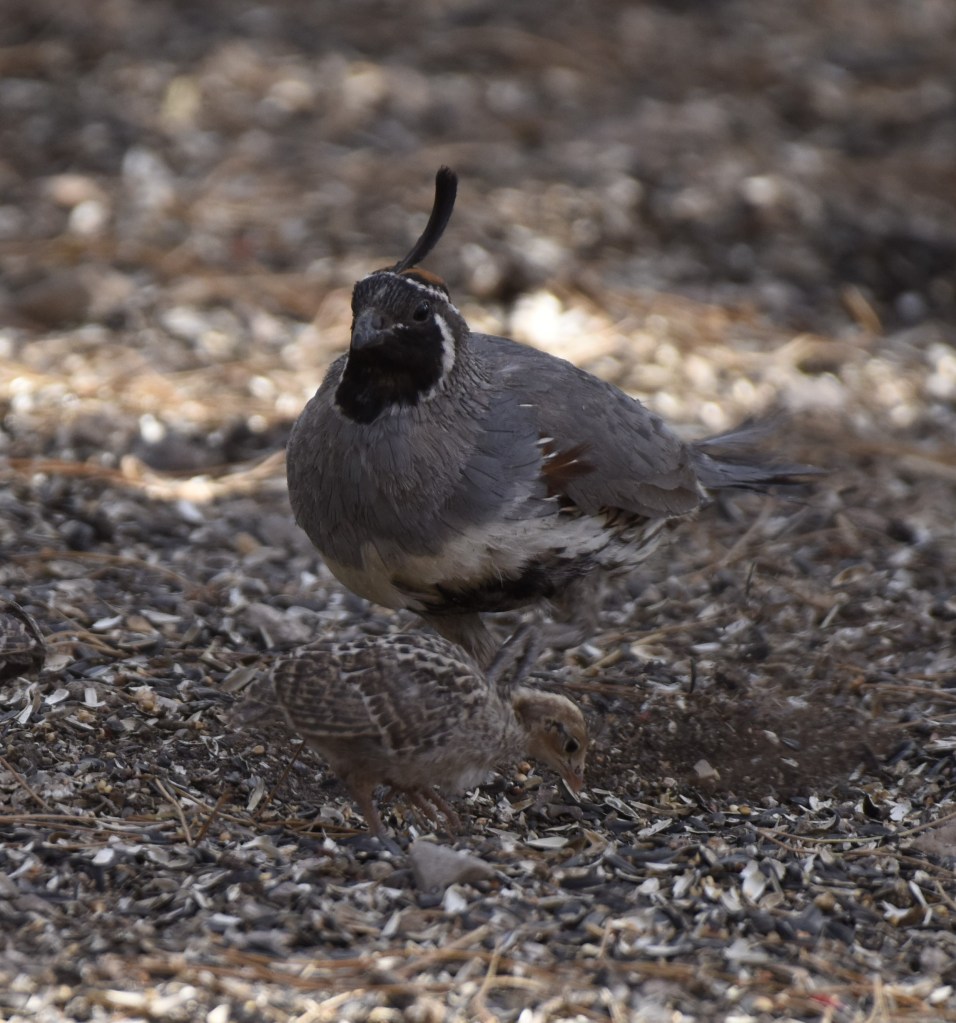
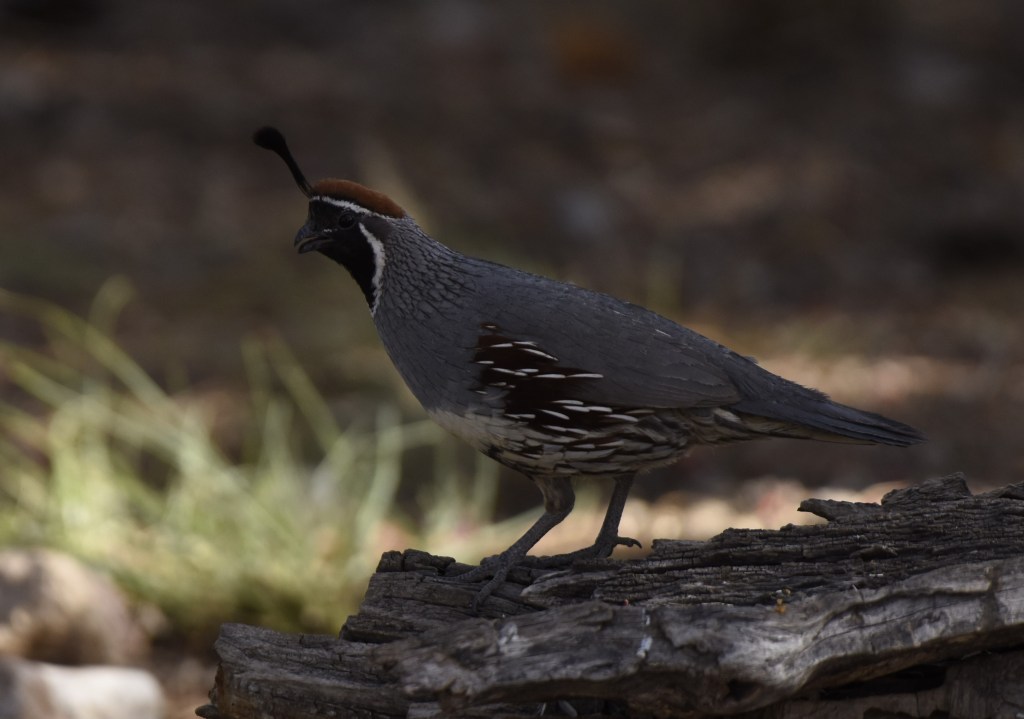
Gambel’s quail

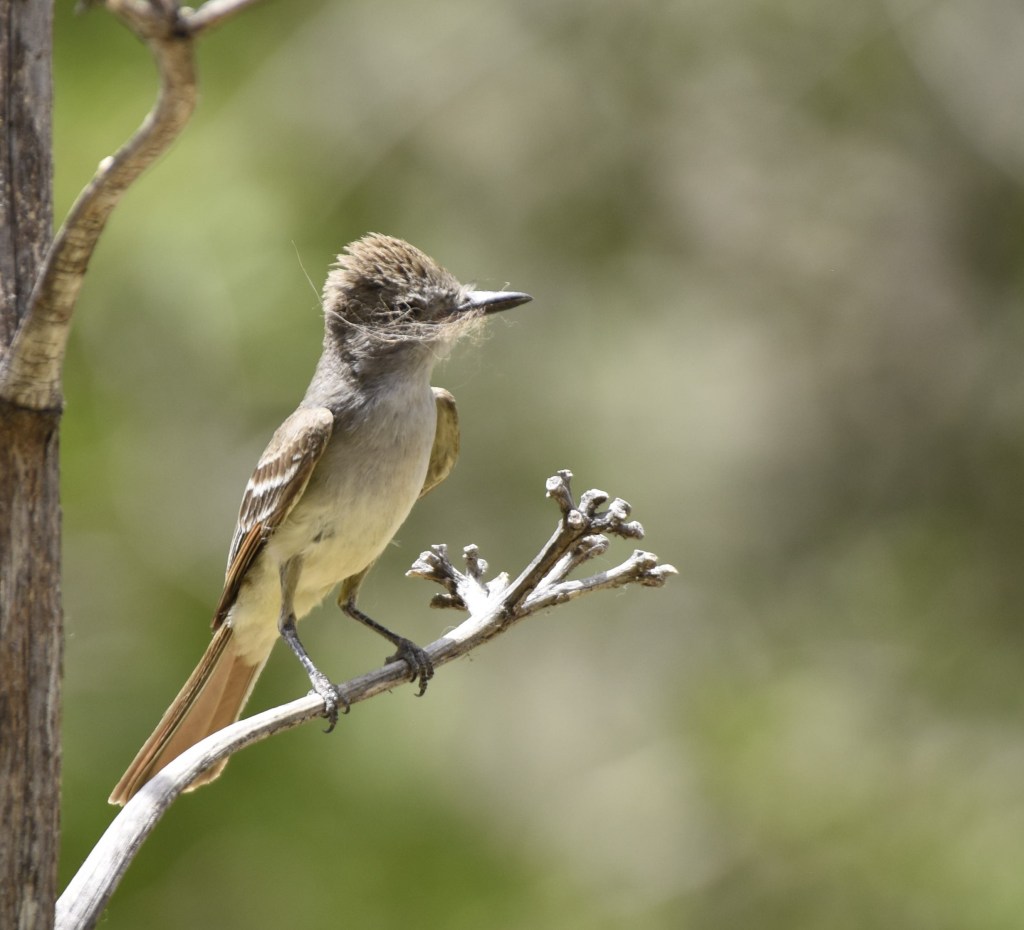
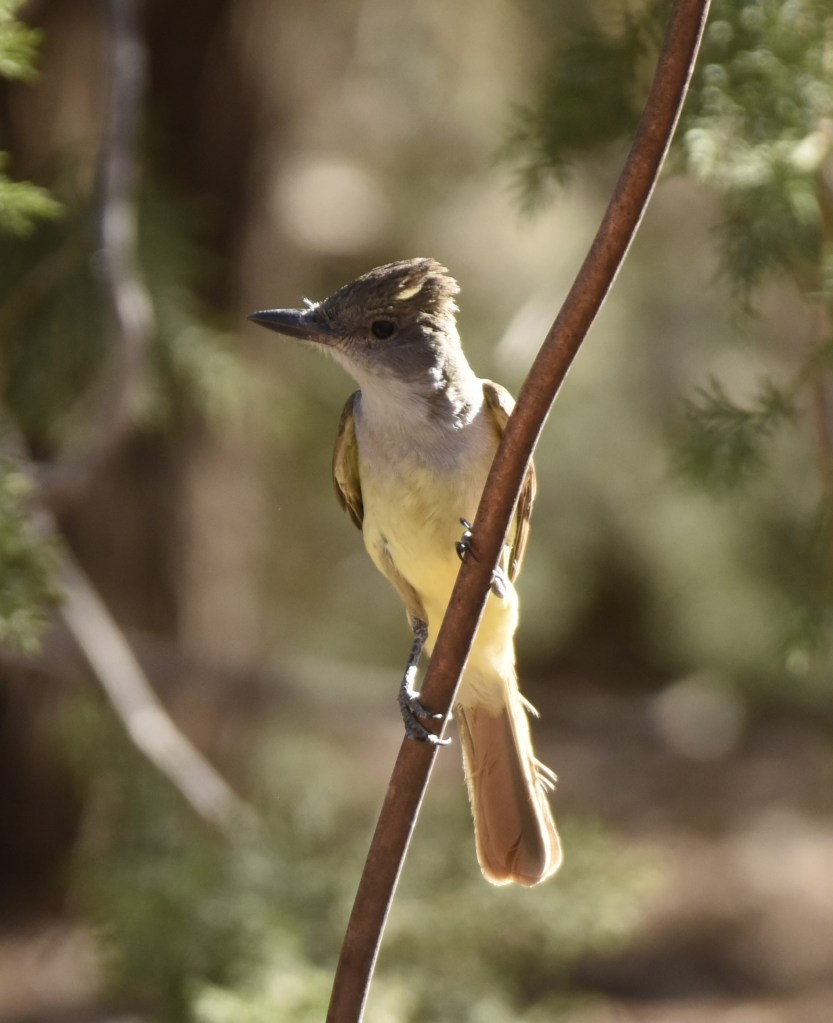
One of the flycatchers

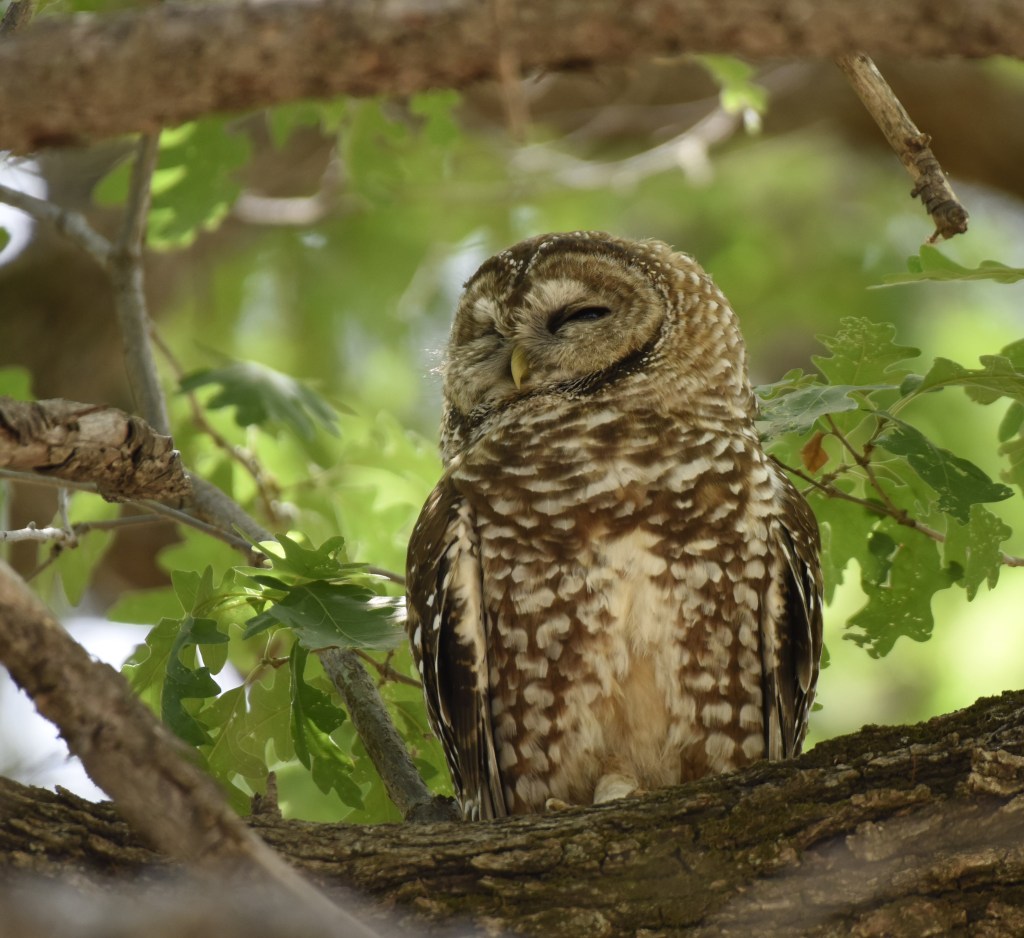
Mexican spotted owl

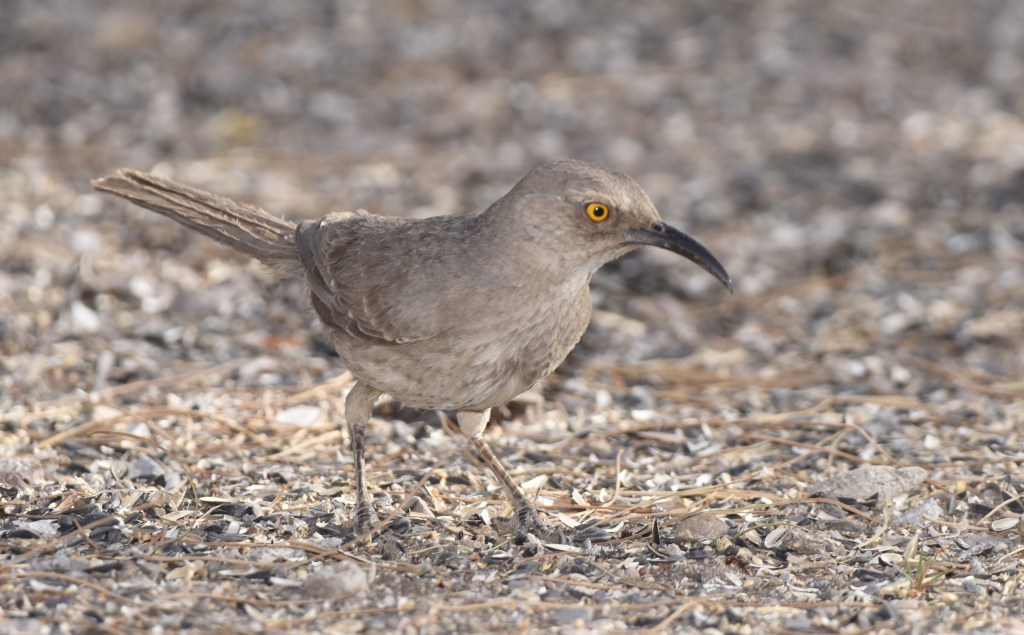
Curve-billed thrasher

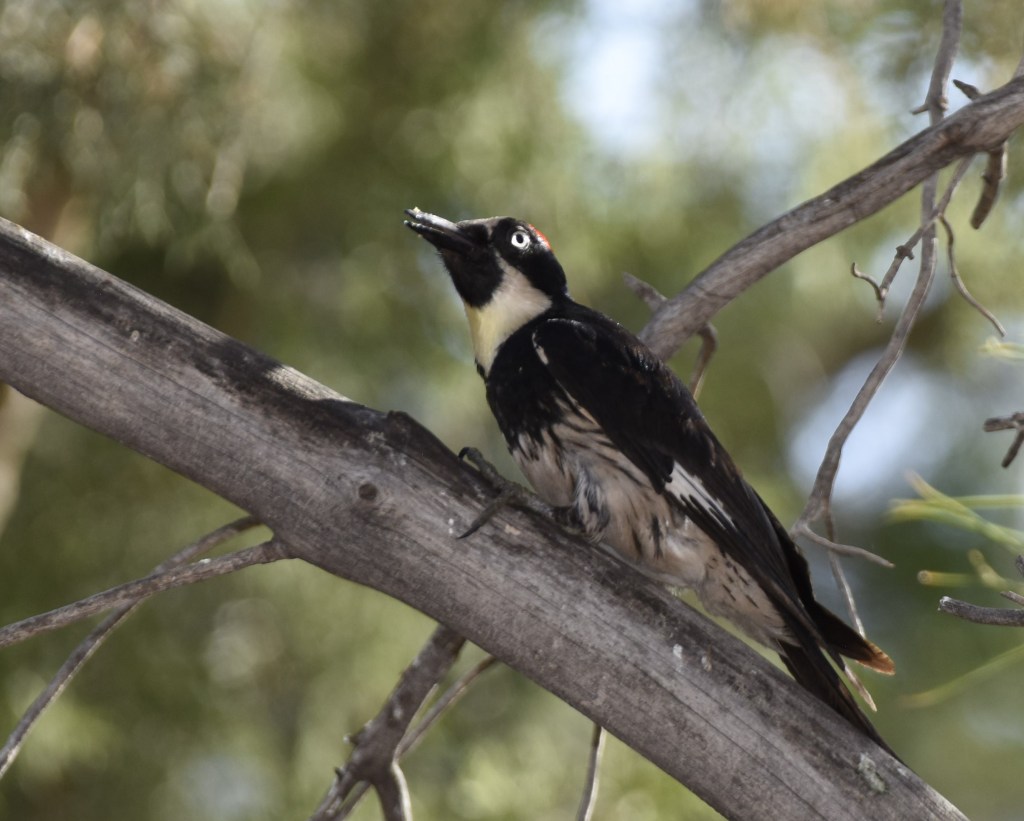
The ubiquitous acorn woodpecker.

Desert firetail damselfly

Familiar bluet.

Some kind of lizard, out looking for a babe.

Some kind of chipmunk or ground squirrel.

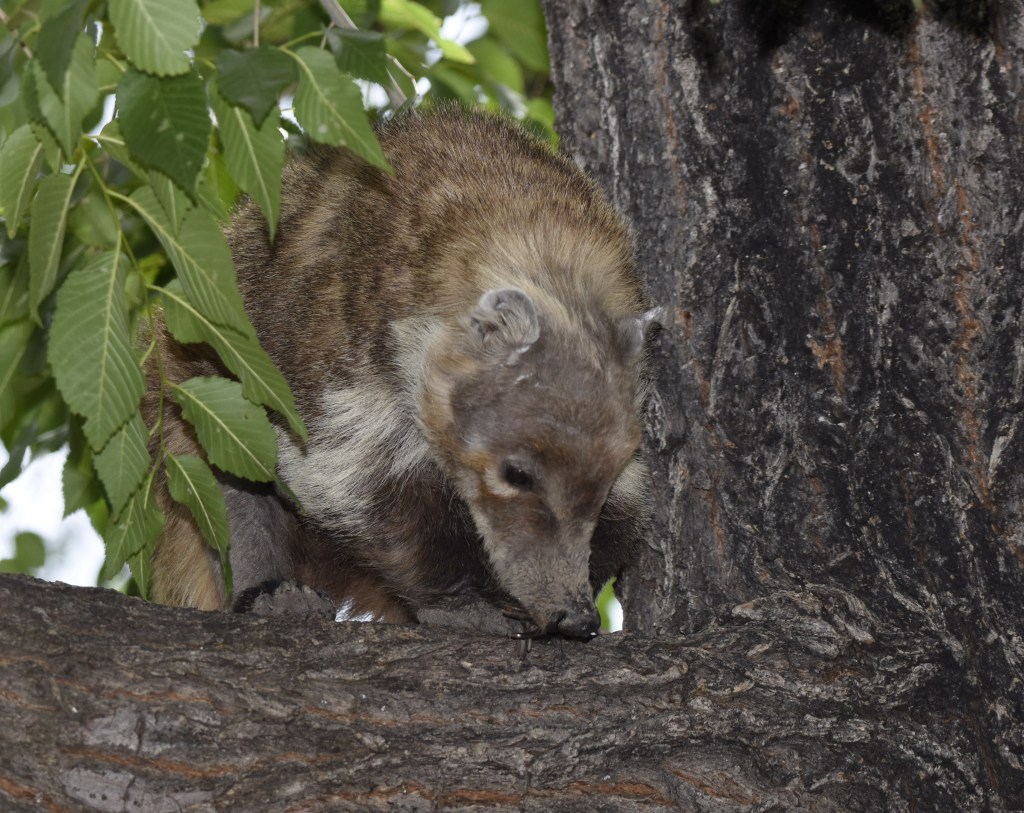
Coati. These guys got some mean looking claws and an attitude. You don’t want to try petting one.

And we got some time in very different terrain than here in Indiana. Living east of the Mississippi one can get spoiled. You’re rarely far from a gas station or a good cup of dark roast coffee. It’s hard to comprehend the open spaces and the tough environment of a place like Portal. No Starbucks on every corner. It takes a special kind of person to live in a place like that. Someone with a sense of humor. 

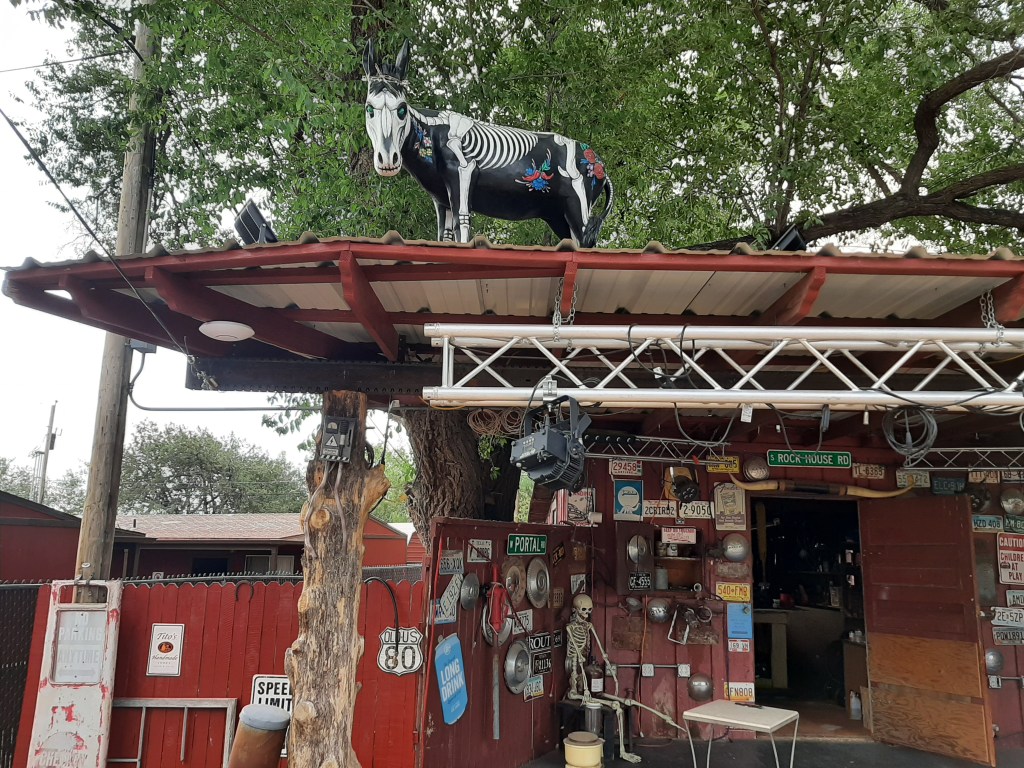
The Minions – lit up at night for your enjoyment.

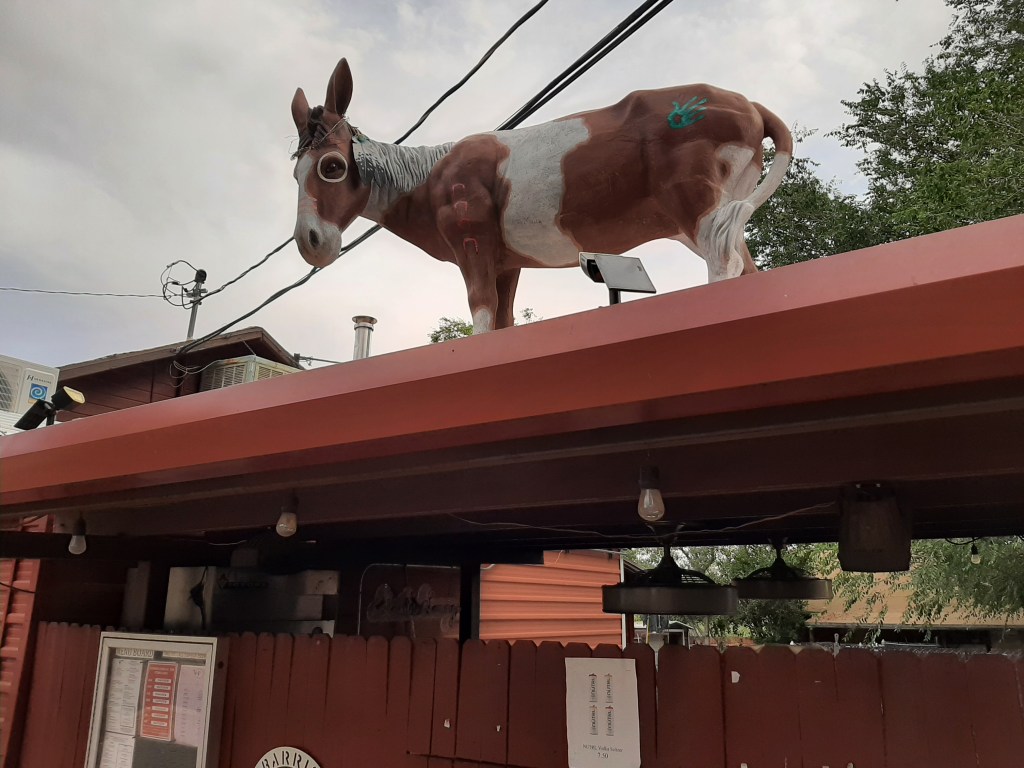
Pony rides. On the way to Slaughter Ranch.

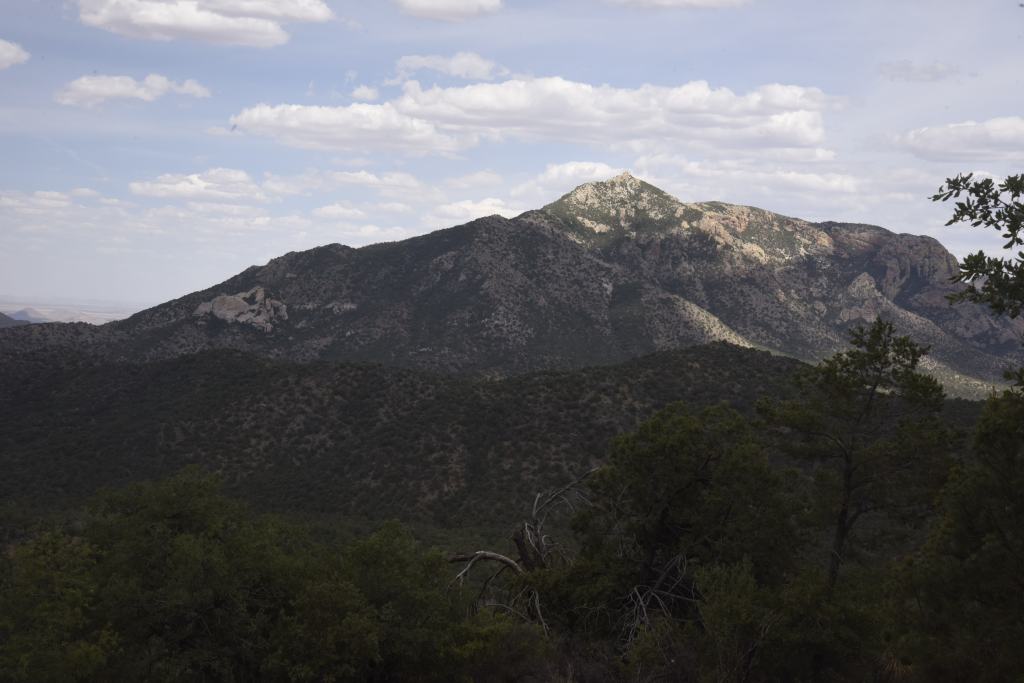
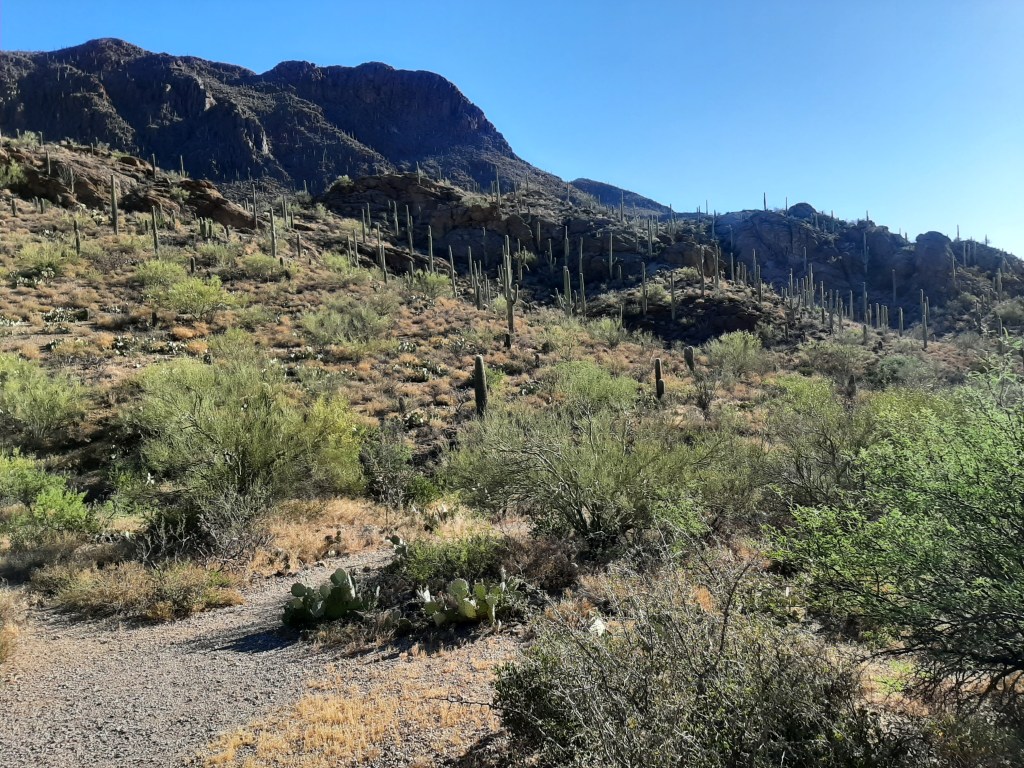
Chiricahua Mountains

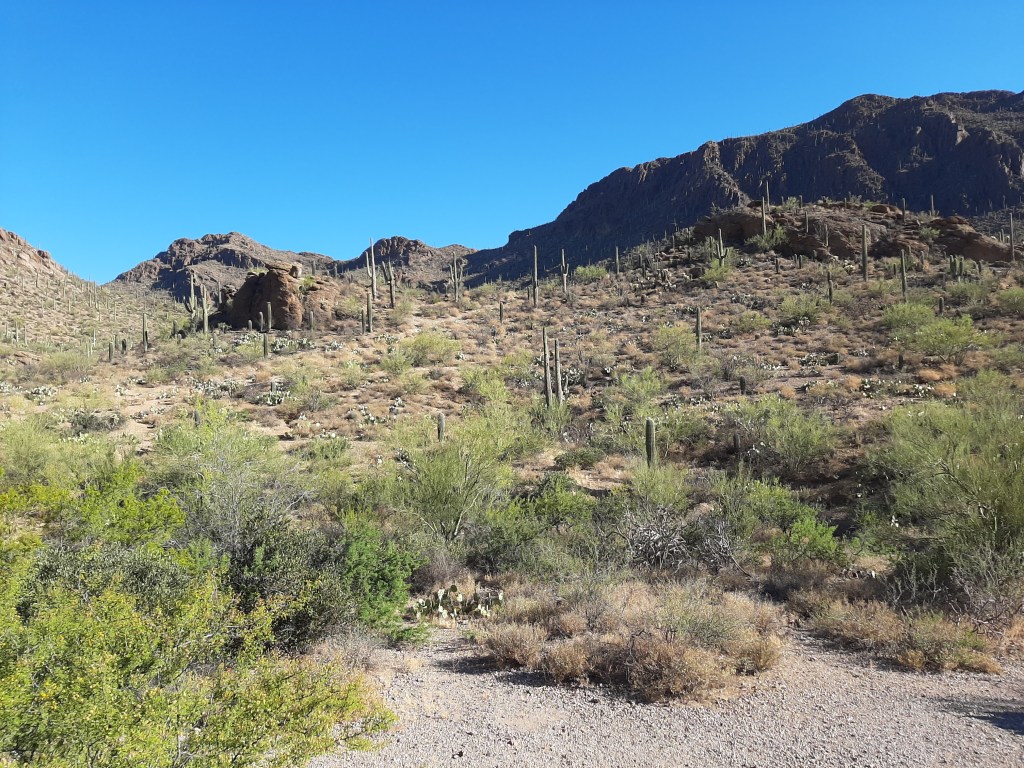
Desert around Tucson

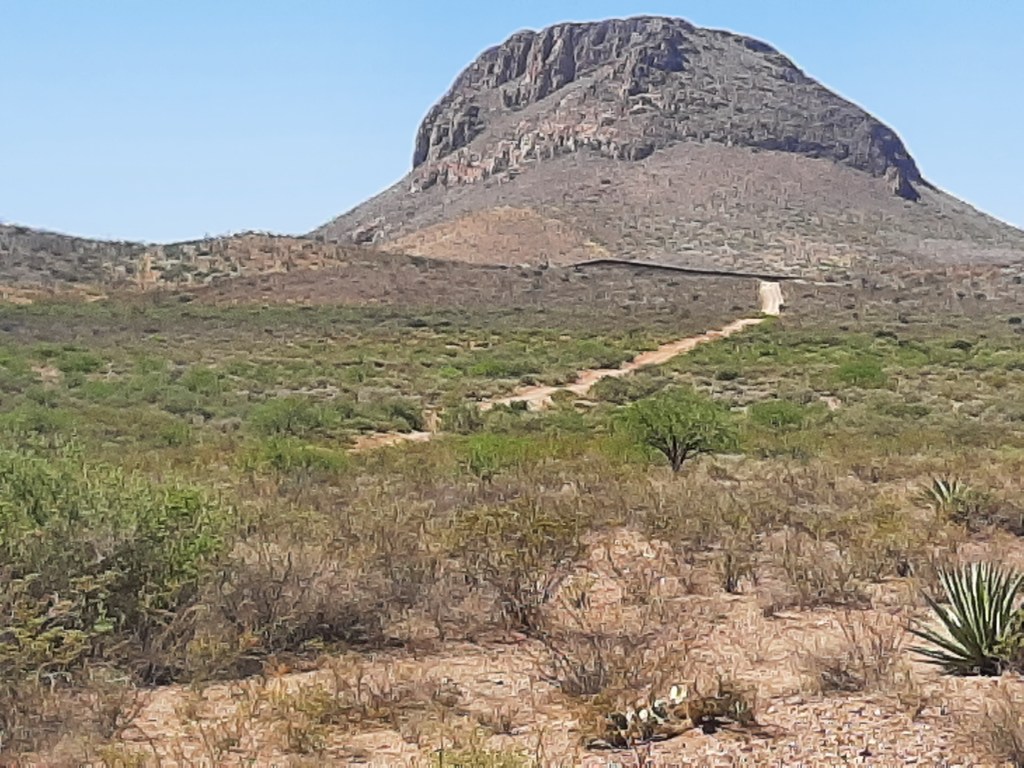
Somewhere out in the desert.

A cactus I liked.

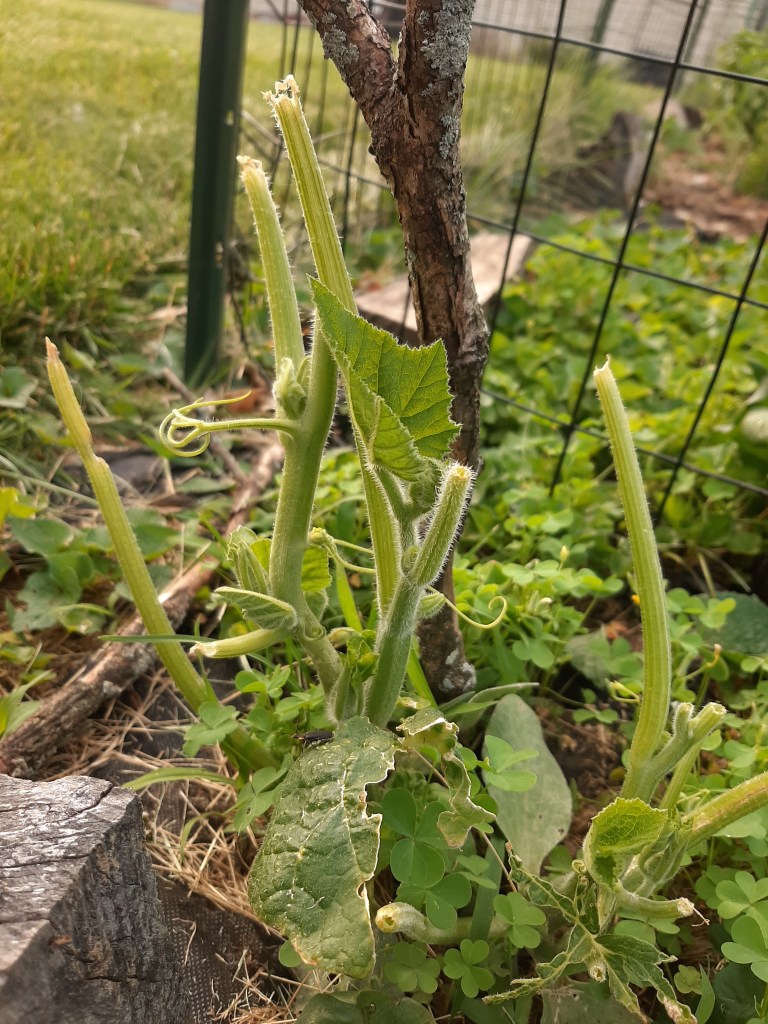
While we were gone the groundhogs residing under my workshop dined quite well. The hostas by my workshop were nibbled into leafless stalks. Some garden plants were munched into non-existence. There was a hole where a pumpkin plant once resided. I sprayed the plants with a varmint repellant before we left. Apparently it served as Cajun seasoning to the groundhogs. Might be time to get serious on these guys.

Munched on pumpkin plants.

Hosta stalks.

In the weird wonders of wildlife category – a brown booby has shown up in a southern Indiana State Park pond. Brown boobies are tropical seabirds. Not sure how the pond at Spring Mill State Park could be mistaken for the Atlantic Ocean but I guess anything is possible. It seems quite happy there too. No sharks, salt free, and lots of bluegills easy to catch. Maybe that’s better than fighting tropical storms. Needless to say, birders and non-birders alike were flocking to see it.

Brown booby at Spring Mill State Park.

Widow skimmer at Spring Mill State Park.

Eastern pondhawk at Spring Mill State Park.

Saturday, May 25, 2024

We are now back in West Lafayette after a trip to Delaware. Good birding, some hiking and kayaking, a little photography and some great eating. This trip was mostly play time. Usually I program in maintenance time on the trailer. Not this trip. It was pretty much just go go go. 

While in Delaware a friend from Bloomington visited for a couple days. Always interesting to see a place you’re familiar with through new eyes. When she left we dropped her off at Baltimore-Washington International Airport on our way back to Indiana. Which means I hauled a ten-foot trailer loaded with kayaks and bicycles through the BWI departure area. Not recommended. Almost as much fun as driving it through the Philadelphia city center. 

Coastal Delaware is becoming highly developed. My family has had an association with the Lewes-Rehoboth area for about 50 years and the area has changed significantly in that time. At one time Lewes dried up in the winter. Think tumbleweeds blowing down the street. Now Lewes has a high end tequila bar the town is open all year. While Lewes and Rehoboth themselves aren’t growing, the immediate surrounding area has become a poster child for poor planning. I hate the over-development, but there is still the Delaware Bay, the Atlantic Ocean and miles and miles of coastline, coastal estuaries, and salt marshes. Protected by National Wildlife Refuges, State parks, and other protected areas that keep bringing us back. 

Salt marshes off Oyster Rocks Road, near Lewes, DE

We planned this trip to coincide with the Atlantic Seaboard northbound shorebird migration. Shorebirds migrate up from places south of the equator to arctic nesting areas. Delaware Bay is a key staging area for the migration. The shorebirds time their migration to coincide with the horseshoe crabs coming ashore to lay their eggs. The peak is around the full moon in May. This perfect timing has been happening for many millennia. Shorebird numbers have been declining the past couple decades but on the order of a million shorebirds will lay over in the Delaware Bay during the migration. All hoping to get enough energy from horseshoe crab eggs to make it to the arctic and reproduce. One can only imagine the numbers before human impacts caused their numbers to drop.
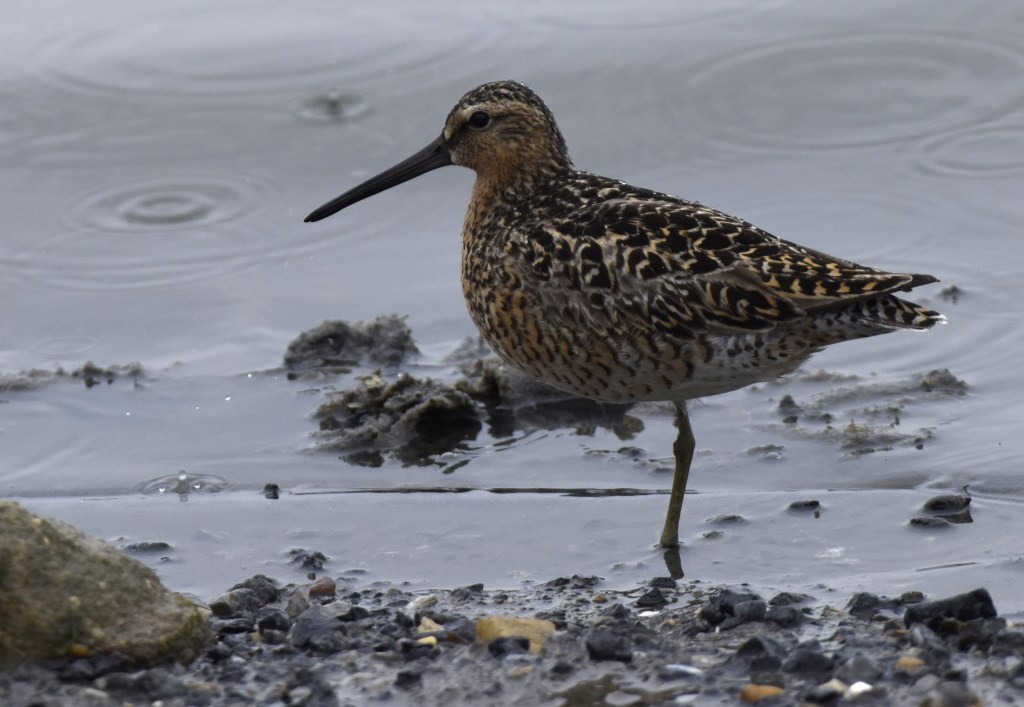
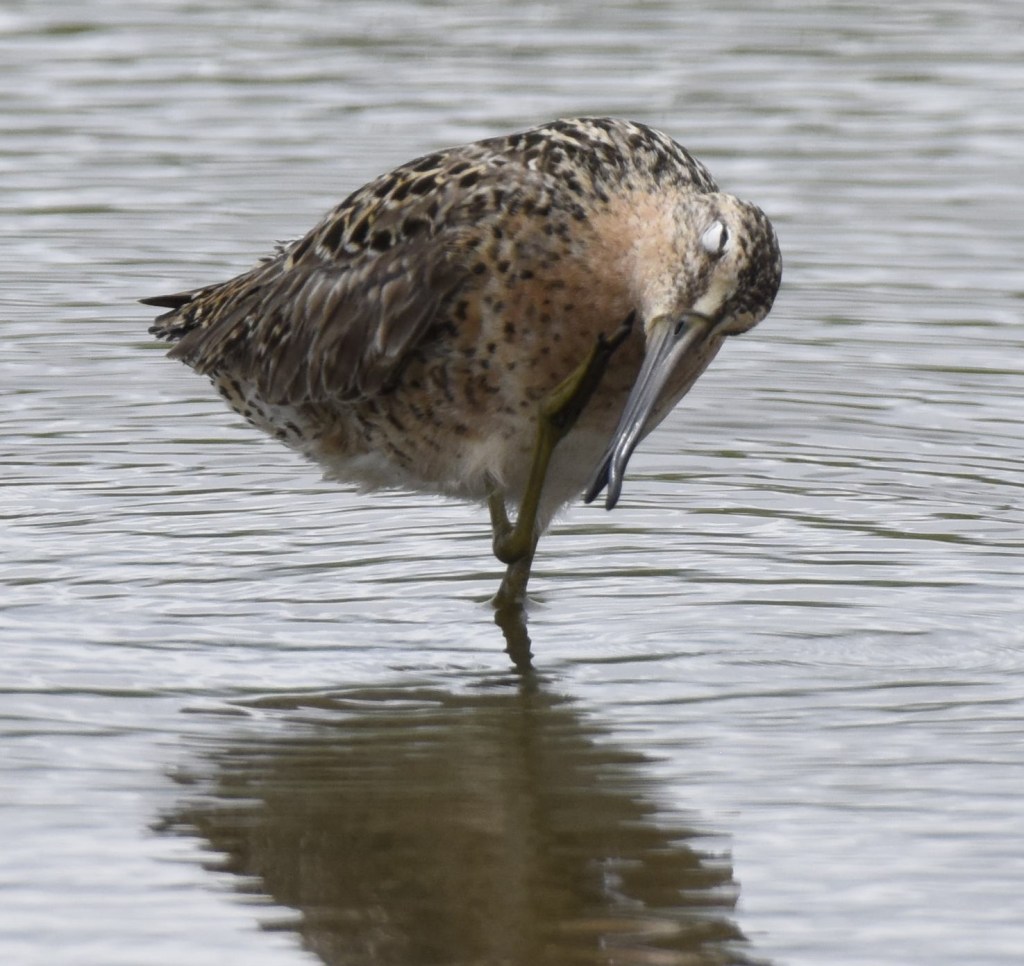
Short-billed dowitcher at Mispillion River Inlet and Oyster Rocks Road.

Ruddy turnstones at Mispillion River Inlet.

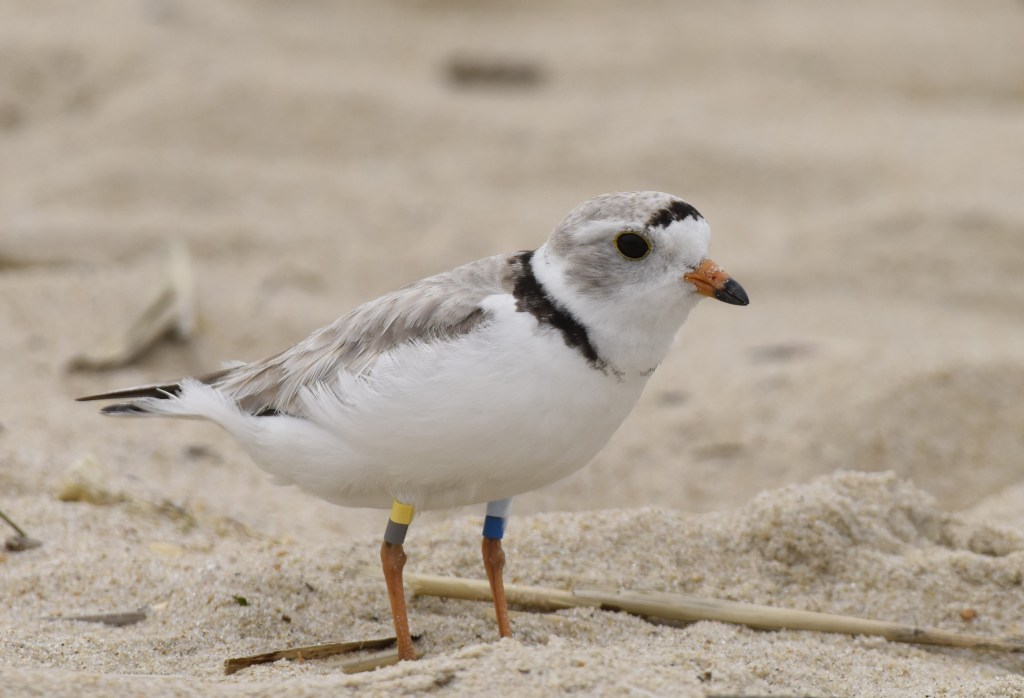
Piping plover (Federally Endangered), at Cape Henlopen State Park.

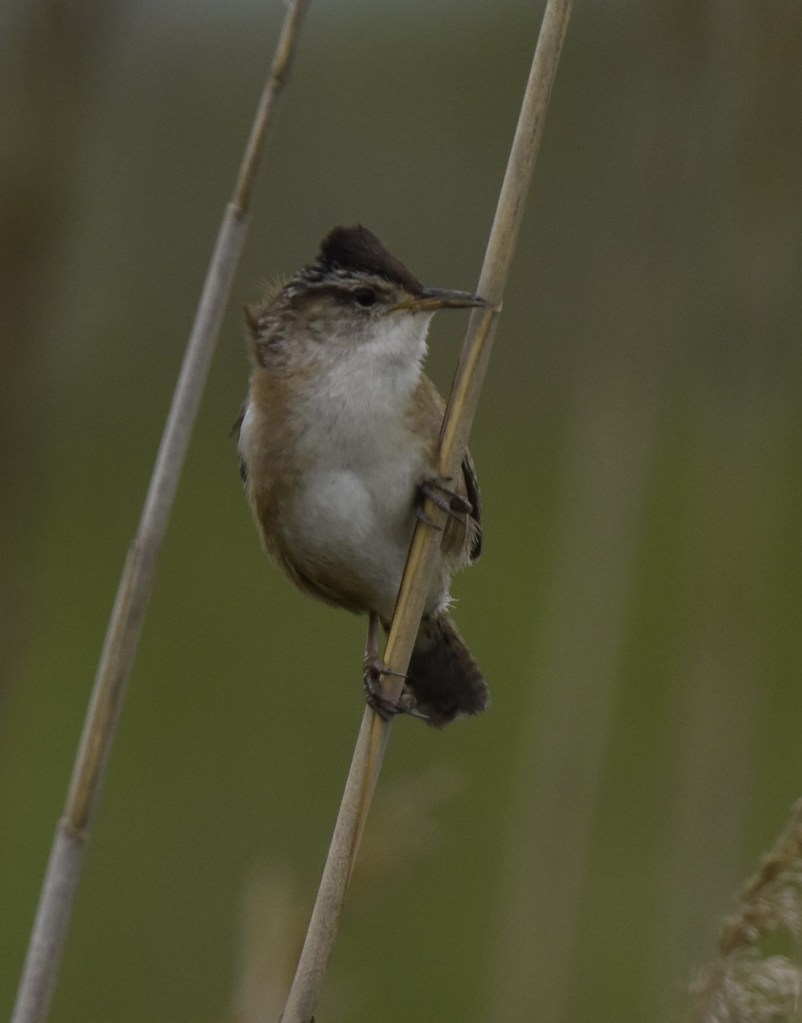
A wind-blown marsh wren, at Bombay Hook National Wildlife Refuge.

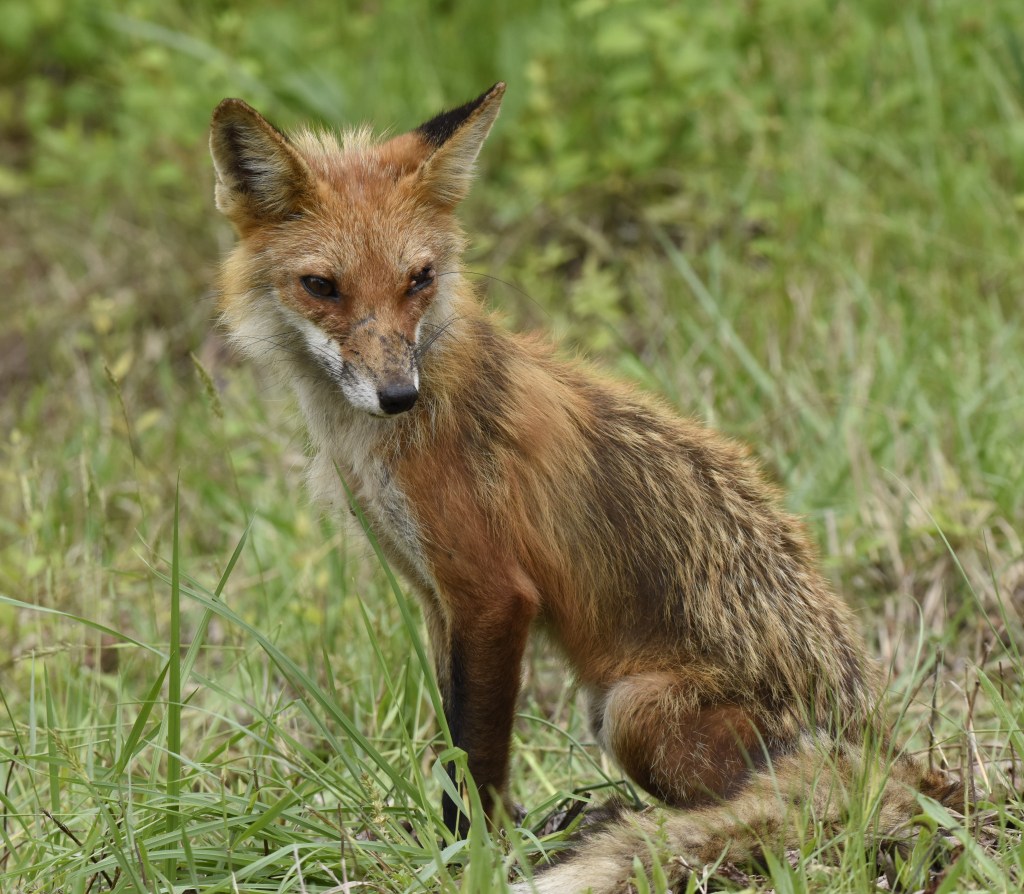
A non-bird red fox at Bombay Hook National Wildlife Refuge.

We did some hiking and kayaking too. We kayaked two places we were familiar with, Fleetwood Pond in Prime Hook National Wildlife Refuge and the Trapp Pond State Park Cypress Swamp Trail. Both places are within an easy drive for a couple million people, but we had them to ourselves. 

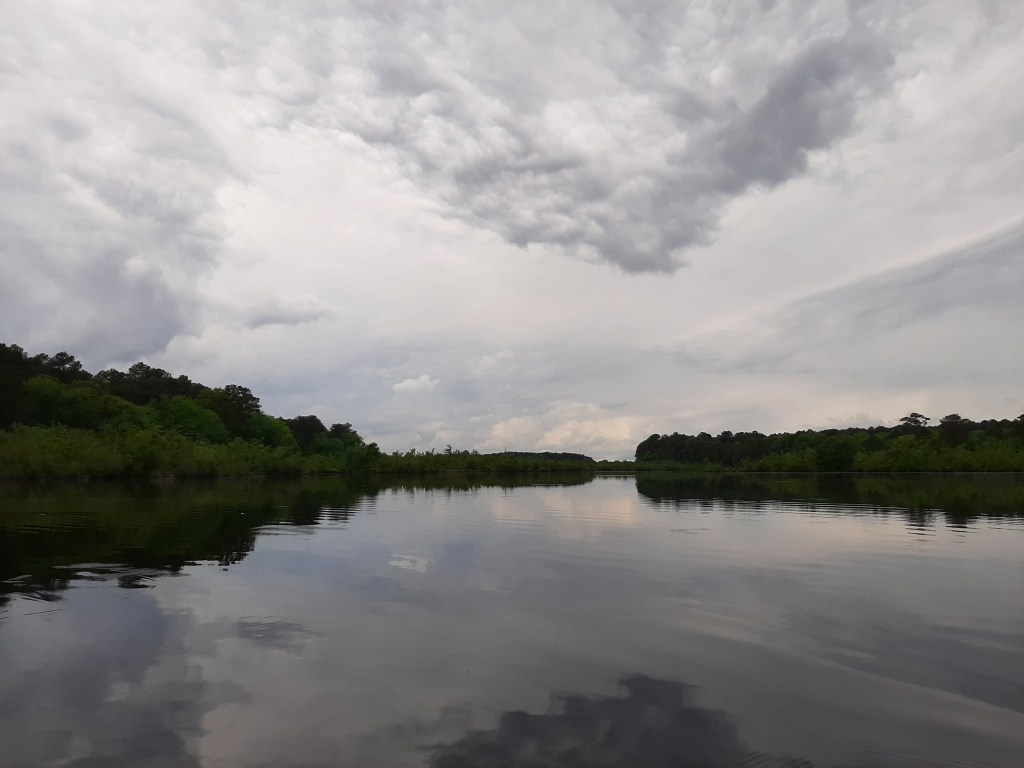
Outrunning a thunderstorm at Fleetwood Pond.

A very friendly black racer (we believe) at Fleetwood Pond.

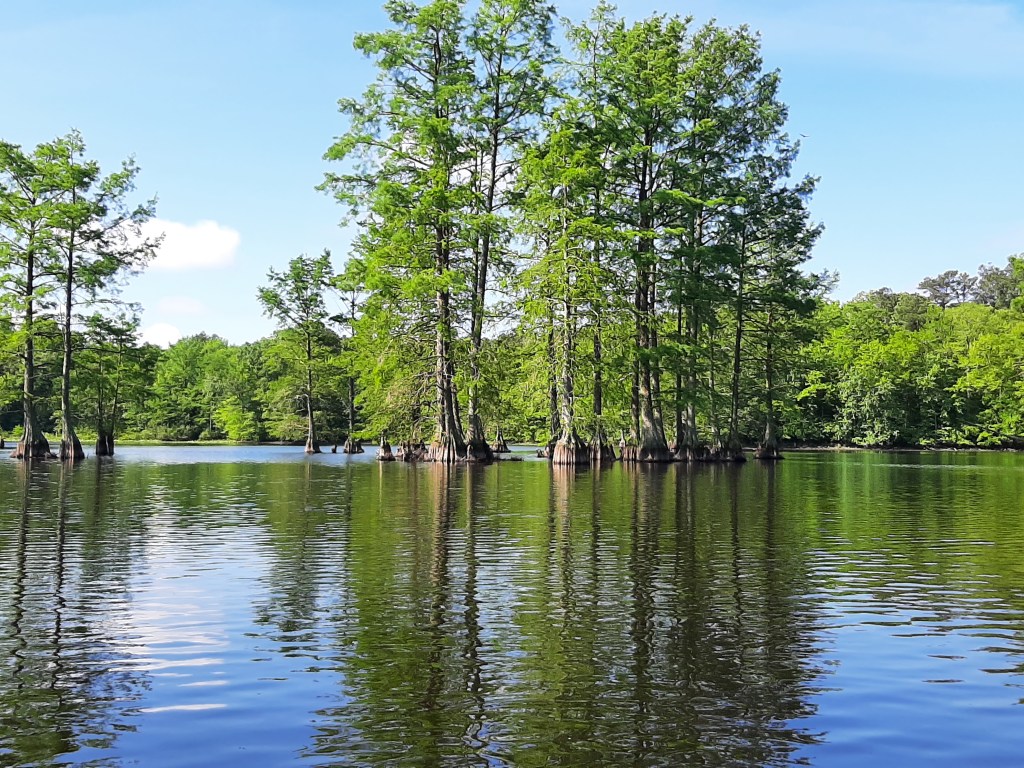
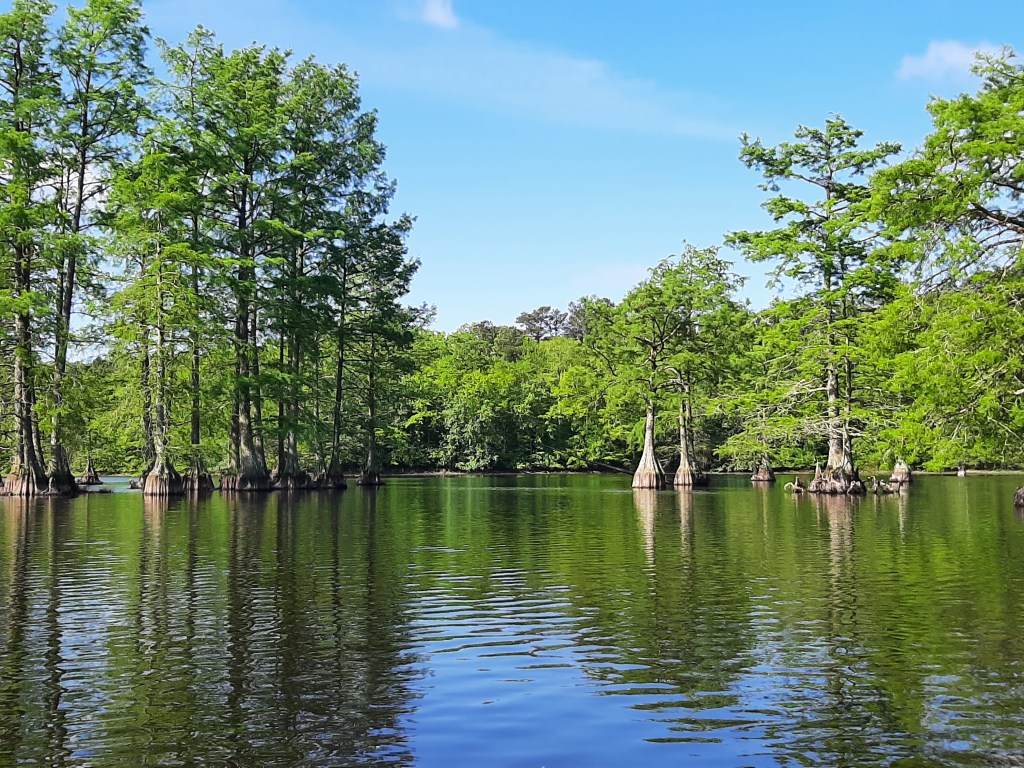
Kayaking the cypress swamp at Trapp Pond State Park. I believe this is the northernmost cypress swamp in North America.

The skeletal remains of a racoon found on a trail in Cape Henlopen State Park. We don’t know what ate it, we just know we don’t want to meet it on the trail.

And we did some great eating. With today’s interstates and refrigerated trucks I’m sure one can get crabs, clams, and oysters reasonably fresh and safe to eat in the Midwest. But I just can’t bring myself to accept that. If you want good shellfish you need to be close to the source. Indiana is not. Even with climate change and ocean rise, Indiana isn’t going to be coastal for a long, long time. Indiana can give you great breaded pork tenderloin sandwiches.They win that one. But sorry, no, I’m not buying oysters and clams in Indiana. 

Fried oysters at The Surfing Crab restaurant. Along with hush puppies and cheesy grits. Kind of a corn squared thing. The restaurant is a small cinder-block building with plain painted walls where you will find the best crabs and fried oysters in Delaware. About five minutes from our trailer.

Slo & Lo BBQ. A weekend only pop-up barbecue place in Lewes. A couple of old retired guys with nothing to do on their weekends except make some of the best barbecue you will eat. About five minutes from our trailer.

It always takes a couple days after a trip to get things back to a semblance of normal. Laundry, back mail, restocking the refrigerator, processing photos, writing blogs. We came home to a yard that looked something like an alfalfa crop.

Time to harvest the crops.

And, it looks like the groundhog war has heated up. A few weeks ago Fat Boy, the resident groundhog, emerged from hibernation under my shop. He has been hanging around for a couple weeks, finding something to eat in the yard or woods behind us. Thus far being pretty benign. During the winter I closed off all the entrances going under my shop except his main one. He seemed fine with that. We went a couple weeks with no new construction going on. I thought maybe we had come to some kind of agreement. He can live peacefully under the shop as long as the tomatoes go unmolested and  no new tunnels appear. I should have known better. We were greeted with three young groundhogs running around. And, either Fat Boy and his progeny, or their rabbit allies, have opened up the tunnels I closed off. This of course means war.