A few weeks ago we did an eight-day trip to Puerto Rico, the Rich Port. We spent several days with Molly and Mitchell, then a few more by ourselves. We stayed a couple days in Old San Juan, a couple days on Vieques Island, and a couple days on the west side of the island.

I like seats where I can make sure the engine is still attached. This is a Boeing aircraft after all. Never know what may fall off.
Puerto Rico is part of the Greater Antilles Archipelago, about a thousand miles southeast of Miami. Way closer to the equator than West Lafayette, IN, and a lot more fun. Especially in November.
Puerto Rico was originally settled by the Taino people. They lived on the island for centuries until Hell came to them in the form of the Spanish. Through diseases, slavery and outright murder, the Spanish colonization essentially obliterated the Taino culture. Apparently there was some interbreeding though. A very large portion of the current population has some Taino genes in them.
Our first couple days were in old San Juan. Old is the operative word. The Spanish founded San Juan in 1521. That’s less than 30 years after Columbus arrived in Hispaniola. For perspective, the Pilgrims landed at Plymouth in 1620. One shopkeeper was lamenting her remodeling problems. Her shop building was over 300 years old, and not designed with electricity or indoor plumbing in mind. Every day provided a new remodeling adventure.
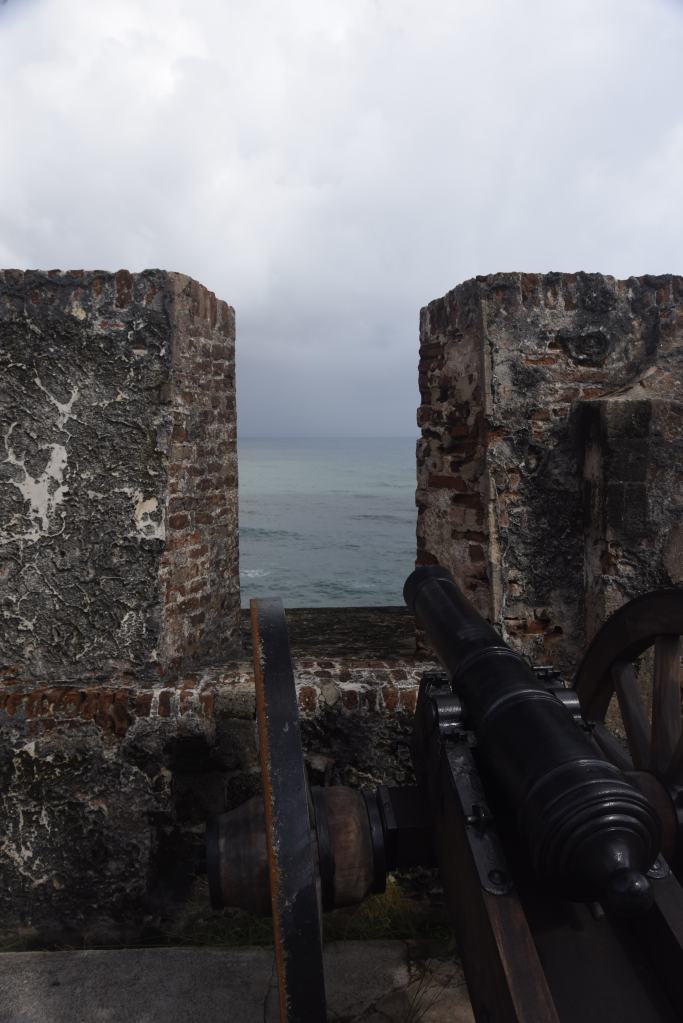


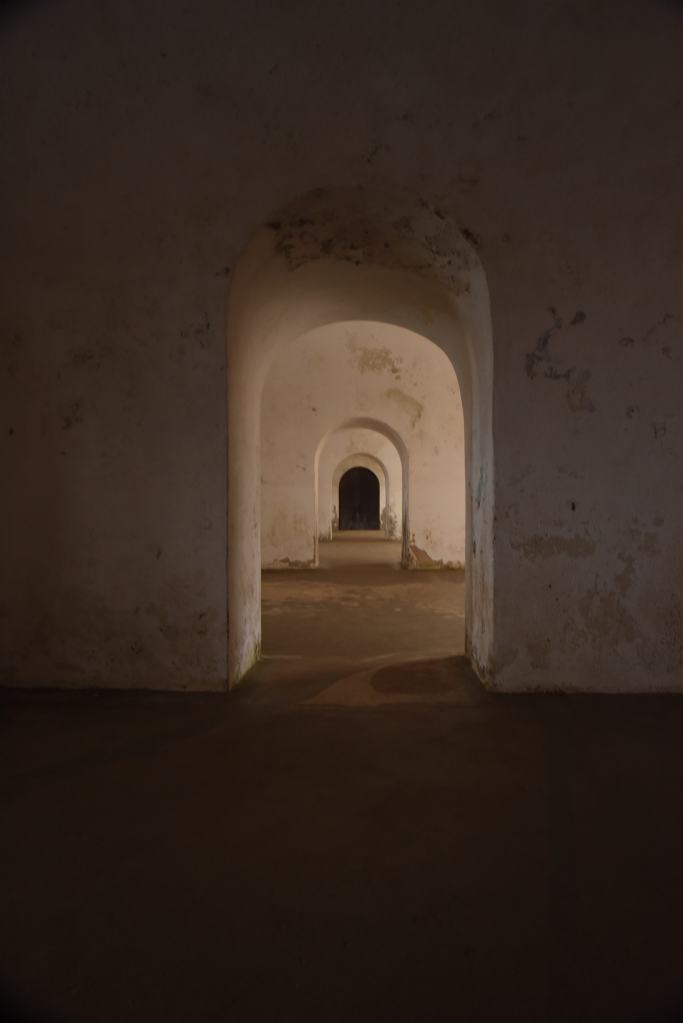

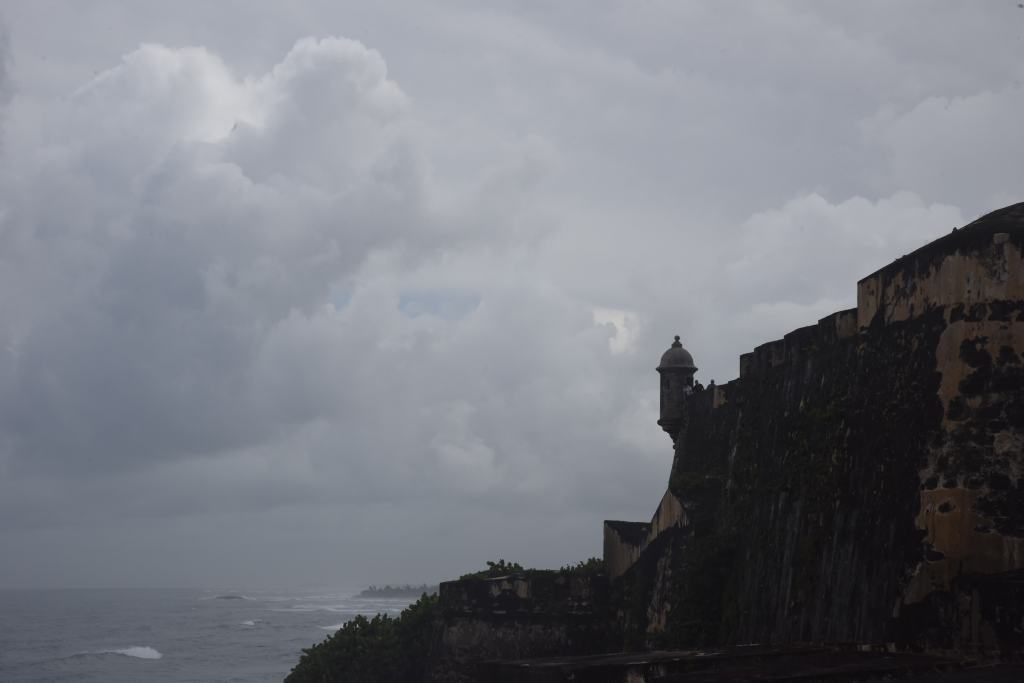

Castillo San Felipe del Morro. The fort built by the Spanish in the 1700s to guard the port. Used by the U.S. until the end of WWII. Wouldn’t it be fun to be in the lookout towers waiting for an English bombardment or the next hurricane?
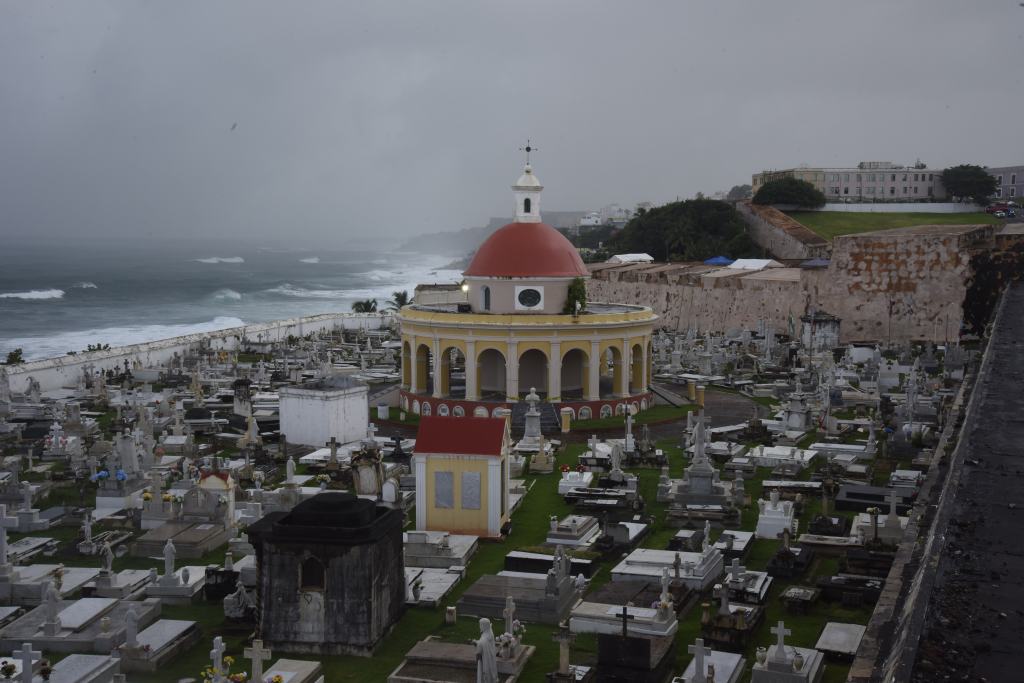
Cementerio Santa María Magdalena de Pazzis, at the base of the fort.
Puerto Rico was a key strategic holding for the Spanish as they colonized the New World. The U.S acquired Puerto Rico as a prize from the Spanish-American War. We acquired other territories at the same time, like Cuba and the Philippines, that have since become independent nations. But, because of its strategic significance, we kept Puerto Rico. So now Puerto Rico is a U.S. territory and its inhabitants are U.S. citizens. Sort of. They don’t get to vote for president and have no voting presence in the U.S. Congress. Kind of like Washington DC residents except that DC residents have to pay federal taxes.
Puerto Rico is hard to describe succinctly. It’s a place of contrasts. Kind of a mixture of the industrial world and the second or third world. It is not a rich place. Over 30% of Puerto Rico’s population lives below the poverty line. Compared to individual U.S.States, Puerto ranks below Mississippi in terms of wealth. That’s low. One would think that Mississippi would support Puerto Rican statehood to elevate Mississippi’s standing in the union.
While not wealthy, their limited access and multi-lane highways are as good as anything on the mainland. Actually better than some U.S. states I have driven in. The one exception is exit sign placement. For some reason the exit number signs are placed after you pass the exit lane. Instead of “Exit 7” the sign should say, “You just missed exit 7”.
Roads off the highways are a different story. Narrow, curvy pothole-filled roads would make West Virginia drivers feel right at home. I will say that everywhere we drove, Puerto Rican drivers were incredibly courteous and forgiving to confused mainlanders. Except for maybe the person that fully stopped in the limited access highway passing lane because they were about to miss their exit. We blew past just as he stopped but could see the cars piling up behind him.
Then there’s the chickens. Chickens were roaming loose almost everywhere we went. They didn’t seem to belong to anyone. It’s not like they had brands or anything. They were a noisy constant presence. Adding to the free roaming fun, Vieques Island had free ranging horses strolling around to compliment the chickens. Not as noisy as the chickens but a lot larger excrement piles.
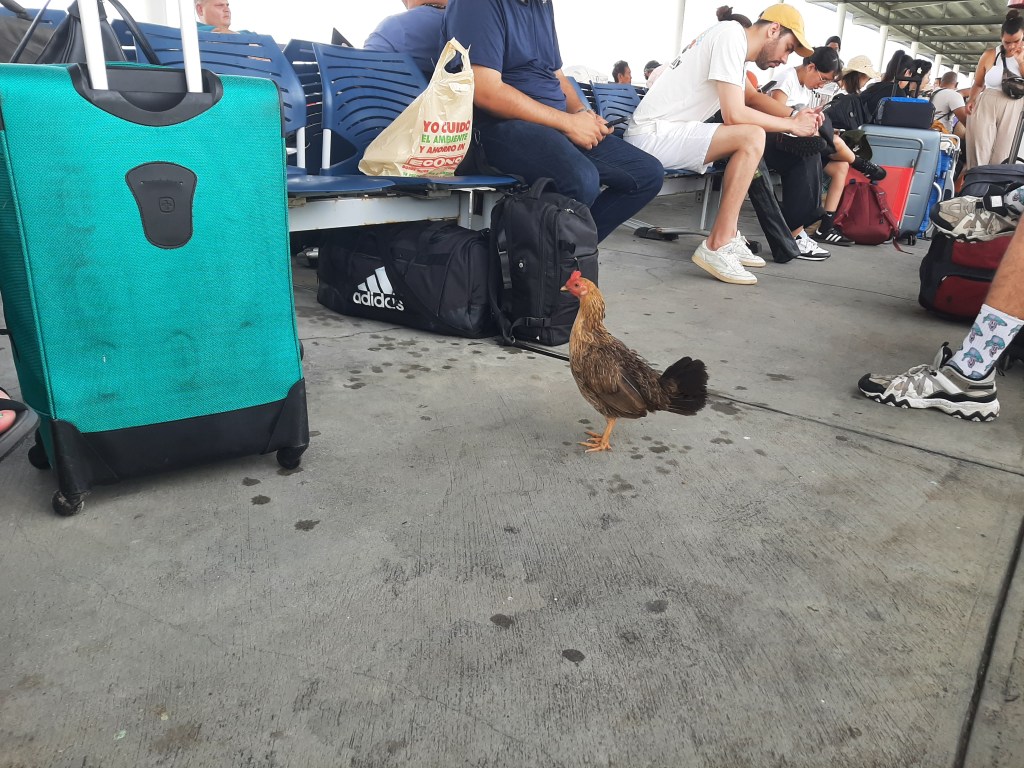

Chickens hanging out.
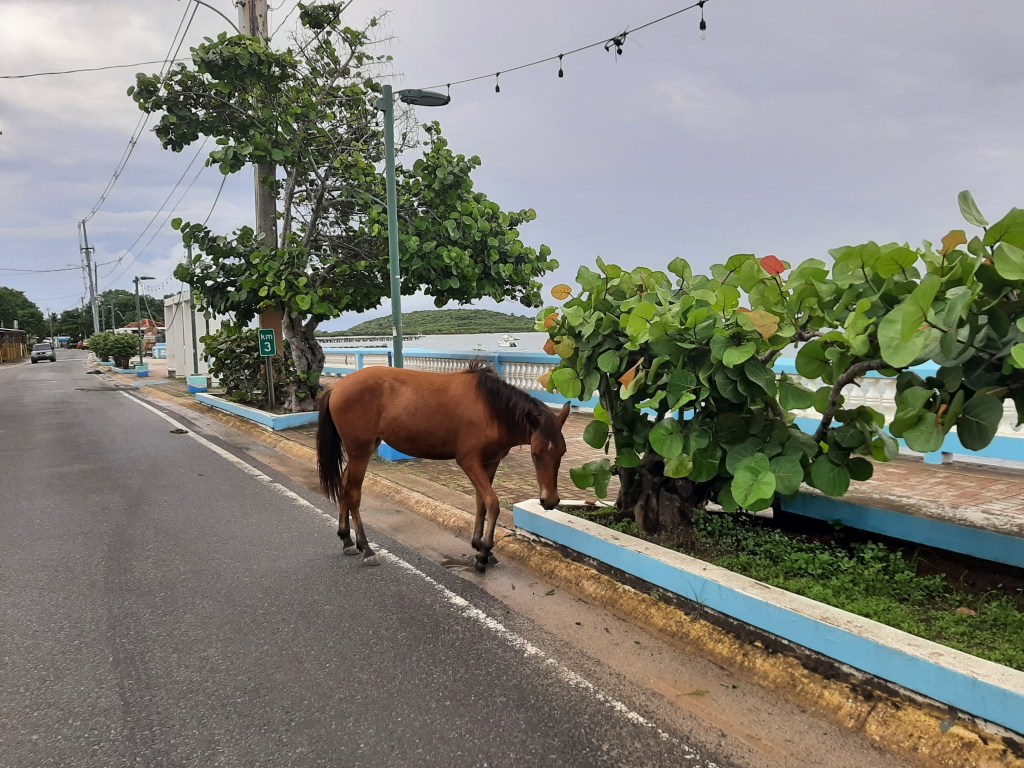

Horses hanging out
Puerto Rico has some systemic problems that are not easily fixed. Like high unemployment. And a failing medical system. Puerto Rican doctors and nurses can hop to the mainland and make a lot more than they do on the island. The island is losing its population. As people leave, there are fewer people to support systems like the medical system. That gives people more reason to leave, creating a downward spiral. But despite the negatives, people we met loved their homeland. And we met a number of ex-pats that love living there. They are there by choice and can’t see living anywhere else.
We had a great time. The food was good, the rum was great, the beaches and natural areas fun, and the weather was tropical. We missed most of hurricane season but we did have rain every day. Temperatures were pleasant enough that the rain was a minor nuisance, not a vacation killer. The only weather disappointment was the cancellation of our bio-bay tour because of lightning.


Enjoying some raw clams and oysters, ankle deep in rainwater at a roadside stand.

Enjoying a beach, Vieques Island.
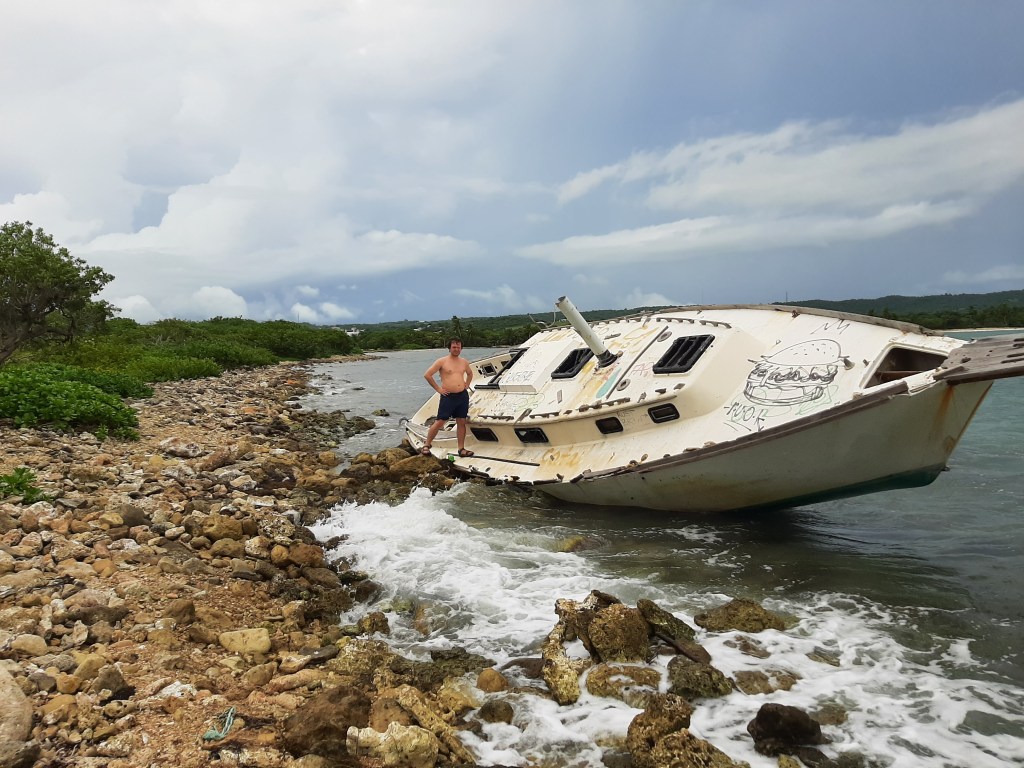
You never know what you’ll find beach-combing.
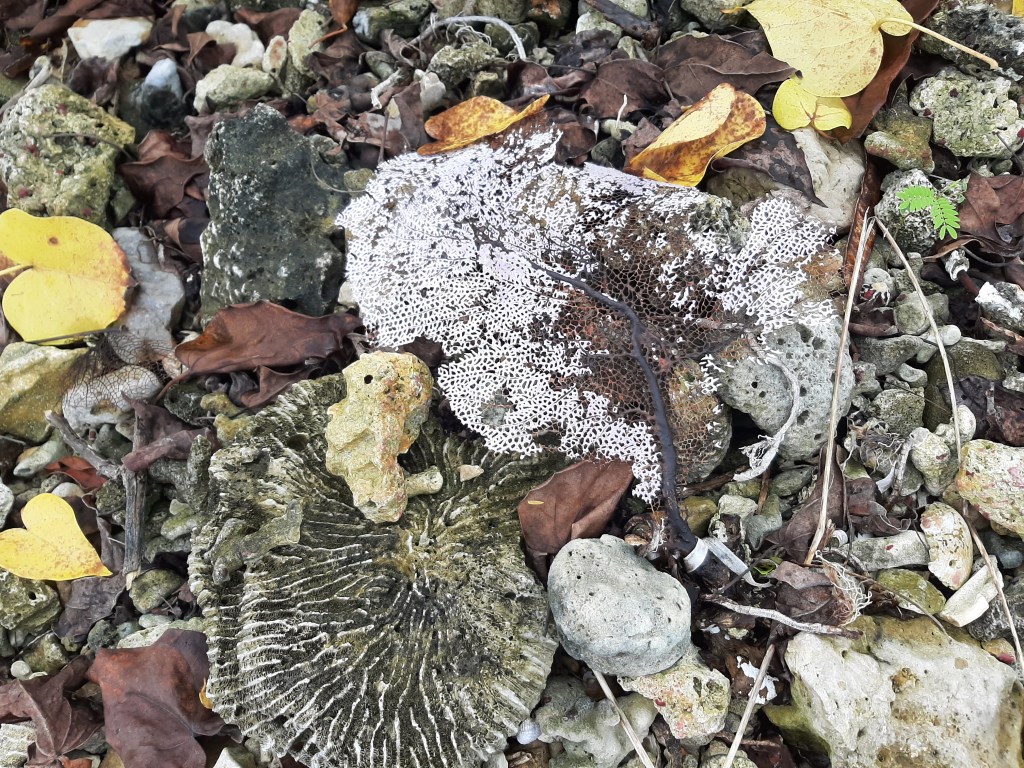
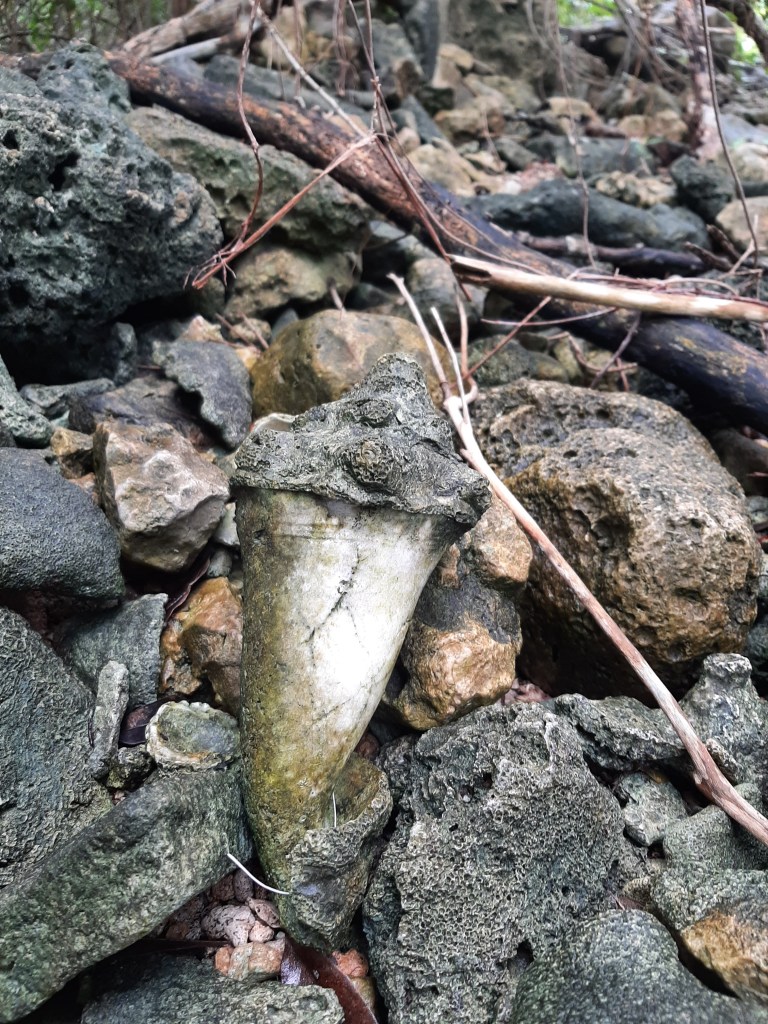


Washed up corals and hermit crabs.
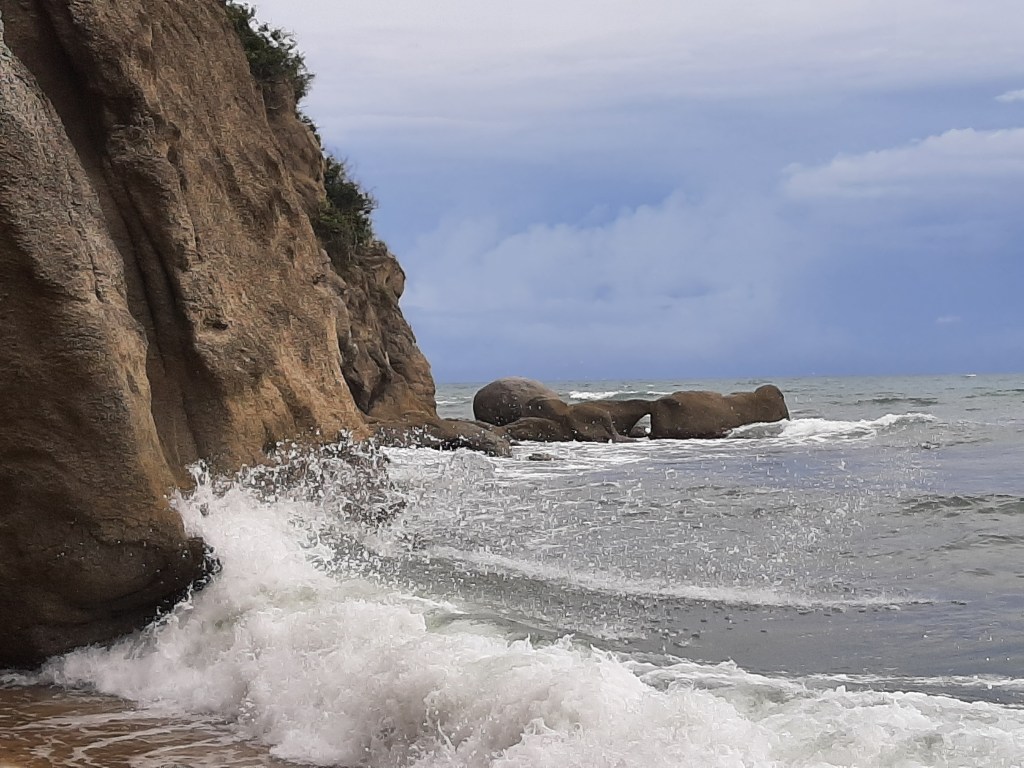
High tide, Black Sand Beach.
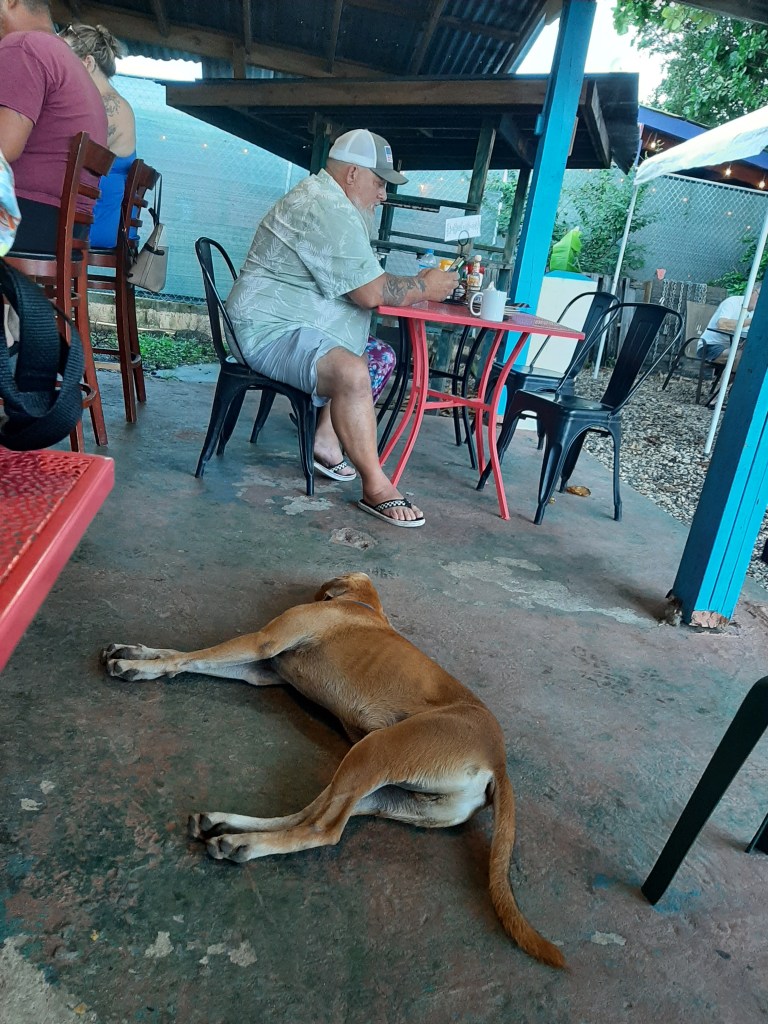
The clientele at our favorite breakfast place in Esperanza on Vieques Island. His name is Scooby. The dog, not the tourist guy.
The birding was good, but tough. Not being the breeding season the birds were not calling. Except the chickens who started about 5:30 AM. No vocalization means waiting for some movement to spot them. In forested areas the vegetation was thick, greatly reducing visibility. We both got over 30 new species for the year. Some were Puerto Rican endemics that were life birds for us. We would not have gotten that many species without the expert help of our guide Alcides Morales…who loves his home, even though he went three months without electricity after hurricane Maria.


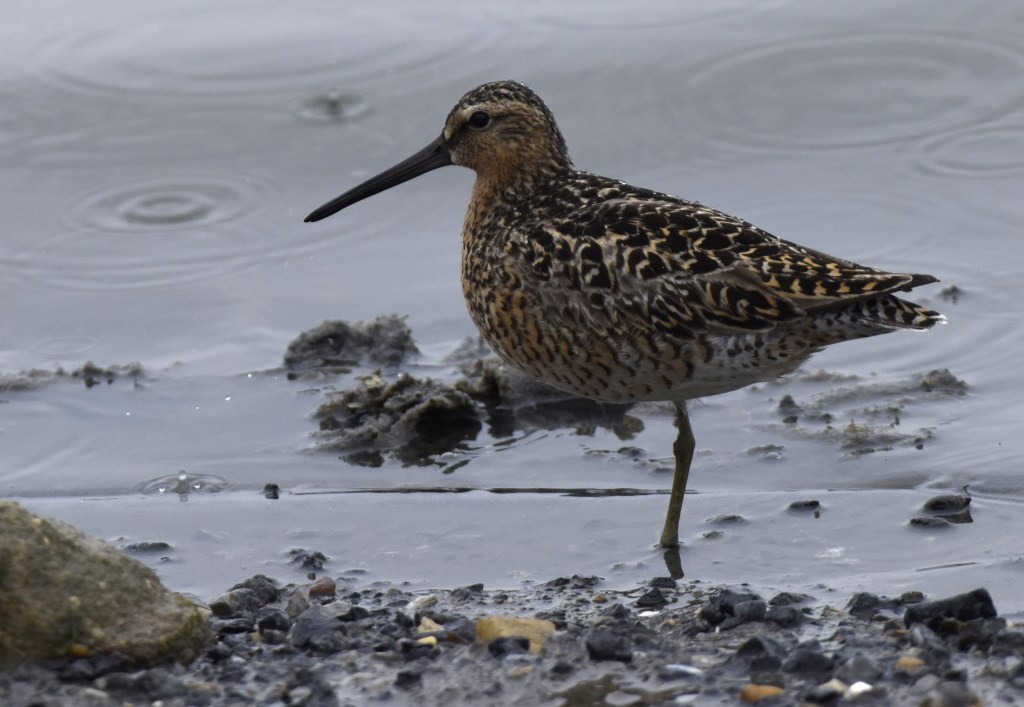






 Ed's and Lise's Biggish Years