Friday, March 27, 2020

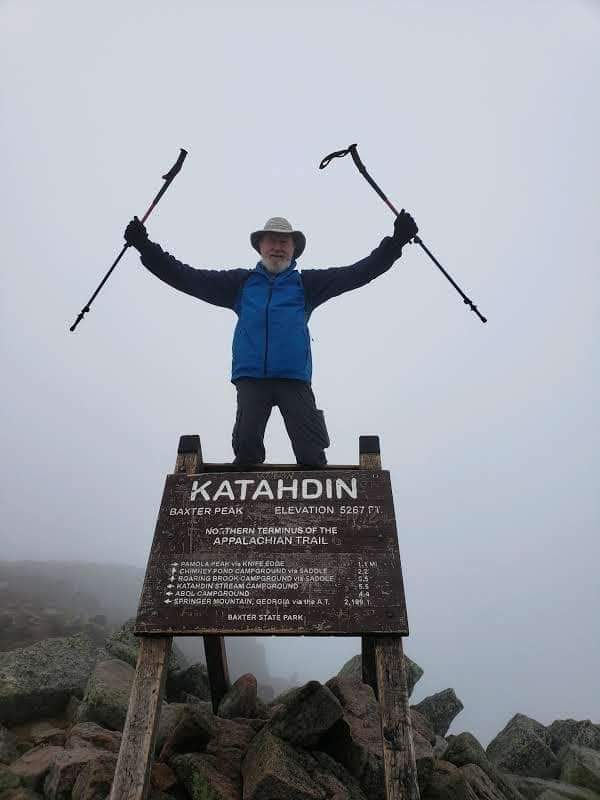
One year ago today I started walking north from Springer Mountain, Ga. on the Appalachian Trail. Five and a half months later I finished the trail at Mt. Katahdin, Maine. Since then there has been a move to Indiana, making the new house right, working on the trailer in Delaware, a trip to Belize, a trip to St Louis, and COVID-19. Oh yeah, and the ant wars. More on that later.

I’m still trying to get my hands around the enormity of that little venture. I have flashbacks to moments on the trail. Mostly good, but some so-so moments. Just little fragments of time out of five and a half months. Physically, I’m comfortable where I am now. I’m really, really glad that I don’t need to hang my food from a tree for  bear protection, and I get to sleep in a bed out of the rain with a roof over my head, and I’m eating something other than tuna and rice sides. But sometimes I wish I was still walking north. Even in the not so nice times. This is not something easy to articulate. I always feel like I’m where I’m supposed to be. That’s just part of existing on this hunk of rock orbiting the sun. But there are some places, at certain times, where I feel like I’m part of something larger. That’s how I feel about the thru hike. I was where I was supposed to be, with the people I was with, in the conditions we were in, at the time we were there. There’s a comfort there that I just can’t explain.

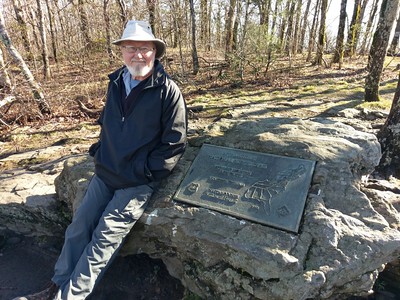
48932642193_939b6c8825_w

Springer Mountain Georgia, southern terminus of the Appalachian Trail. March 27, 2019.

Now we’re trying to stay home, doing our part to fight the COVID-19 virus. So, how to be productive when you have lots of time on your hands? You learn to make cocktails of course. Lise gave me a cocktail making book for my birthday and I’m off and running. A major disclaimer here; I am not a cocktail drinker. I am a straight liquor person. I have a strong belief that if you must mix your liquor with something to drink it, you shouldn’t be drinking it. There are very few mixed drinks I will drink, and those have some history behind them. Where I’m interested in cocktails is the chemistry behind the blending of the flavors. Actually, in some cases alchemy, not chemistry, may be the proper term.

IMAG1123My birthday present.

I’m starting with the basic syrups and liqueurs what will go into the cocktails. It’s a process, from finding the ingredients to actually mixing them together. Who knew that Meijer’s didn’t carry chinchona bark, mugwort, wormwood, gentian root, quassia bark, orange blossom water, hibiscus flowers and juniper berries? Really. Ingredients you use every day in the kitchen. Once you find everything, there are specific ways you dice or chop or smash the ingredients and an order in which they are combined. Once the ingredients are blended properly, you put the jar in a cool dark place for a week or so, gently shaking the jar, every other day. I’m feeling like a medieval doctor. Or Snape, the Harry Potter potion master. I need to wear a black robe when doing concoctions.

Then there’s the ant wars. They invaded the kitchen and we had to make a stand. It’s the domino theory thing. If we let them have the kitchen then the next room and the next and the next would eventually fall under their control. I think we may have finally turned the tide, but the battle wasn’t pretty. As Sherman said, “war is hell”. We’ve reduced the number of ants traipsing across the kitchen counters to an occasional scout willing to brave the boric acid obstacle course. They are still coming which says we haven’t taken out the colony yet. It’s just a matter of time now. We’re now in a war of attrition which could go on for another couple weeks. But I can see the light at the end of the tunnel.

IMAG1121

IMAG1117The battlefield. “We have met the enemy and they are ours”.

Saturday, March 21, 2020

We are back in West Lafayette after a quick trip to Delaware. I needed to get some work done on the trailer and Lise felt the urge to get out o Dodge for a couple days. We threw some clothes in a bag and headed east. Just as the COVID-19 sideshow started ramping up. Right after we got there all bars and restaurants were shut down except for carry out. For entertainment we were left with watching an inept president and administration take lessons from Italy on how not to handle a crisis. How can we take a serious situation and turn it into a crisis? Put tRump in charge. It would be a great sitcom if the consequences weren’t so tragic.

Except for some minor inconveniences, COVID-19 controls haven’t been too bad for us. Isolation and social distancing are no big deal for me. My adolescent love life gave me plenty of practice there. We’re fortunate that we don’t have livelihoods affected by the control measures. And we had enough toilet paper on hand. The stock market may be at its lowest level in eleven years, but toilet paper and gun sales are way up. I assume the doomsday nut cases are holed up in their bunkers, guarding their pallets of toilet paper.

We did get out for some fun in Delaware. The weather was mild, and we got some outdoor time at a few or our favorite places. We got several new birds for the year including a pink-footed goose. This is a species from Greenland and Iceland and is a rare vagrant to the U.S. East Coast.

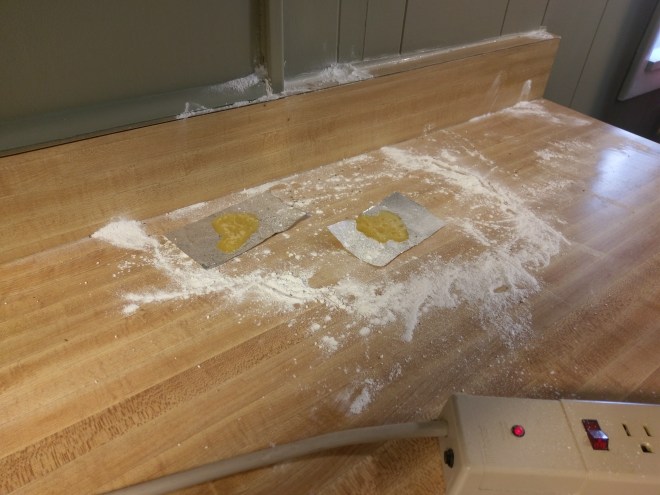
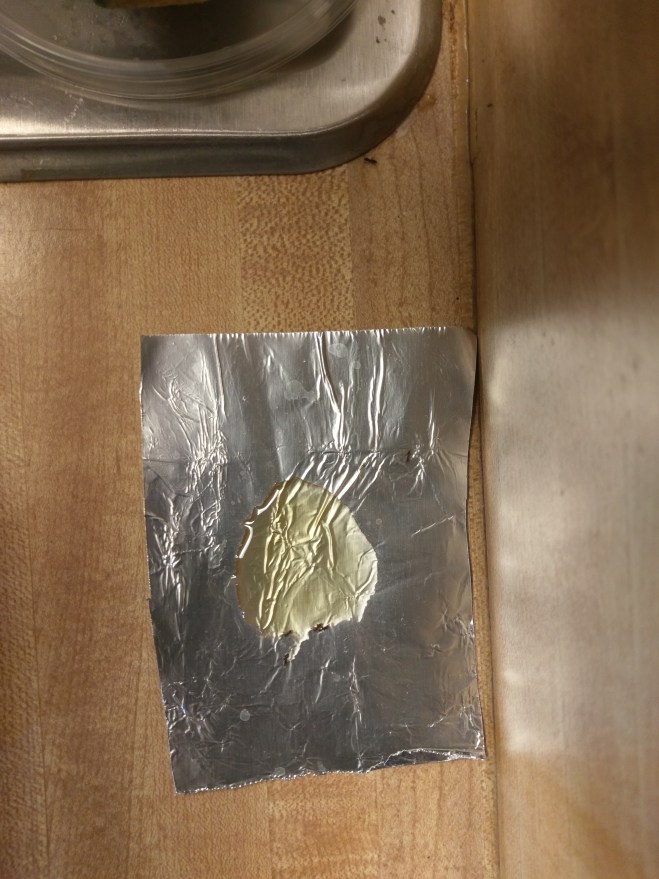
The ant war is going about as well as the stock market. Before we left for Delaware, I set out some honey laced with boric acid. The ants were all over it. Two days later, there were only a few ants at the bait. Feeling victorious, we put out some fresh bait to finish off the colony and headed out of town. Well, never underestimate your enemy and let your guard down. While we were gone the ants reinforced, launched a counterattack, and reclaimed the counter. It was a stunning reversal to say the least. Escalating the conflict, I mixed more boric acid into the honey and reset the bait. Then, to hit them with shock and awe, I carpet-bombed boric acid around the counter and the openings I found them using. If this doesn’t do the job Lise will go nuclear and call Orkin.

IMAG1109The bait a few hours after I put it out.

IMAG1111The bait two days later, the morning we left for Delaware. Little did I know it was a ruse to gets us to leave.

Monday, March 9, 2020

Busy times in the Schools’ household since my last post.  We hosted visits from our friends Lisa and Lindsay and from Molly. We did a trip to St. Louis where we visited with Stefan and Kasey and got to play with the ever-adorable Ava. We did a trip to Pokagon State Park for Lise to do a presentation. Then there’s the usual household and general living stuff. And the ant wars. An update from the front lines later.

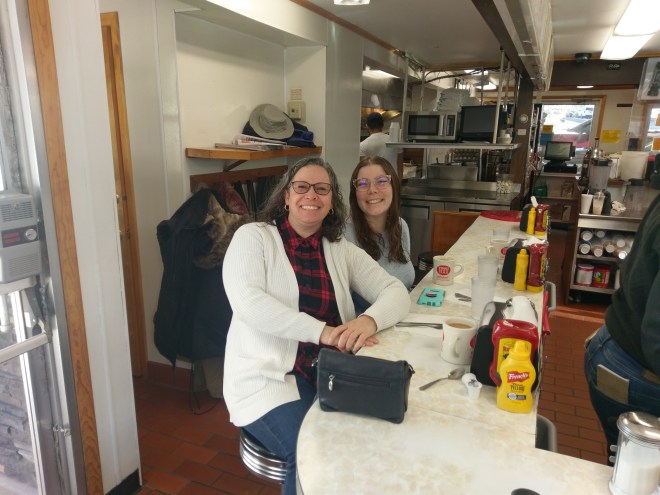
IMAG1082Lisa and Lindsay at West Lafayette’s own Triple XXX diner.

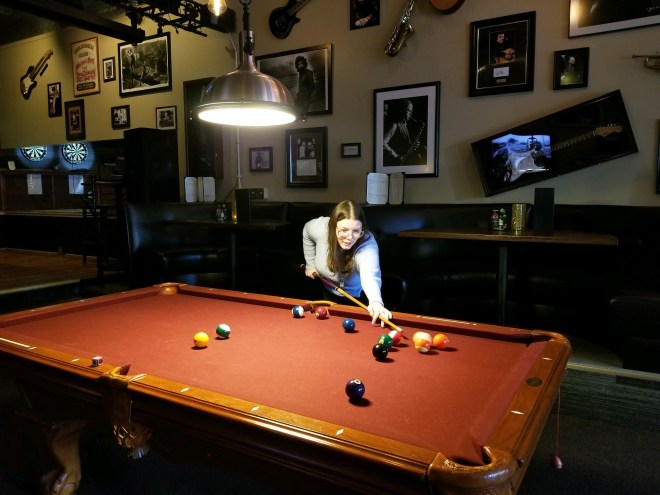
IMG2882289240187016868Lindsay showing us how it’s done at the Knickerbocker, Indiana’s oldest bar.

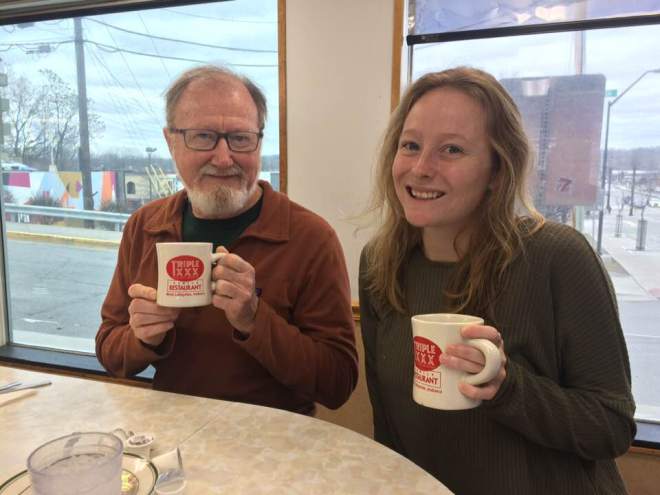
Triple XXX 030620Molly and me at Triple XXX.

IMAG1107Molly at the Knickerbocker.

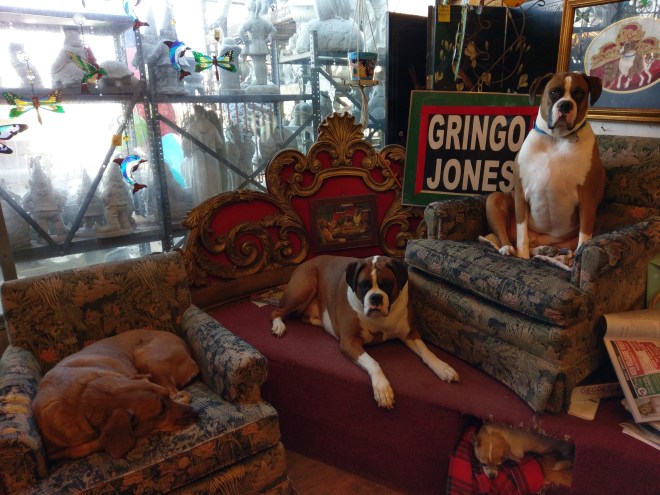
St. Louis is always a fun place to visit. First and foremost, we get to see and play with Ava. Then there’s places like Gringo Jones. I don’t think there’s too many places north of the Rio Grande  where you can still buy an Elvis on black velvet.

IMAG1094Lise reading to Ava..

IMAG1091The dogs inhabiting Gringo Jones.

IMAG1090The King still lives and is for sale at Gringo Jones.

Having moved back to Indiana after eighteen years in Michigan we decided to reacquaint ourselves with the state. Most people blasting through Indiana on the interstate think the state is nothing more than flat cornfields. For the most part they are correct, but there are some hidden nonagricultural gems such as the 25 State Parks managed by the Indiana DNR. So, we took on the challenge of visiting visit all 25 Indiana State Parks as a way to get back into the state.

First up was a visit to McCormick’s Creek on our way to St. Louis. Not exactly the most direct route from West Lafayette to St. Louis, but it’s in the general direction of south. Lise was the Naturalist at McCormick’s Creek when I first met her thirty some odd years ago. McCormick’s Creek is about 1900 acres and is Indiana’s first State Park, dedicated in 1916. The park has some nice mature forests, limestone and karst features, and its namesake McCormick’s Creek running through it.

IMAG1087Welcome to McCormick’s Creek State Park.

IMAG1088The shadow of the fire tower taken from the fire tower.

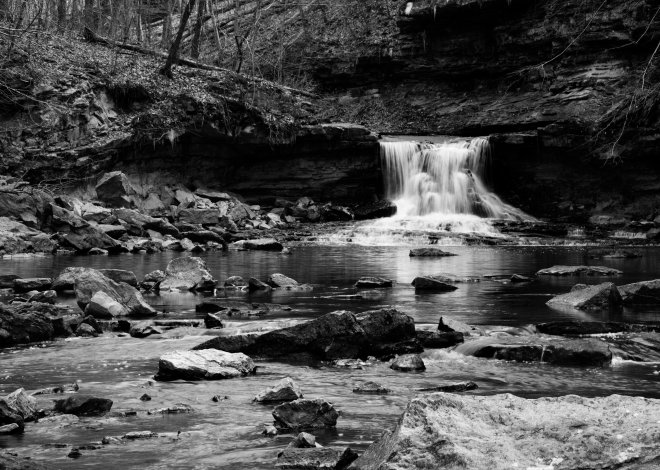
McCormicks Creek falls.McCormick’s Creek falls.

The day after getting back from St. Louis, we headed up to Pokagon State Park, in the far northeast corner of Indiana. Lise worked at Pokagon as a seasonal naturalist before getting her full-time gig at McCormick’s Creek. We did this trip because she was doing a presentation for the Great Lakes Park Training Institute conference at the park inn.

Pokagon was dedicated in 1925, is a bit over 1,200 acres, and has a number of glacial features. Unfortunately, the weather was nasty, so we didn’t get to enjoy the park very much. Right after Lise’s presentation we headed south to beat a snowstorm. I got in a quick walk to Lake Londiaw, a kettle or ice block lake, and Hell’s Point, a glacial kame.

IMAG1100Welcome to Pokagon State Park.

IMAG1099One of numerous ephemeral wetlands at Pokagon.

IMAG1098A frozen over Lake Londiaw.

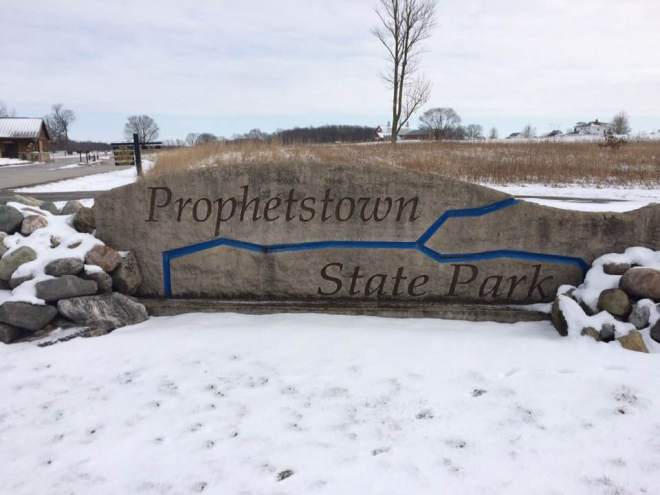
And last but not least this go around is Prophetstown State Park. Getting to Prophetstown this year will not be a challenge. Since it’s only a couple miles from us we have already been there a couple times this ear. This is Indiana’s newest State Park, dedicated in 2004. It’s near the site of a multi-tribe village Tecumseh and his brother The Prophet assembled in Tecumseh’s attempt to unite the Indiana tribes against European encroachment. It’s also near the pivotal Battle of Tippecanoe site.

ptown signWelcome to Prophetstown State Park.

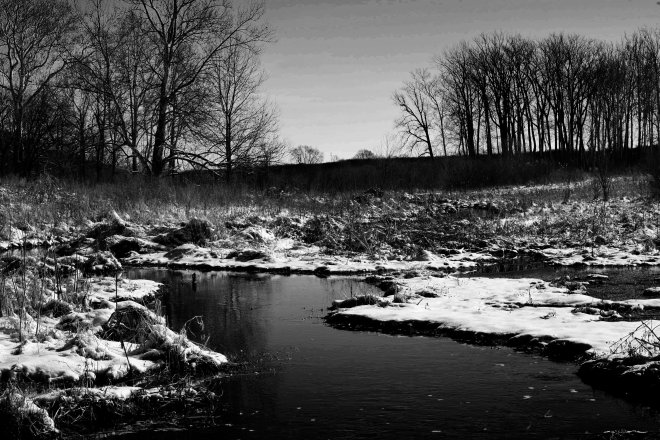
Ptown wetlands.A stream at Prophitstown.

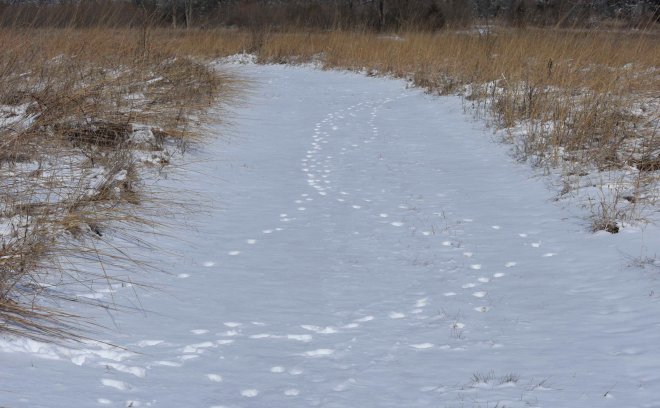
Ptown coyote tracksCoyote tracks in the snow at Prophetstown.

Oh yeah, and then there’s ant wars. Which aren’t going well right now. Our kitchen is the front in this nasty little war. For the past couple weeks, little brown ants have found their way into the kitchen. I’ve tried going sniper and watch them until I find where they’re coming in and out. I’ll seal that little crevice and they seem to die back. Then a small crumb of something sweet gets left on the counter and it looks like the Normandy Invasion. We’ve tried commercial ant traps which the ants dutifully ignore. The idea is that they take the poisonous bait in the trap back to the colony to share with their buddies. The ants in the colony eat the poison and eventually the colony dies.

Great idea, but it doesn’t seem to work. Since the ant traps haven’t done the job we’re going to have to ring in some heavier ordinance. Tomorrow we bring in the boric acid. There are all kinds of recipes on the internet for sure kill and bait with boric acid. So, stay tuned.


Thursday, February 6, 2020

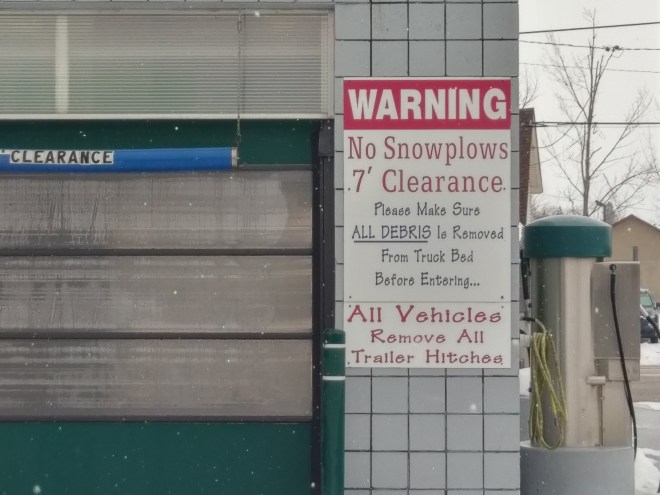
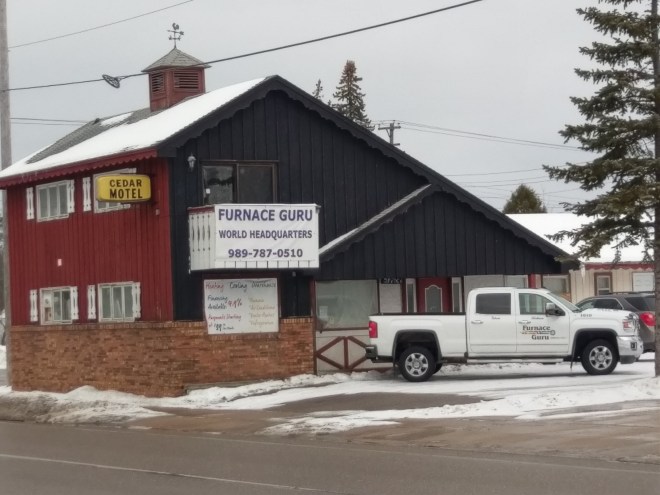
Not too much exciting going on in the Schools’ household. The highlight this past week was our annual Eastern Upper Peninsula birding trip. Going North is always fun. Once you get above about the 45th parallel, things get different and people think differently. Where else are you going to see a sign reminding you not to take your snow plow through the car wash or establishing the world office for the Furnace Guru in a motel.

IMAG1075

IMAG1074

Birding wasn’t so great, but we did get in some major friend time. On the way up to the U.P we spent the night in Okemos with our friend Val. Lucky for us she had just cancelled a trip to Arizona and could put us up. On short notice she arranged a little dinner party, so we got catch up with some old Okemos friends. Several that were heading out of town in the next day or two. Had we waited a week we wouldn’t have seen them.

When we had decided to head north, we contacted Joanna, our friend in Marquette. We got lucky and she was available, as was her friend Jean who we had birded with once before. Jean had just come in from Minnesota the night before. Then, in one of those weird coincidences, as we just pulled out of our driveway heading north, Lise got a text from our friend Sarah. Sarah and her husband Wil had recently moved to the Eastern U.P. Sarah asked if we were planning to come up to the U.P. for some birding this winter. So, even though we decided on really short notice to go north, we had four good friends join us for birding.

Then our friend luck held out as we headed back south. Again, we stayed with our friend Val in Okemos. On the drive back to Okemos I contacted Phyllis, a friend and former coworker. Luckily, Phyllis was available, and she invited her neighbors and our friends Ned and Evy. Who were also miraculously available. So, we got an evening out with three normally incredibly busy friends.

While we got in some major friend time, the birding was lackluster at best. Normally the Eastern U.P. is a hotspot for winter birding. Northern species drop down into the U.P. looking for winter food. Apparently, there was a good seed and pinecone crop in Canada this year, so the birds decided to stay. We did see at least 20 bald eagles and around ten snowy owls. One of the classiest bird there is.

IMAG1076Lise birding at the Dafter Post Office in the snow.

snowy 2020Snowy owl, one of the classiest birds going.


Sunday, January 26, 2020

Been awhile but I just haven’t been able to get a blog post up. Things just seem to conspire against me having some writing time. We did a month back east, including time in Delaware and Christmas dinner at my sister Lynn’s house in Pennsylvania. Then, right after the New Year we did a trip to Belize with Molly and Mitchell. I just couldn’t find time to write while we were in Belize. Not that I’m complaining.

IMAG0997Heading into Belize.

Molly and Mitchell set up most of the trip, so it was relatively laid back. Not as much birding and photography as I would have planned. We did a couple days in San Pedro for the tourist beach gig, then went inland to San Ignacio for another couple days. Molly and Mitchell headed back to Philly from San Ignacio, but Lise and I went up to Crooked Tree village for some birding and photography.

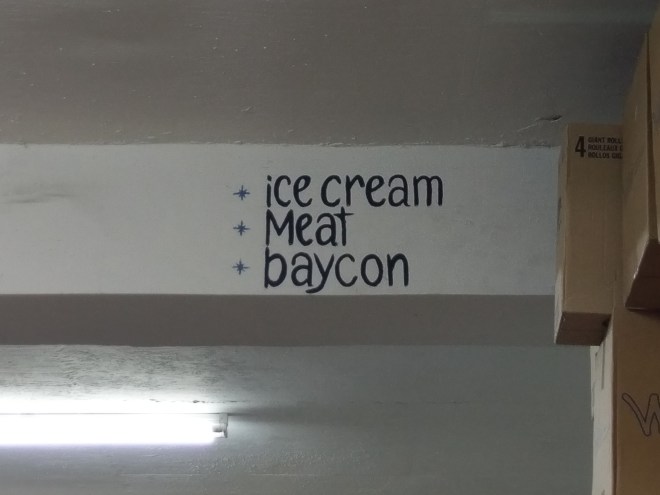
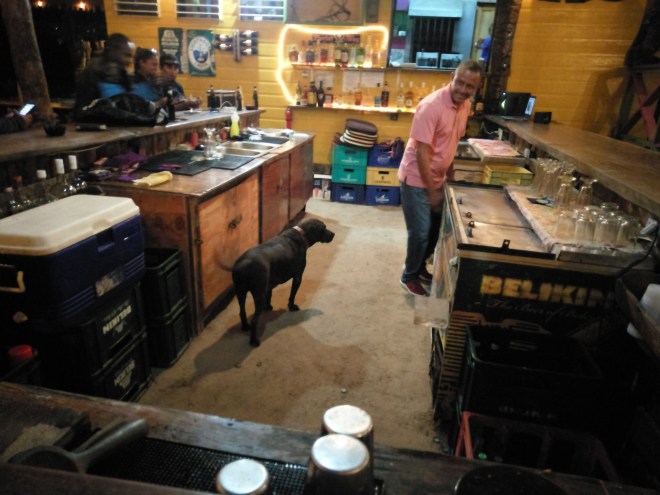
In short, we had a great time. Belize is the country to go to if you’re worried about being lost in a foreign country. English is the official language. You will also hear Kriol (Belizean Creole) and Spanish, but everyone speaks English. I don’t think I have ever been in a friendlier country and that includes Canada and Japan. Especially considering that Belize is a third world country. Sure, there were plenty of guys and stray dogs just sitting around but that’s expected in a third world country. In no part of the country, at any time, did I feel unsafe. Even when watching the police sitting at the beach drinking a beer.

IMAG1005Bacon in Kriol.

Dogs hanging around.

IMAG1006Dog in an open air bar.

IMAG1015Policeman chilling with a beer.

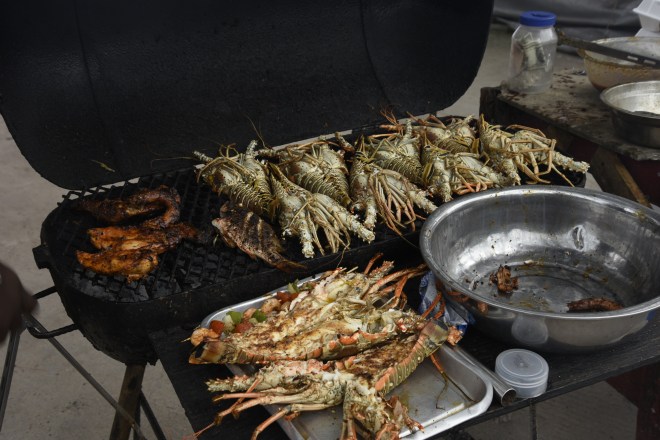
San Pedro and Caye Caulker are the beachy tourist thing. Good food, especially seafood, lots of beach, and the ocean. Grilled fish and lobster on the beach, right out of the water. The best part of San Pedro was snorkeling in Hol Chan Marine Reserve and at Shark Ray Alley. First time I’ve ever seen a moray eel and an eagle ray swimming in the wild. When we did shark ray alley, the boat crew chummed in a school of nurse sharks. Nurse sharks are harmless. They’re essentially large catfish. Really, really, large catfish. It’s kind of weird when you’re swimming with fish the size that you are. The boat captain made sure to throw the chum around us, so we were surrounded by the beasts.

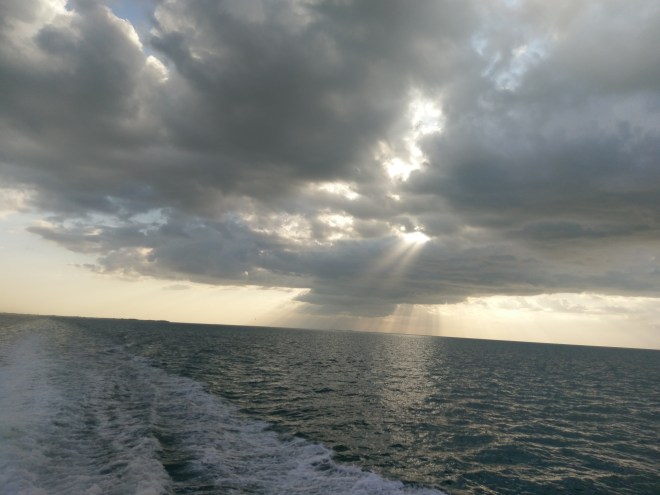
IMAG1003Rainstorm from the water taxi going to San Pedro.

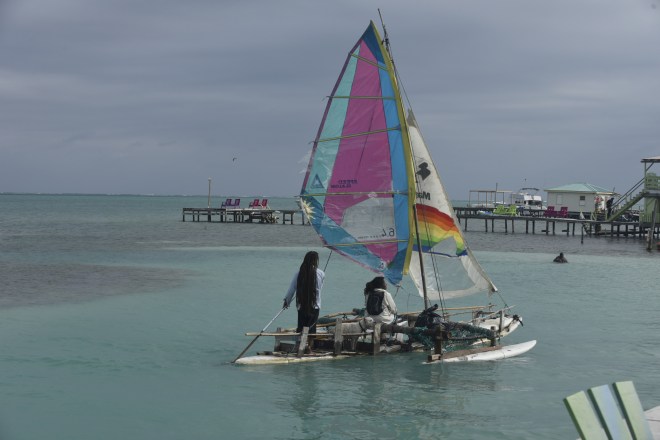
IMAG1008Water taxi terminal, San Pedro.

IMAG1007Excellent street food place in San Pedro.

IMAG1009Caye Caulker street.

_DSC3112Fisherman at Caye Caulker.

IMAG1004Lobsters and fish being weighed.

_DSC3088Lobsters grilled on the beach.

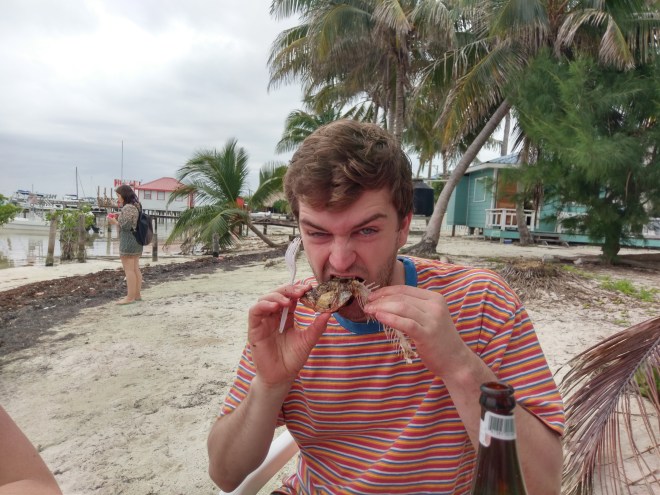
IMAG1013Mitchell eating a grilled fish.

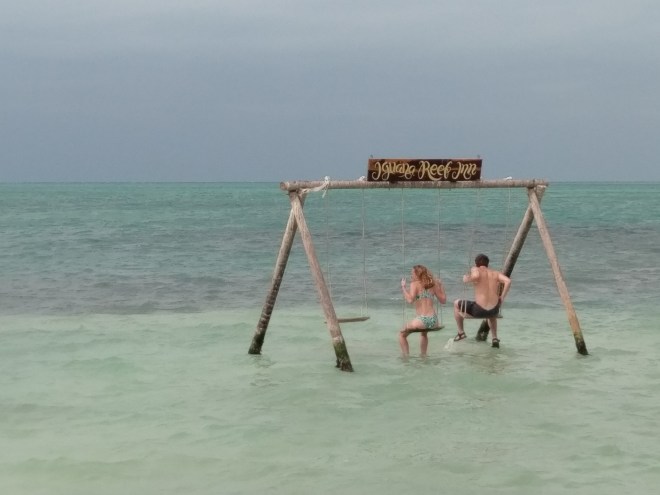
IMAG1012Swings in the water.

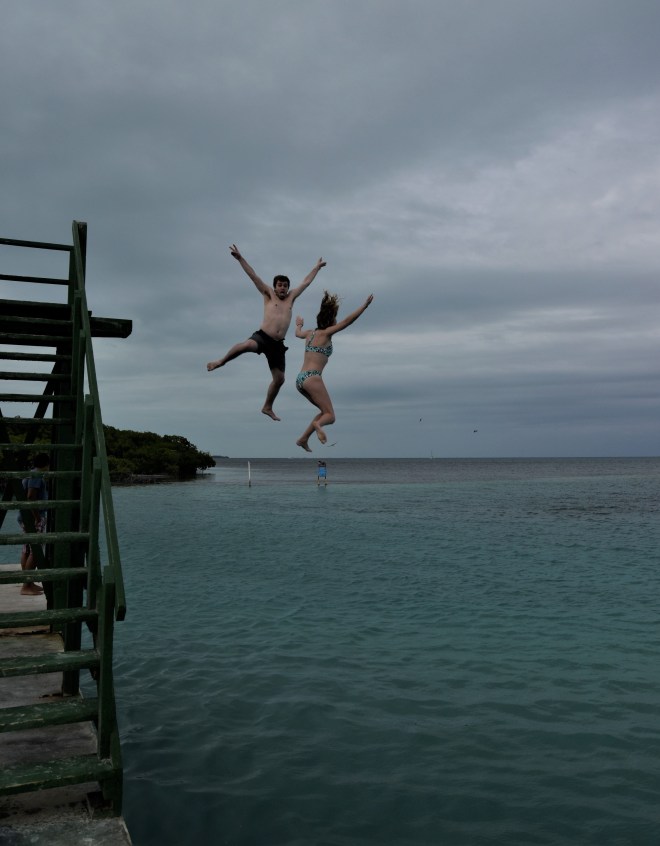
_DSC3119High dive.

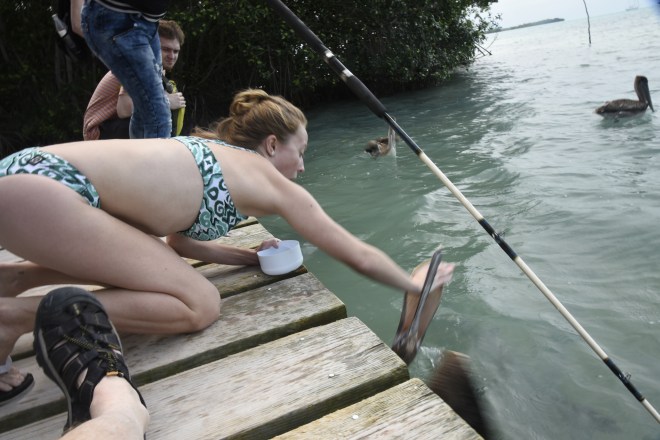
We had only one aquatic related wildlife incident. There’s a place in Caye Caulker where you can hand feed small fish to large tarpon. When Molly tried to feed the tarpon, a pelican came up from under the dock grabbing the fish and her arm. No permanent damage but the incident further reinforced her dislike of birds.

_DSC3079Pelican chewing on Molly.

After a couple days in San Pedro we went inland to San Ignacio. A very different atmosphere than the beachy tourist San Pedro gig.

IMAG1017Molly and Mitchell snoozing on the water taxi back to the mainland.

_DSC3156Storm over San Ignacio

San Ignacio is the jumping off place for a number of Maya related sites. We did the Actun Tunichl Muknal (ATM) cave a popular Mayan site. ATM cave is a Mayan religious site, with artifacts and skeletons from a thousand years or so ago. You have to wade a river three times to get to the cave and one of the crossings is chest high. To get into the cave you must swim a short distance, keeping your headlamp up out of the water. Most of the cave you are in water and there’s a few tight squeezes. ATM cave is a moving experience. The cave itself is impressive with great examples of typical cave formations. The thousand-year-old Mayan relics, including remains of human sacrifices, take ATM out of the typical cave tour. Unfortunately, because of problems with a few jackass tourists, cameras are no longer allowed in the cave. The following pictures are from the web and are not mine.

ATM pictures from the web. These are not my pictures.

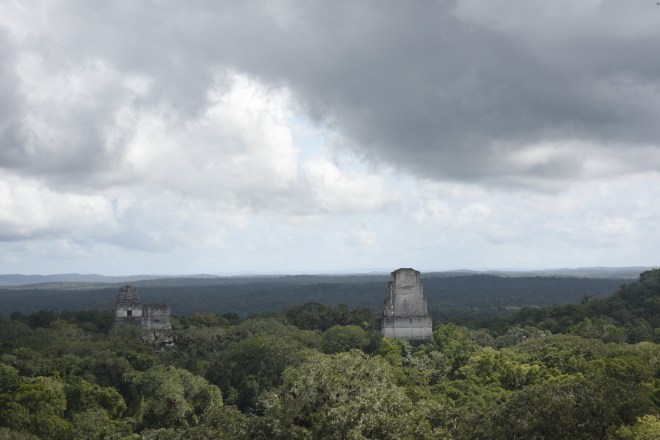
From San Ignacio we went into Guatemala to visit Tikal, an ancient Mayan city. Tikal is hard to succinctly describe. An ancient city rising out of the jungle. This is Indiana Jones stuff. A couple thousand years ago Tikal was a major metropolitan area but has now been abandoned for a thousand years. The jungle took it over and due to its remoteness, it went relatively undisturbed until the mid-1800s. Now it’s a UNESCO World Heritage Site. In many ways Tikal is up there with Machu Picchu. The Mayan’s obviously had an excellent grasp of mathematics and astronomy. It’s hard to imagine the knowledge lost because the Spanish, in their infinite wisdom, thought burning the Mayan writings was a good idea.

IMAG1028Our guide explaining the Mayan number system.

_DSC3196

_DSC3225

_DSC3243Mayan ruins of Tikal.

While in San Ignacio, Lise and I did a guided birding trip to El Pilar. El Pilar is another Mayan site that stretches across the Belize border into Guatemala. The site is mostly unexcavated and the jungle around it relatively intact. It makes for interesting birding. Because the jungle is intact you get birds that need the intact system. But you stand on mounds knowing you’re standing on an ancient unexplored city buried beneath you.

Wandering livestock on the road to El Pilar.

We had two guides, and two of their friends joined up with us. All were excellent birders. Birding with these guys was fun. For starters, the banter between these guys was exactly the same as you would hear between U.S. birders. With the difference that there was sometimes a momentary switch from English to Kriol.

Thanks to these guys we got a head start on our neotropical migrants like warblers for the year. A number of our migrant species winter down in Belize. Can you blame them? Up here, we have the advantage of their breeding plumage and breeding songs to ID them. In Belize all you hear are their winter chip notes. We were duly impressed with our guides’ ability to ID birds by just the chip calls.

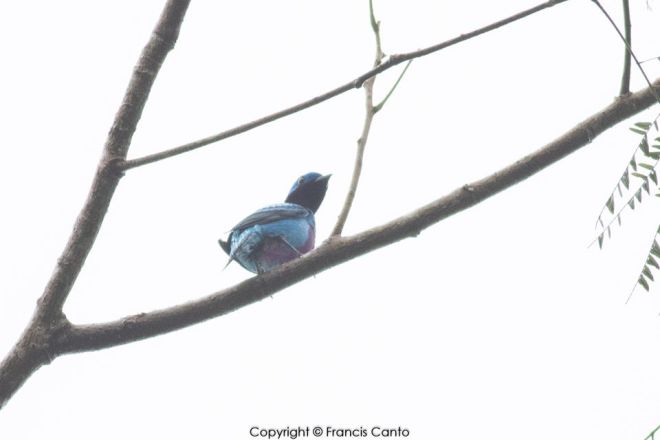
The highlight of the birding trip was getting a quick look at a male lovely cotinga. This blue and purple bird is one of the prettiest, and rarest, birds in Belize. This bird was a big deal. When we spotted it, our guides and their friends started whooping and high fiving each other. It was a life bird for at least one of them, as well as Lise and I. The friends left about a half hour earlier than our guides and us. Apparently, as soon as they were in cell range, they posted the sighting on the Belize birding listserves and eBird. The instant we got back into cell range our guides received a message from their boss wanting to know why they hadn’t immediately informed him of the bird.

Cotingua francis canto

Documentary photo  of the male lovely cotinga we saw. Francis Canto picture

From San Ignacio, Molly and Mitchell headed back to Philly while Lise and I did a couple days in Crooked Tree village. And village is the proper term. The village is on an island in the middle of Crooked Tree Wildlife Refuge. About a thousand people and no paved roads. Of course, there’s the obligatory dogs and livestock wandering around. Kriol is the main language, but again, everyone knows English if you need help. The grocery store was a small one room affair that was part of someone’s home. No browsing the aisles. You told a lady at a window what you wanted, and she would hand it to you through the window. The restaurant close to us had three menu items. Burger and fries, stew beef, and stew chicken. The stew chicken was excellent and a huge helping along with coconut rice and beans cost $5.00 American. In all fairness to the town, there was some rain every day we were there. The roads were muddy and slick, so we didn’t wander except down to the lodge closest to us. There may have been other amenities in the town that we didn’t see.

Wandering horses.

_DSC3845

_DSC3832The daily rainstorms.

We stayed in an Airbnb cottage dating from the mid-1800s. It was the great-grandparents’ home of the gentleman we rented it from. It was rustic, with low water pressure and no air-conditioning. The yard contained trees such as lime, coconut, mango, and cashew that were over a hundred years old. His great-grandparents planted them as food sources. The cottage had its own resident green iguana and black iguana. You really got a feel for rural Belize.

The cottage. The fence is to keep livestock out, not in.

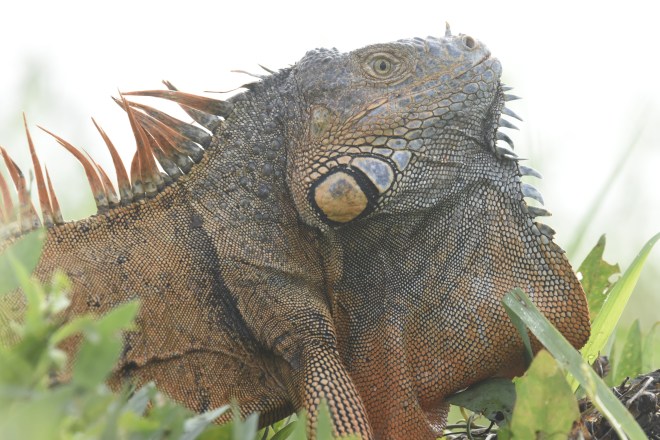
_DSC3491Resident black iguana. There was also a resident green iguana.

Bird’s Eye View Lodge was about a half mile away on slick dirt roads. It’s located on the shores of the lagoon that make the village an island. We did a couple birding boat tours with the lodge and ate most meals there. In the spirit of how friendly Belize is, because the roads were so muddy the lodge would send a driver, at no cost, to pick us up or drop us off. When the cook found out I was gluten free she would make sure to prepare me something suitable. The first evening we ate dinner there, the credit card connection would not work. The cashier just said, “it’s OK, you can just pay tomorrow if you come for breakfast.” And we weren’t staying at the lodge.

IMAG1058

IMAG1055

IMAG1045

IMAG1039

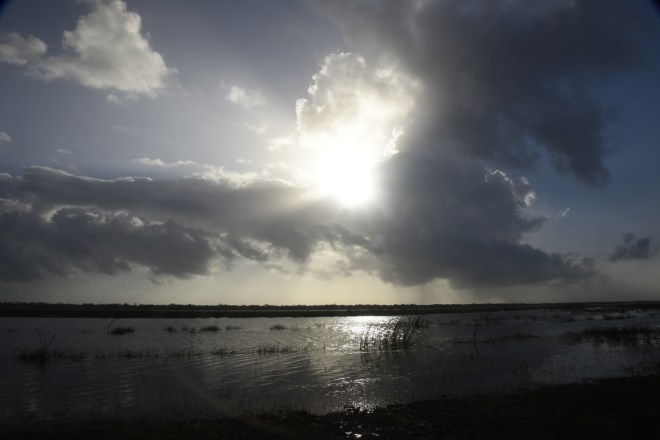
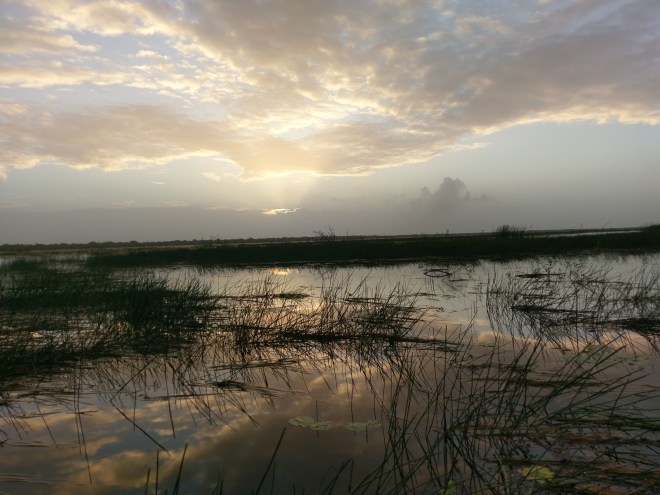
IMAG1038Sunrise pictures over the Crooked Tree Lagoon from the birding boat ride.

wood stork4

wood stork3Wood stork.

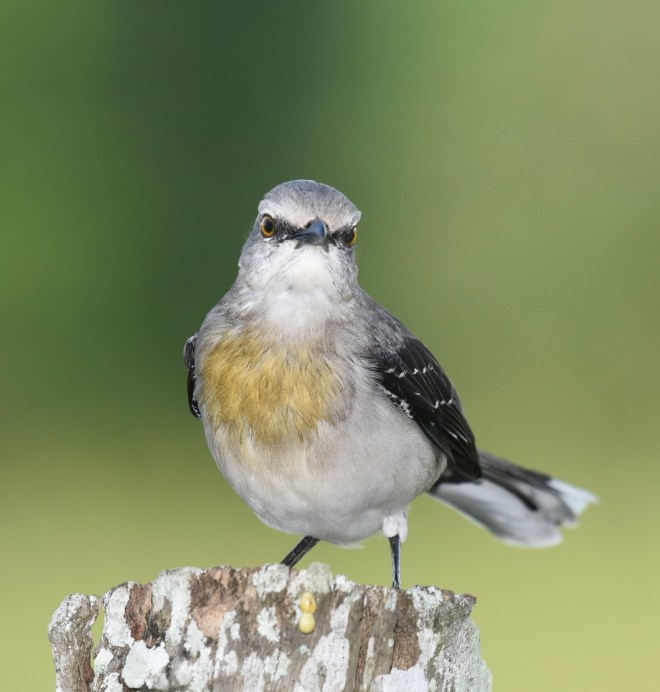
tropical mockingbird2Tropical mockingbird.

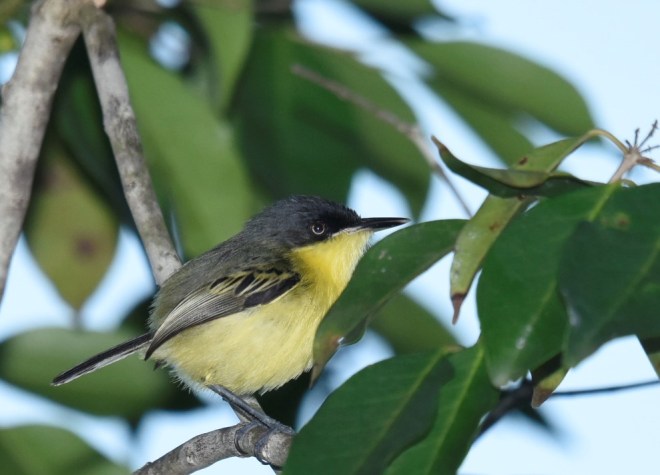
toadyCommon toady-flycatcher.

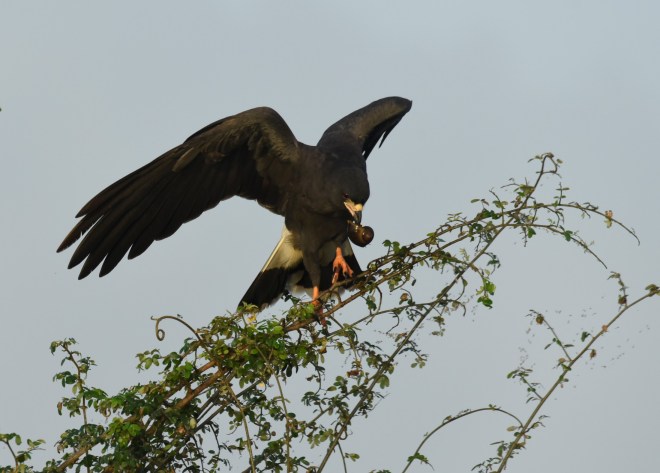
snail kite3Snail kite.

snail kite2Snail kite with an apple snail.

snail kite1Snail kite eating an apple snail and spitting out what he doesn’t like.

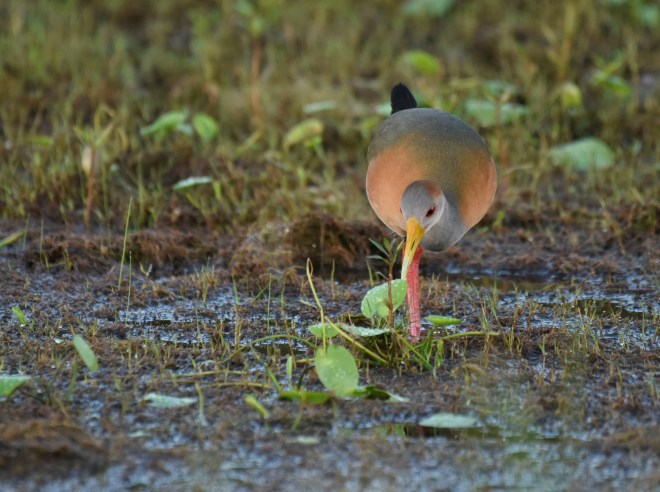
rail2

rail1Gray-necked wood-rail.

pygmy kingfisher1American pygmy kingfisher.

ospreyOsprey.

limpkin2

limpkin1Limpkin top and glossy ibis immediately above.

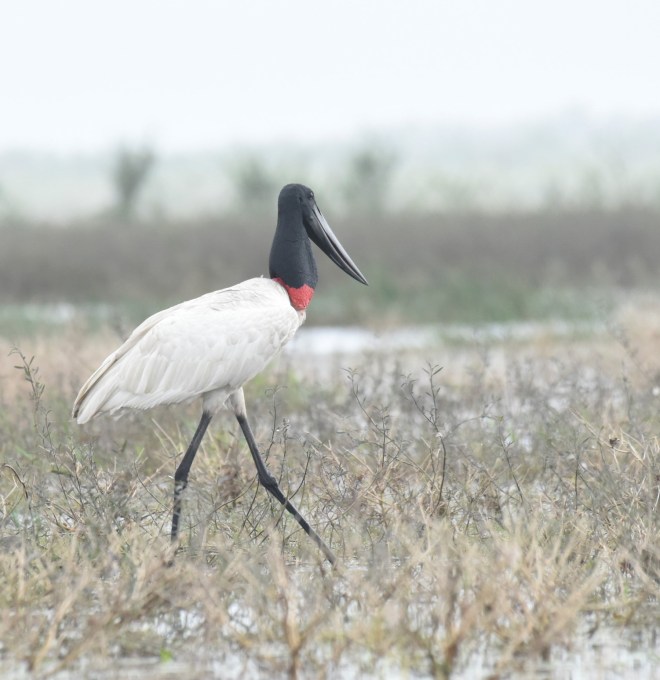
jabiru stork3jabiru stork2

jabiru storkJabiru.

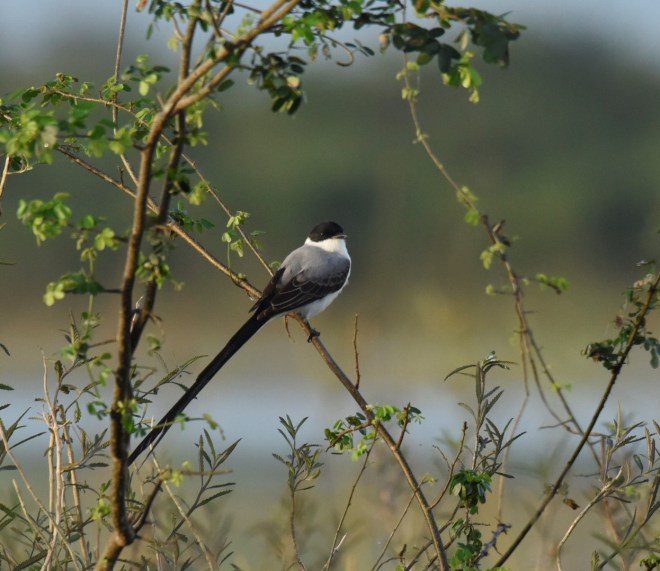
flycatcherFork-tailed flycatcher.

boat-billed heron2

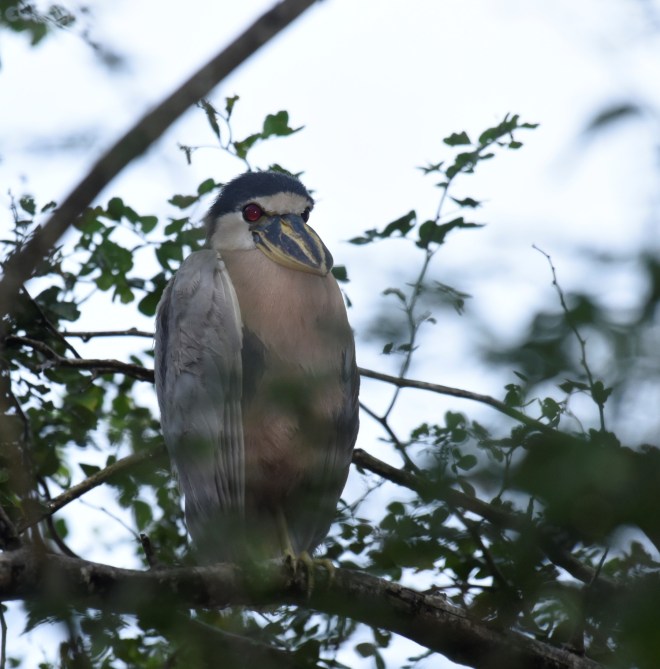
boat-billed heronBoat-billed heron.

bc nightheron2

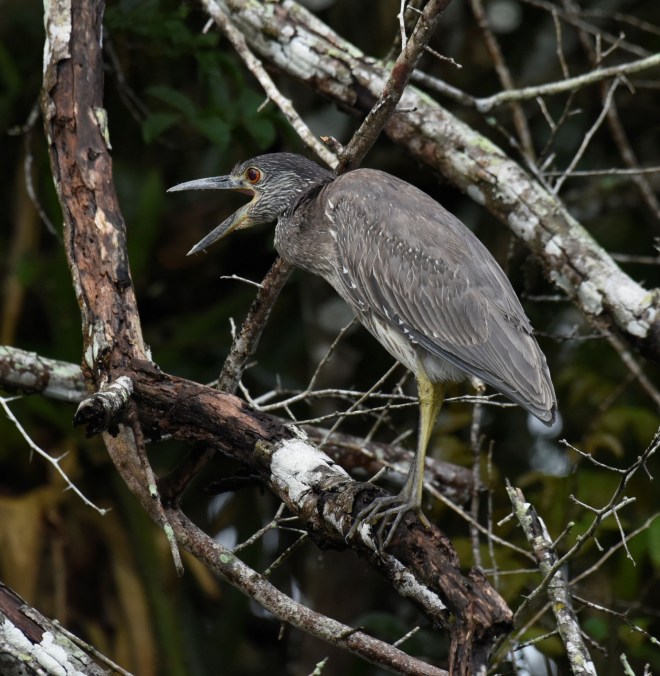
bc nightheron1Black-crowned night-heron.

hummer3

hummer2

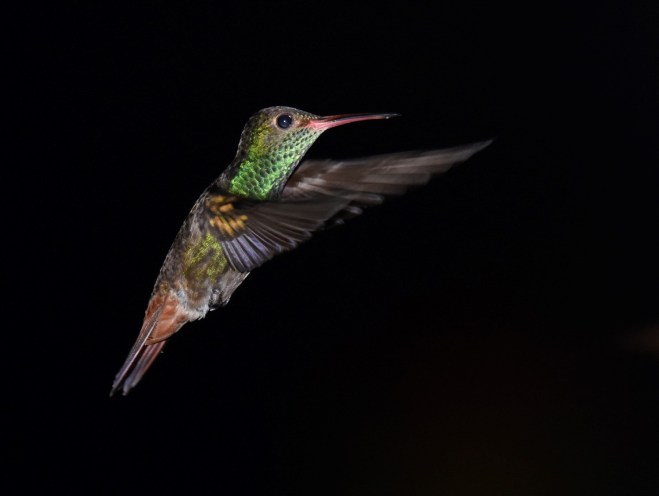
hummer1Rufous-tailed hummingbird.


_DSC3416Green iguana in breeding colors showing his stuff.

IMAG1054Frog on the lodge door.

We only had ten days in Belize. Nowhere enough to do the country right. The natural history and birding were great. Thanks to this trip Lise and I are up to 181 bird species already this year and some were lifers for us. But we only had a couple quick birding trips, nowhere enough to catch the diversity Belize holds. The Mayan history and ruins can’t be grasped in a short visit. The Mayan sites need repeated visits and time to grasp their significance. More than a ten-day trip. But a ten-day trip did give us enough time to appreciate the culture of Belize. I have never been to a more friendly and accommodating place than Belize. Take away message – if you have a chance to go to Belize – Go. Do not hesitate, just go.


Sunday, December 29, 2019

We find ourselves in Delaware as the year is winding down. We’ve been doing a mix of playing and working on the trailer. I could probably knock off most of the trailer work in a solid two-week work session, but who can work when you’re in a playground like this?

henlopen3

henlopen2

henlopen1Cape Henlopen sunrise.

Molly and Mitchell came down from Philly for a weekend visit. We went down to Chincoteague Island to hike around and see the wild ponies. On the way back we stopped in Woody’s in Dewey Beach for crab cakes. Woody;s is a small little bar/restaurant and their crab cakes are considered the best in Delaware. The reputation is well deserved. These were the best crab cakes I have ever eaten. I have been spoiled. If you ever have the chance, go to Woody’s and eat the crab cakes. Not cheap by and stretch of the imagination, but you will not be disappointed.

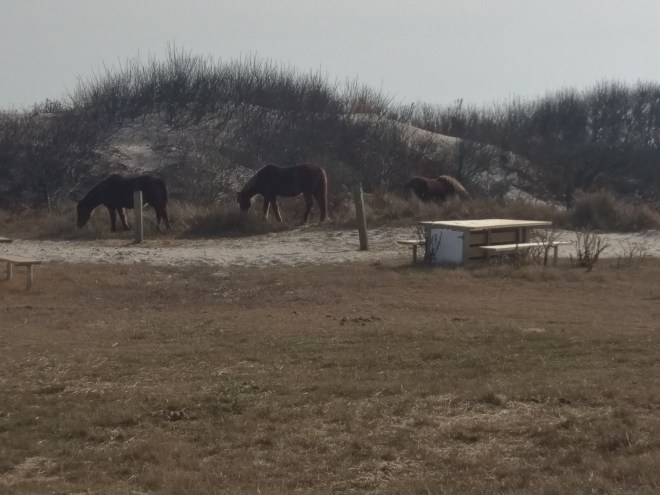
IMAG0028Chincoteague ponies

IMAG0029Woody’s in Dewey Beach.

IMAG0032Molly and Mitchell at Woody’s

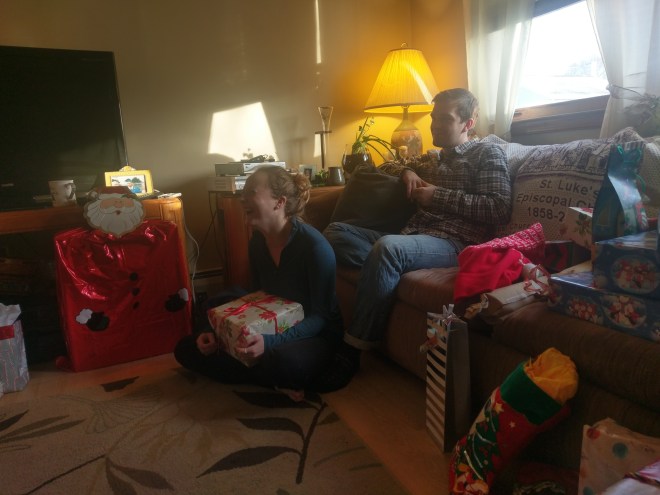
We did Christmas up in PA at my sister Lynn’s house. Molly and Mitchell came up from Philly for the feasting and gift giving. Good eating and good gifts. How can you go wrong with a blow-up palm tree beer cooler? Life is good.

IMAG0033Molly and Mitchell doing presents.

IMAG0994[1]A blow-up palm tree beer cooler.

Part of our playing here is doing some birding. On the way back from Delaware we stopped at Bombay Hook National Wildlife Refuge to get a stray Western tanager. Apparently, there has been a small irruption of Western tanagers to the east coast. This is a rare enough bird here that the paparazzi were lined up. Notice how all the old guys had big camouflage lenses that their wives let them buy. I had some real lens envy there.

paparazziThe Paparazzi.

WETA2

WETA1Western tanager at Bombay Hook NWR.

Today Lise and I did the Cape Henlopen\Prime Hook Christmas Bird Count. This isn’t like CBCs in Indiana or Michigan. For starters, Lise got a life barn owl before dawn. After tramping around the fields of prime Hook national Wildlife Refuge, I rode in a small boat a couple miles out to breakwaters in the Delaware Bay. The birding wasn’t spectacular, but we did see some seals on the breakwaters. That ain’t going to happen in Indiana. And I got to go out on big water, which even in the rain beats the hell out of working on a trailer. So, life is good.

Tuesday, December 24, 2019

With due deference to Clement Moore –

‘Twas the night before Christmas, a yearly condition
But this year seems different, we’re all in transition
Lindsay’s in Lansing, Molly and Mitchell in Philly
We moved to Indiana, the land of not hilly
But except for Lindsay, we’re together tonight
In Pennsylvania at Lynn’s, so everything’s right

Lise was snoozing and I with a nightcap
Was racking my brain, for the yearly re-cap.
Much has happened, and my thoughts are scattered
Trying to sort them, well my brain was just battered

Long months on the Trail, now seem like a flash
All jumbled together, a giant mishmash
My memories were swirling, like new fallen snow
It’s obvious he wanted it, quid pro quo

When what to my wondering mind should appear,
But the people I hiked with, and spent half the year
Some of them slow, some lively and quick
All took on the challenge, it was no picnic

More rapid than eagles my comrades they came
I whistled and shouted and called them by name
Hey Shocktop, hey Earthworm, hey Redbeard and Wiz,
Yo Quest, Yo Fuj, Yo Sponge Bob and Crusher,
We’re living the dream! We all heard the call!
Now on to Katahdin, dash away all!”

As dry leaves that before the wild hurricane fly
We met each obstacle and climbed to the sky.
From Georgia to Maine, or’ the mountains we flew
Through snow and rain, heat and humidity too.

And then in a twinkling the trail was laid out
Like the view from a tower, I saw the whole route
It twisted and turned, it went up and down
Can’t forget the rocks strewn all around
I dressed in synthetics, from my head to my feet
I was usually sweaty, and my body was beat
My means of survival was all on my back
I looked like a peddler, living out of a pack
For almost six months, twenty-two hundred miles
My comrades and I, we bested the trials
Thousands had started, only hundreds completed
We got to Katahdin, we were undefeated.
While I did the trail, Lise made a big move
To Indiana she went, to find a new groove
The town of her childhood, West Lafayette
With her went Rover, our reptilian pet
She bought us a house, the first that she saw
It had what we needed, so why hem and haw

Molly and Mitchell, taking Philly by storm
Have raised scrounging to a new art form
They’re both doing well, and making their way
Proud parents they have, I’m happy to say
Lindsay’s in Okemos, waiting and chilling
Looking for something she finds fulfilling
She works with children, to make a few shillings
So far we’re all lucky, there’s been no killings

It’s a year of transition, but we came out all right
So Happy Christmas to all, and to all a good night

Thursday, December 19, 2019

Since my last post Lise and I have been settling into our new digs in West Lafayette. Trying to find a place for the things that looked so good when we had a cabin in Bloomington, or when we had twice as much space in Okemos.

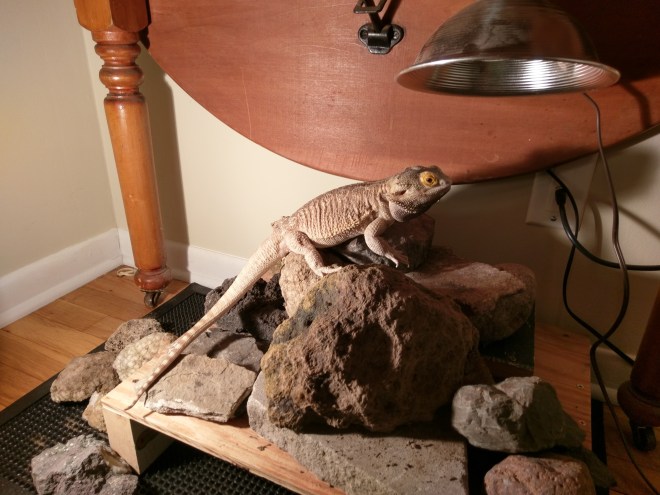
A small miracle happened to us. On November 25, Rover, our pet bearded dragon, disappeared. Rover has a warm spot with rocks where he usually hangs out, but he also has free roam in the house. Sometimes he likes to find some an obscure place to hide and sleep. On that fateful day Lise and I had both left the house separately. I checked on Rover before leaving and he was snoozing on his rocks as usual. When I came back a couple hours later, he was nowhere in sight. Nothing out of the ordinary, so it was a couple hours before I looked for him. And I couldn’t find him. Lise came back and we both looked for hm, with no luck. I stated looking outside with no luck. Over the next couple days, we scoured the house multiple times, including doing things like moving the refrigerator. Without finding Rover. We finally came to the conclusion that he somehow got out of the house and probably either froze to death or a hawk got him. Either that or an alien abduction. Needless to say, we were pretty bummed about losing the little guy. Then, on December 11, 17 days after he disappeared, Lise found him snoozing by my open laptop backpack. The only thing we can think of is that he crawled into my laptop bag and spent the next 17 days living in there. I took the laptop a couple places, had it in and out of the bag, bumped and jostled it, but never noticed a resident lizard. Then he appears sleeping beside it. We can’t rule out the aliens bringing him back though. Whatever the mechanism for his reappearance, we were quite happy getting him back. We gave him some water and food, and everything seems back to normal. I guess the aliens treated him well.

IMAG0018Rover back up on his rocks

Right now, we are in Delaware for the holidays. We did the 12-hour drive yesterday, after fueling up with a real stick to your aorta breakfast at West Lafayette’s Triple X diner. A three-egg omelet stuffed with taco meat, onions, tomatoes, and jalapeno peppers, plus sausage gravy on the potatoes. Heart attack on a plate. Life doesn’t get much better than that.

IMAG0021Inside the Triple XXX, a West Lafayette institution.

IMAG0022Yum.

Friday, December 6, 2019 (12:58 AM)

It has been a while since I posted to my blog. I tried to keep the blog up while on the Appalachian Trail but that just didn’t work. It was too hard and clumsy to post pictures and write posts using a phone, so I just posted quick updates on Facebook. Even that was problematic at times, mostly because I am at best inept with social media. And I hope to still be at best inept with social media when I leave this world.

There have been some big changes in my life since last I posted. The two of note are finishing the Appalachian Trail and moving to West Lafayette, Indiana. Yes, I’m now living in the state that elected Mike Pence as governor. Dark times, but we must do what me must do.

I didn’t come straight off the trail to here. Lise and my brother Rich came up to Maine for my thru hike finish. Rich and I summited Mt. Katahdin on September 17. I really can’t convey my emotions at having summited Katahdin and finishing the trail, and especially having Rich finish with me. Over 35 years ago Rich and I hiked most of the AT in Pennsylvania. When I retired three years ago, we went back and re-did what we did 35 years prior. Maybe a bit slower the second time. It meant a lot to me that he was there to finish with me. I will be writing more about my experience as I get my thoughts together. I’ve been trying to get my photos and notes organized into something coherent, but that effort got sidetracked in a major way with our move to West Lafayette.

FB_IMG_1568864608265

Finishing the AT

IMAG0958Rich climbing Mt. Katahdin.

IMAG0961Rich and I at the summit of Mt. Katahdin.

After the finishing the AT, Lise and I went from Maine to Lewes, Delaware for a few weeks. Arriving there in the evening we went to Crooked Hammock for dinner. It was in the Crooked Hammock with a beer that the reality of finishing the AT sank in. Which makes some sense. I left from Lewes to start the trail so coming back to Lewes completed the circuit.

We didn’t get too much play time in Delaware. Some birding and beach walking, but mostly working on the trailer. Lise flew back to West Lafayette and I stayed for another couple weeks. Got lots of work done and the trailer is fairly livable now. At least as a beach crash pad which is all it’s meant to be.

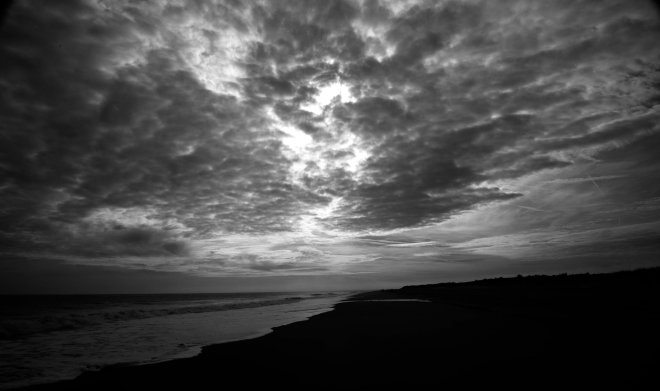
cape henlopen B&W

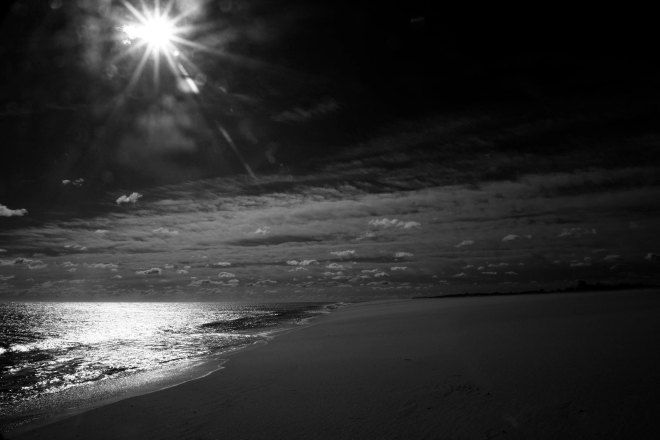
Cape Henlopen, black & white.

plover1

Semipalmated plover.

IMAG0979[1]Putting a floor in the trailer.

IMAG0981[1]Finished floor.

IMAG0983[1]With furniture.

While I was still in Delaware, Lise bought us a house in West Lafayette. Being the incredible comparison shopper that she is, it was the first house she visited. She looked at it, decided it had what we needed, and bought it. This boy can’t complain. It has space for the pool table and an “Ed Shed out” out back for woodworking. What else can you ask for? Well, maybe indoor plumbing, which the house has. So, life is good.

I came back for the closing which was on November 15 and our household shipment arrived on November 17. Our lives since then have pretty much been a nonstop blur of unpacking, arranging, rearranging, re-rearranging, assembling stuff, jettisoning stuff, and bleeding money. Things are finally settling down and we are now getting comfortable in our new home. In the state that elected Mike Pence as governor.

IMAG0001[1]Our new home.

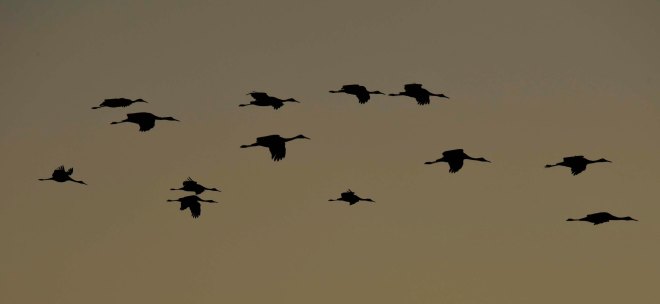
We’ve had some play time too. Like going to Jasper-Pulaski State Game Area for the sandhill crane migration. Jasper-Pulaski is one of the major staging grounds for migrating cranes in the Midwest flyway. We haven’t been there since we went with our friend Joanna several years ago. Pretty hard to not be impressed watch several thousand cranes come flying in in waves.

sandhills

_DSC2790Sandhill cranes at dusk, Jasper-Pulaski Fish and Wildlife Area.

Friday, June 21, 2019

I haven’t gotten a blog post up for a while because I haven’t been in a good position to do one. Lack of internet connectivity and working on a cell phone are frustrating at best.

Mileage wise, I am now over halfway done. I’m right at mile 1150. There is still some pretty tough terrain to be covered, in particular the White Mountains. Right now, I’m typically doing 18 – 23 mile days. That will likely drop to 10 – 15 miles days in the Whites.

As I write this, I am staying at my sister Lynn’s house in Jonestown, PA. She lives only a few miles off the trail and I’m taking advantage of that proximity. Lise is here so she can take me back and forth to the trail and I can get some miles in without having to carry everything I need for survival on my back.  Honestly, “camping” in a house with indoor plumbing, a comfortable bed, and cooked meals is kind of nice after 1100 miles.

There are various sleeping options along the AT. Benton McKay’s original AT concept was to have an inn or something similar every ten or fifteen miles. He also never thought that people would be trying to do the whole trail in one long trip. In fact, until Earl Schaeffer proved everyone wrong, it was thought impossible to do the whole trail continuously in one year.

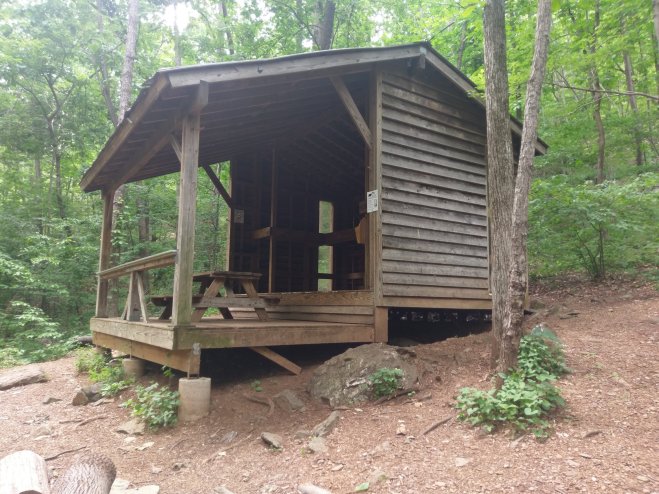
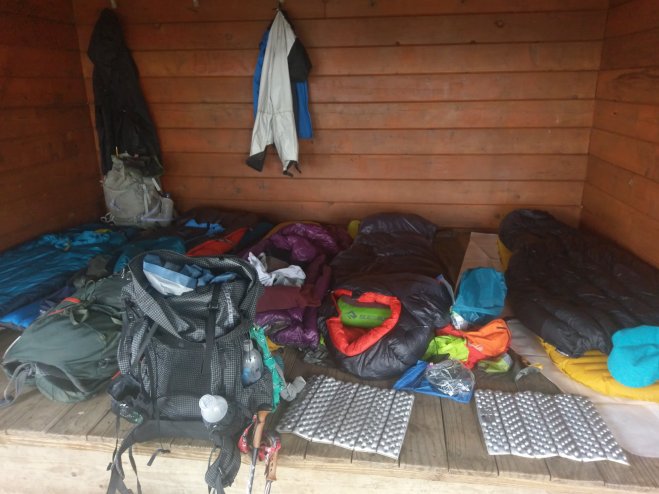
Most of the time, one either tent camps or uses shelters that are provided along the trail. The shelters can be convenient, especially in nasty weather. Most of them have an associated water source, and just as important, a privy. Most shelters have a picnic table for food preparation and if you’re lucky, some kind of overhang covering the table. Shelters run the gamut from a simple lean-to hut a couple people can sleep in, to double-decker stone buildings. The Tumbling Run shelter in PA consists of two buildings, one labeled “snoring”, the other “non-snoring”. There’s also a nice pavilion with a picnic table for cooking and eating. The volunteer caretaker puts fresh flowers on the picnic table almost daily. Capping off everything off is the privy. It’s large, bright and airy, with multiple rolls of toilet paper on dispensers, air fresheners, and hand sanitizer. A real first-class operation. I actually pressed on a few extra miles just to stay at this shelter.

imag0303-12430724988797580846.jpgA shelter in the Smoky Mountains.

imag05981221609160141914738.jpgA shelter in Tennessee (I believe).

IMAG0398The Overmountain Shelter, a barn converted into a shelter.

IMAG0397The view from the Overmountain shelter.
imag02776704702971360772458.jpg

imag0283-28912653311899116860.jpgCrowding into a shelter because rain is coming. It can get quite cozy which is why some hikers opt to tent even when at the shelters.

imag04616919276479022888968.jpgPonies in the Roan Highlands checking out a shelter for handouts.

Most thru hikers opt to tent camp, even when at the shelters. Tenting has several advantages over shelters. Where allowed, tenting is obviously more flexible than relying on shelters. You’re not tied to the location of a shelter. All you need is a flat spot with minimal rocks and roots to set up your tent.  Since most shelters have one open side, in cold weather a closed-up tent is usually warmer than a shelter.

imag02427533834482018569405.jpgMy little home away from home.

Tenting also reduces the likelihood of interactions with wildlife of the vermin variety. Where people with food congregate, mice also tend to congregate. It’s not uncommon for shelters to have mice and the smart person hangs their pack instead of leaving it on the shelter floor during the night. And, in a demonstration of the food chain concept, where mice tend to congregate, snakes also tend to congregate. One shelter I slept in had a black rat snake sleeping in the rafters when we went to bed. It was gone in the morning. Not sure where it went but at least it keeps the mice in check. Other reasons to opt for tenting. even when at a shelter, include more privacy, less noise, and the tendency of some shelters to be shall we say, aromatically challenging. I both tent and use the shelters, depending on circumstances. If the weather is wet and nasty, or there aren’t any good tent sites, I’ll use the shelter. Otherwise I tent.

IMAG0647The black rat snake in the rafters. He was there when we went to bed, but gone in the morning.

IMAG0587Looking at the rain from inside a shelter.

Hostels are another sleeping option. I had an idea of what hostels were, but before hitting the trail I had never used one. Turns out, hostels are an integral part of the AT experience. I don’t think anyone thru hikes without using a hostel sometime. When the ugly weather comes rolling in, the hostels fill up.

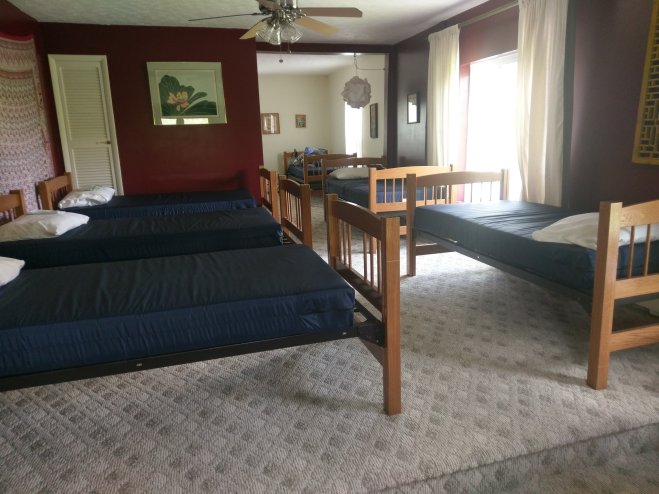
As with anything, there’s a whole gamut of quality, cleanliness, and atmosphere associated with hostels. Some are little more than bunk rooms with a small common area, maybe some cooking facilities, and port-a-potties. Essentially, they get you out of the rain. Some offer a shuttle service for slack packing. They will take you some day hike distance up the trail and drop you off, and you hike back to the hostel, without having to carry a full backpack. Most hostels have some form of food and fuel resupply available. Some offer food, usually frozen pizzas and the like. Others, like Mountain Harbour, have a food truck to serve grilled foods, and serve a gourmet breakfast buffet that rivals anything I’ve had at high end hotel.
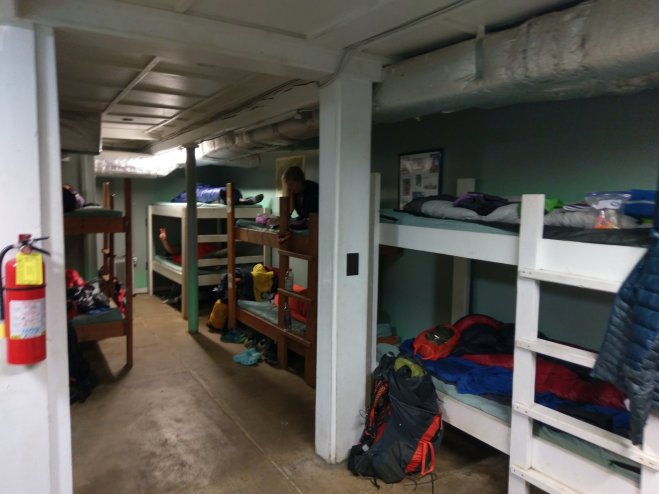
imag0255-16174924342979036480.jpgBunk room at Neel’s Gap hostel.

The vibe at Standing Bear and Uncle Johnny’s hostels is distinctly commune, with some cult overtones. Think Hotel California. People check in, but don’t check out. When I was there, both of them had “hikers” that obviously had no intention of checking out.

imag03392031447422580703472.jpgStanding Bear Hostel

imag0369-15812053818061608899.jpgUncle Johnny’s

imag03701039948068771472268.jpgPainting a mural at Uncle Johnny’s.

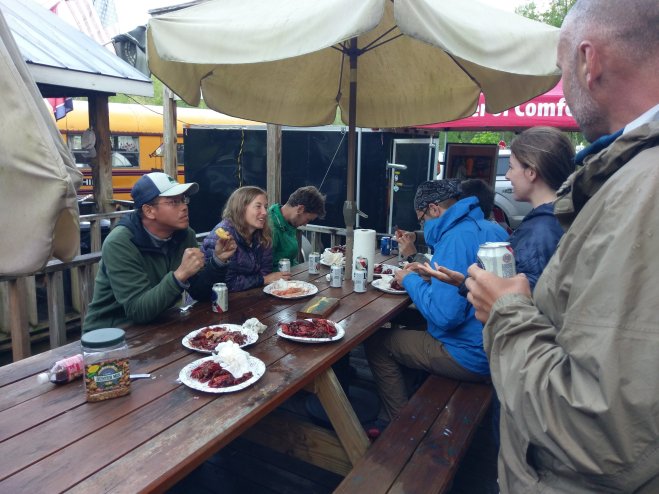
imag0382-11867665513447925867.jpgUncle Johnny’s lowcountry seafood boil.
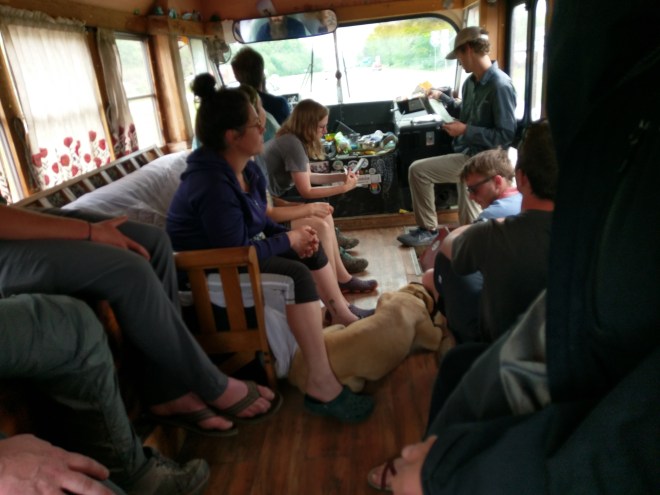
IMAG0371Riding the shuttle from Uncle Johnny’s to Walmart, an old bus converted to a camper. No seat belts or other safety restraints. Probably one of the most unsafe things I’ve done on the trail. The bus stopped suddenly and the three of us standing in the back went airborne.

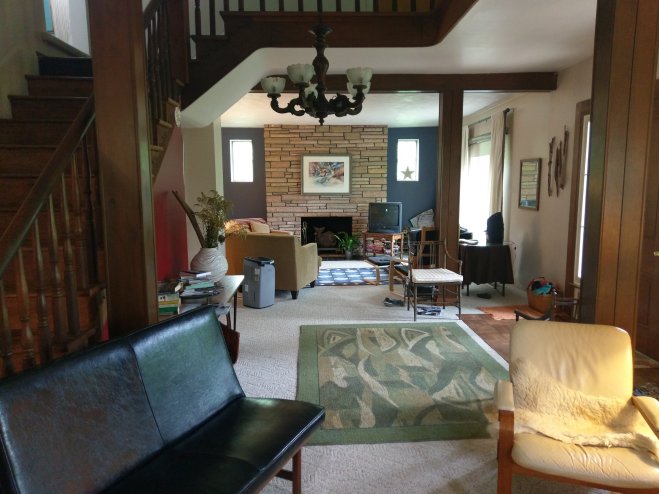
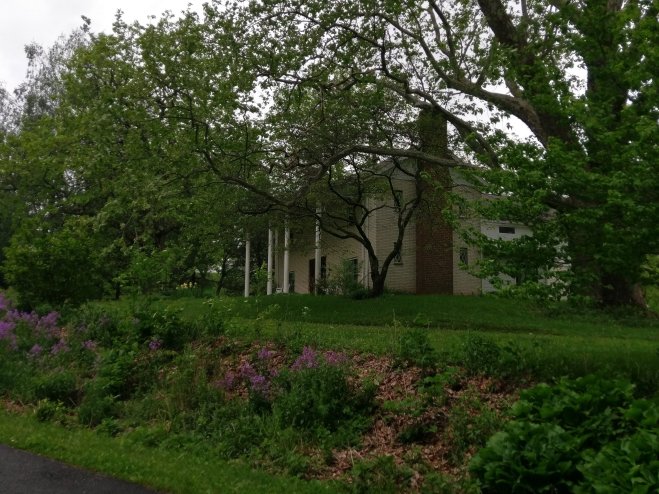
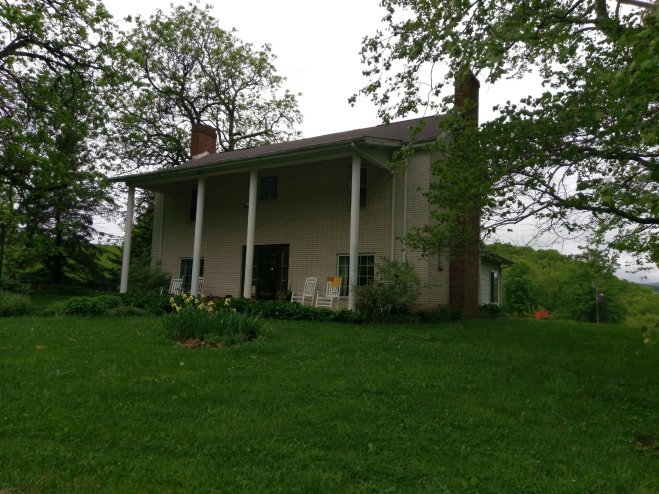
Other hostels, like Harbour House or Quarter-way hostel have a distinctly homey vibe about them. Both are converted farms. The hostel side of Harbour House is a barn converted to a bunk room, with a couple bathrooms and a nice kitchen and eating area. There’s a small store for resupply, a food truck for grilled foods, a goat, a couple cats, and a gourmet breakfast served in the farmhouse B&B. Hikers will camp nearby and come off the trail just for the breakfast. Quarter-way is a converted 1911 farmhouse and you feel like you are in someone’s living room. And they serve a great breakfast with apple butter, jams, and jellies made from fruit collected on the farm and honey from the farm’s beehives.
imag04898620460565800865897.jpg

imag04883002083514229726342.jpgThe Quarter Way hostel.

imag0482-16362881922597414210.jpgQuarter way hostel bunk room. They also have individual private rooms.

imag0490397260359482375124.jpg

imag04911908377784909254149.jpgCommon area in the Quarterway hostel.

imag04407370963850043778928.jpgThe indoor cats that are part of the Mountain Harbour hostel bunk room.
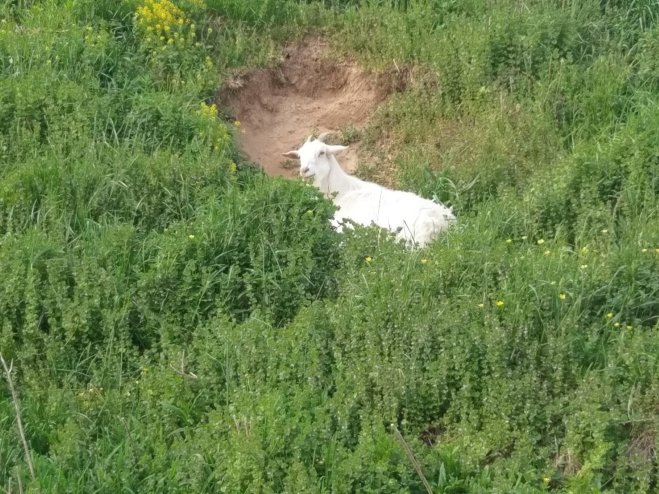
imag0437-13625682313762931539.jpgThe outdoor goat that is part of the Mountain Harbour hostel.

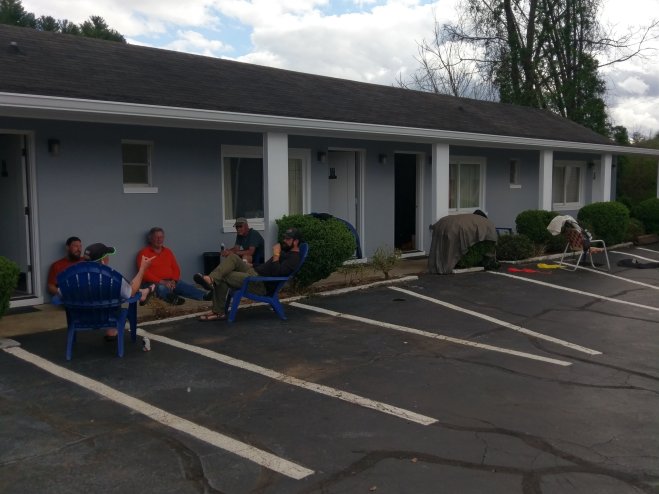
Motels are another sleeping option. Typically, these are used when you need to go into a town for resupply or you are near a town and the weather is nasty. Hikers tend to the more affordable motels, and the ones that don’t mind that you hang out tents and sleeping bags to dry. Really good hiker motels will have a hiker box, where hikers leave unneeded gear or food for other hikers to use.

imag0268-12374131660219601002.jpg

imag02675570662610301332723.jpgTypical scenes around a hiker motel in Franklin, NC.

IMAG0556Hiker box, where you leave things you can’t use and take things you need.

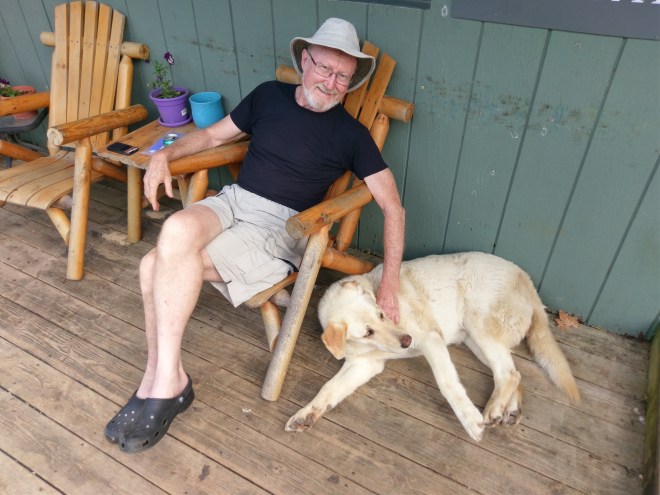
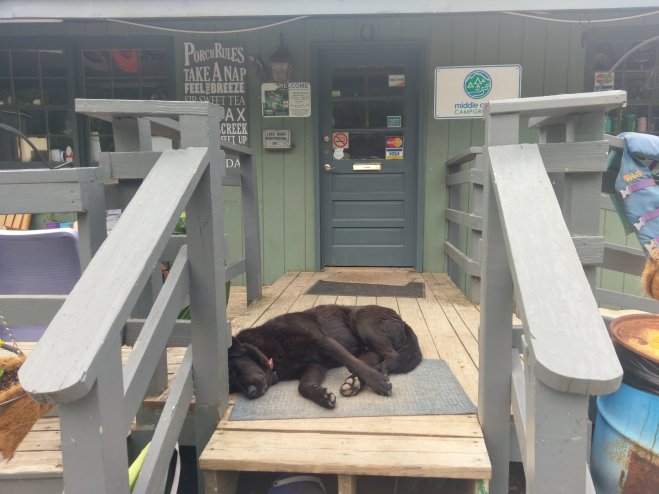
There are sometimes other sleeping options, such as commercial campgrounds. Usually they have a general store where you can get grilled food or some resupply items. I used one once, when it was ungodly hot and my hiking partner decided we needed showers.
IMAG0566

imag05687630252836559651487.jpgThe dogs at the Middle Creek Campground general store. They weren’t much into moving.

But I think my favorite camping option was Devil’s Backbone Brewery. They have a free campground for hikers that includes showers and charging stations for cell phones. And they make really good beer.  We happened to hit when they were having a music festival. Free camping, showers, great beer and food, games, and smores made with bacon, Ghiradelli chocolate, and bacon infused marshmallows. Life doesn’t get much better than that.

IMAG0588Music festival at Devils Backbone Brewery.
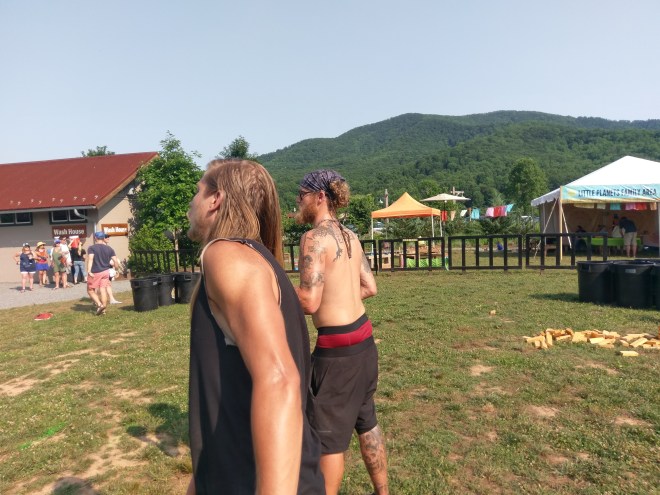
IMAG0589Hikers playing lawn games.

IMAG0590Smores made with bacon, Ghiradelli chocolate, and bacon infused marshmallows. Can’t go wrong with that combination.