Saturday, September 25, 2021

Delaware II

We are back in West Lafayette from our back east road trip. After we did our Lewis and Clark stops in Pittsburgh and Harpers Ferry, we headed to Delaware for some fun. The usual stuff like kayaling, birding, chasing dragonflies, and hitting the ocean. And eating fresh seafood Like crabs and oysters just out of the water. I don’t eat clams and oysters in the Midwest. Sure, with modern shipping methods and the interstate highway system they can get the beasts here within a day of coming out of the water. It still ain’t the same. Sorry, but no. I want my filter feeders fresh.

Been so long since we were there Shelob started guarding the kayaks.

The birding was good. We filled in some gaps of species we should have already seen this year. We also got a few unexpected species, notably roseate spoonbills and black-bellied whistling ducks. Both were very out of range. The spoonbill is a southern coastal bird, and the whistling duck is normally southern Texas coast and Mexico. These particular ducks have spent the summer at a subdivision stormwater retention pond. Not very classy birding. You drive up and there they are. At least it didn’t smell as bad a garbage dump or a sewage treatment plant, both of which we have birded at.

Black-bellied whistling duck. The field guide said they are “unmistakable”.
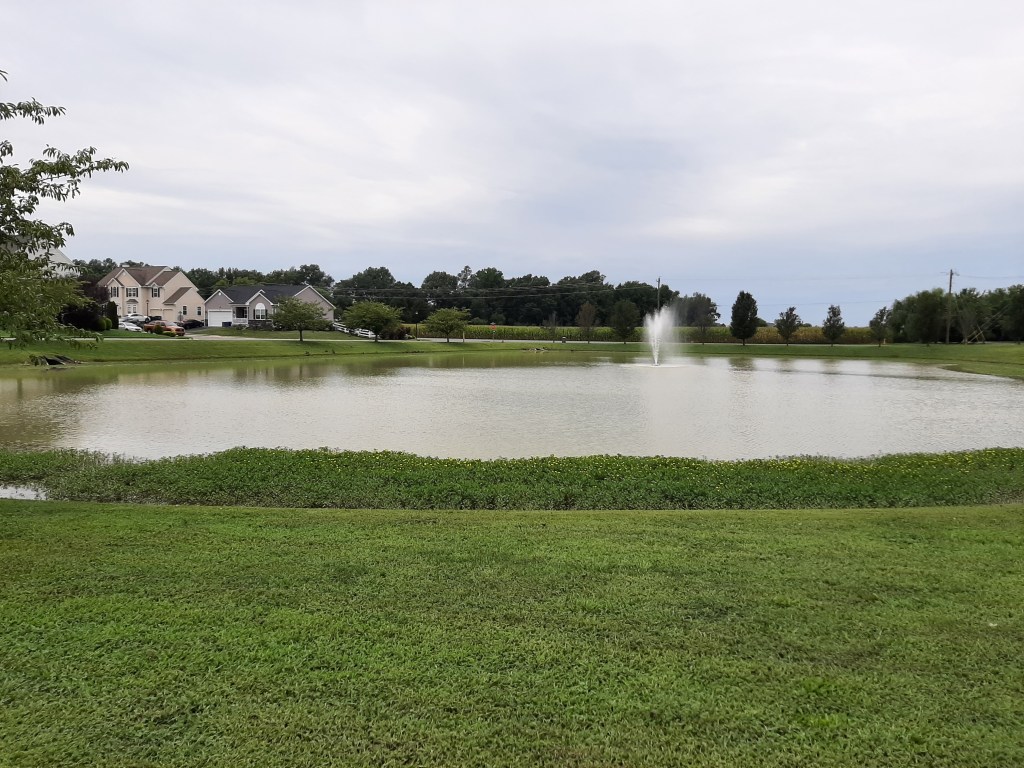
The retention pond where they have been living. Not the classiest, birding but it was another species for the year.
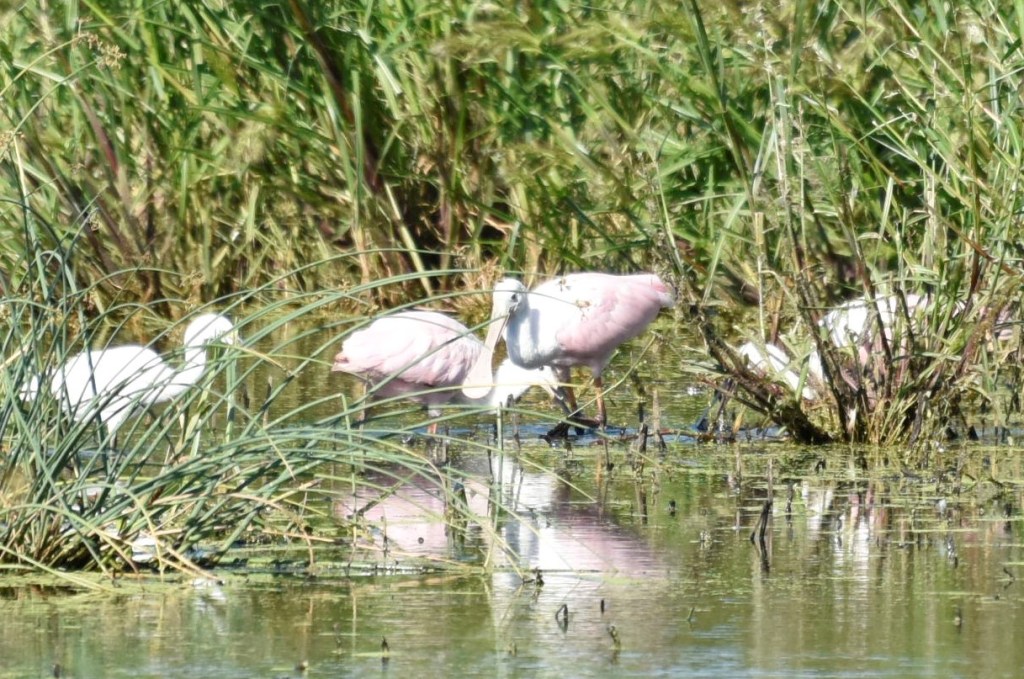
Roseate spoonbills visiting from Florida. At least these were in a wildlife refuge.

Spoonbill Paparazzi.
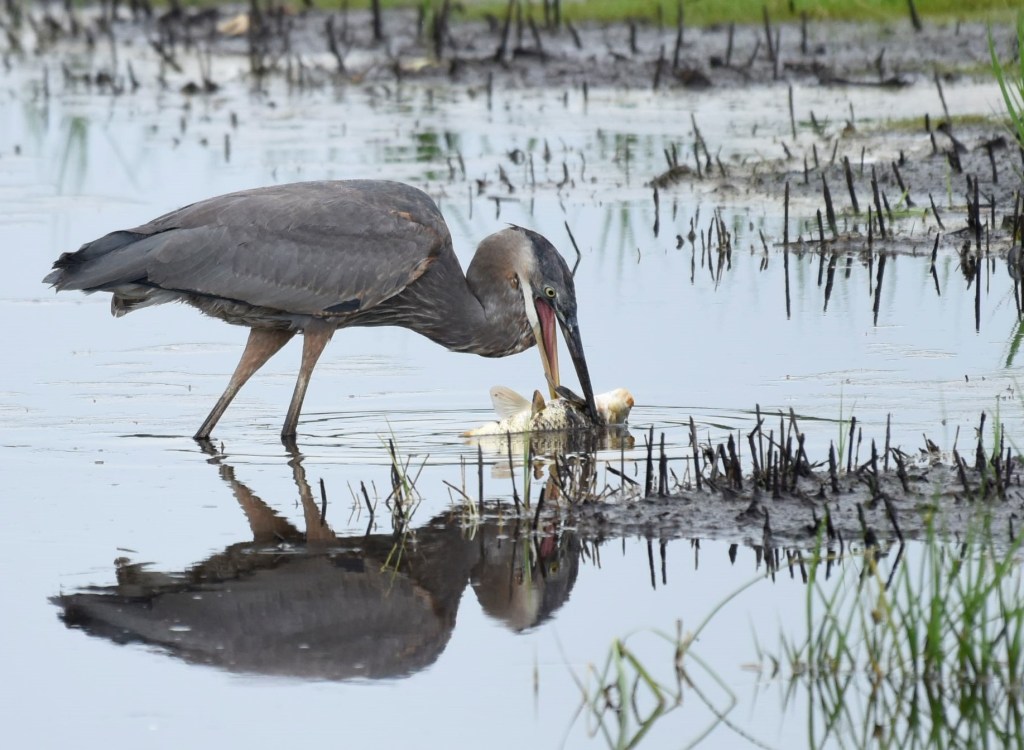
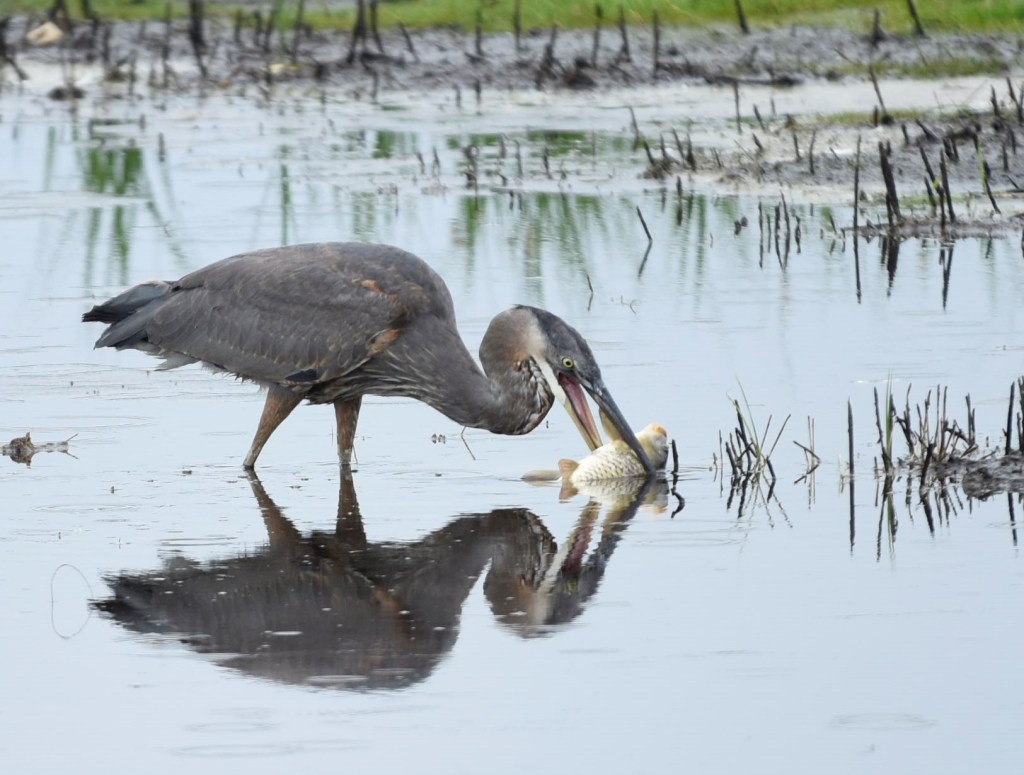
Great blue heron trying to take a carp. It didn’t work.

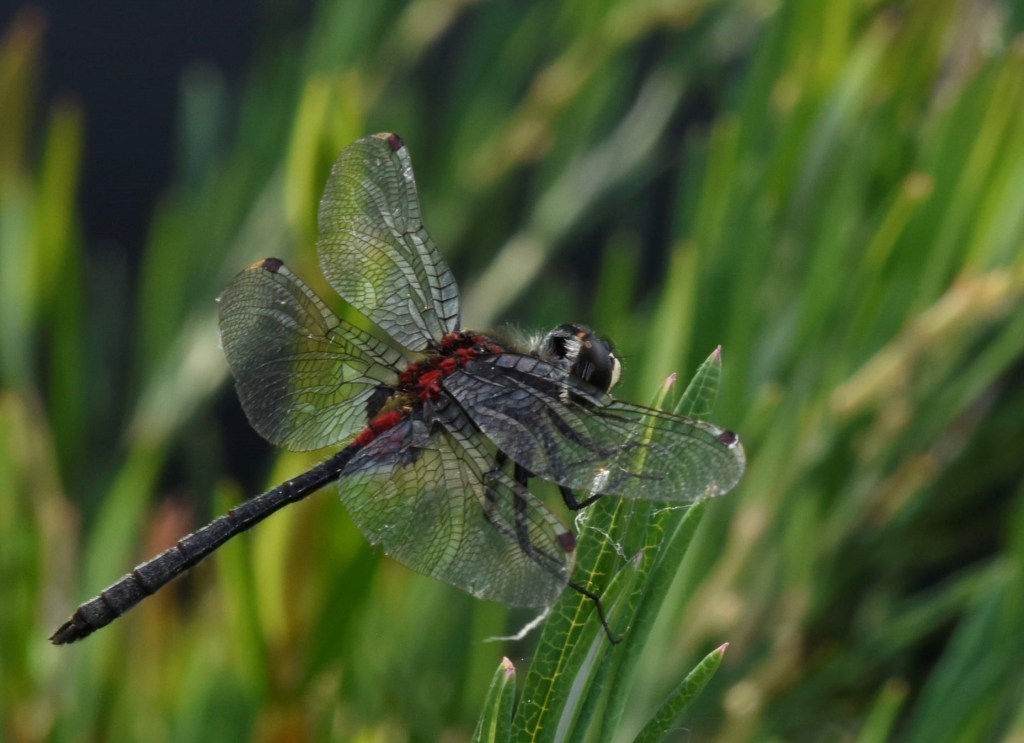
I got two new dragonfly species too. Needham’s skimmer and great blue skimmer. The Needham’s skimmer is a species of the Atlantic coast, going down into Central America. Common in the right habitat along the Atlantic Coast but not something you will see in the cornfields of the Midwest. Unlike the Needham’s skimmer, the great blue skimmer is found here in Indiana. There’s a good chance that I have seen it before but mistook it for a slaty skimmer.

Needham’s skimmer.

Great blue skimmer.

Slaty skimmer.

Eastern pondhawk.
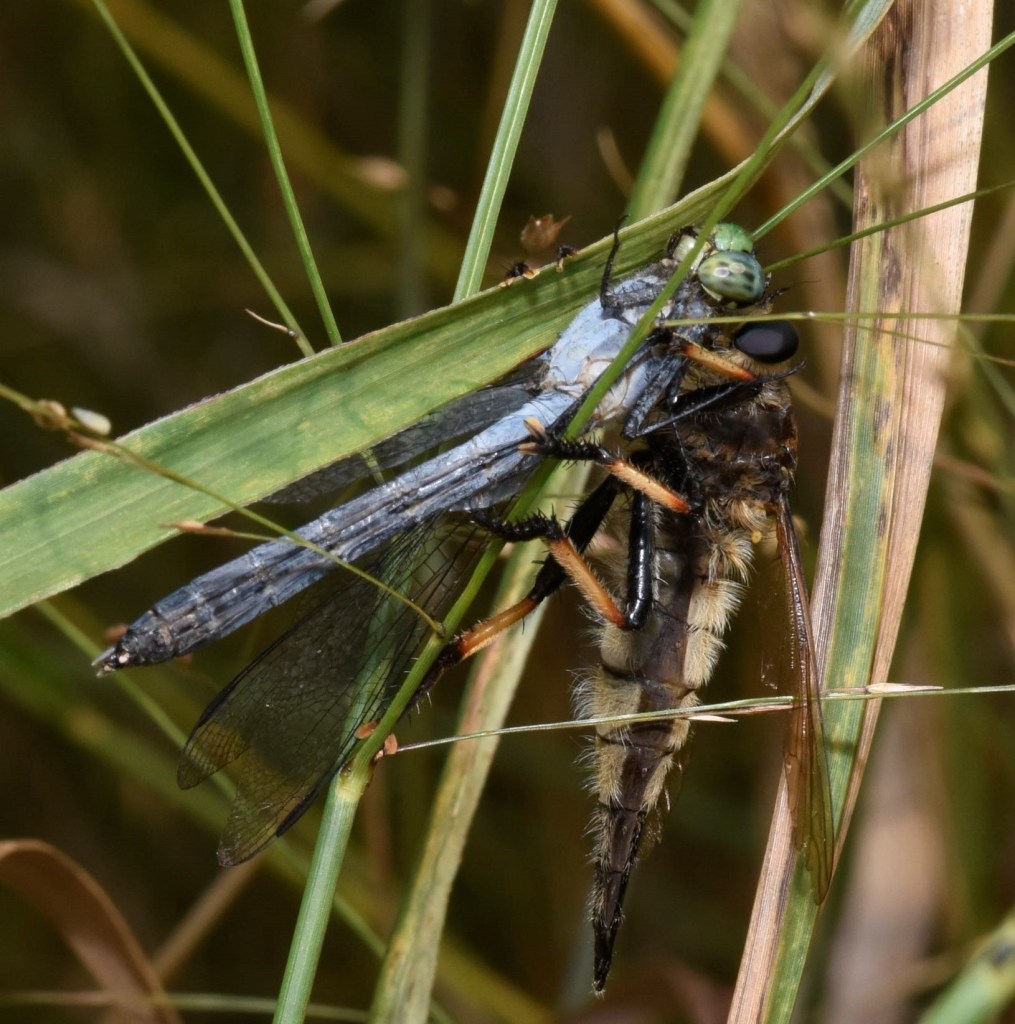
Having a really bad day. A dragonfly being sucked dry by a wasp.

You could tell the summer season was winding down. Some of the passerine species we saw in the spring had had already headed south. The shorebirds we saw migrating north in May made it to the arctic tundra, nested, reared their young, and were in the middle of their southern migration when we saw them this trip. There were not a lot of dragonflies to be seen, and most of those I saw were ragged.
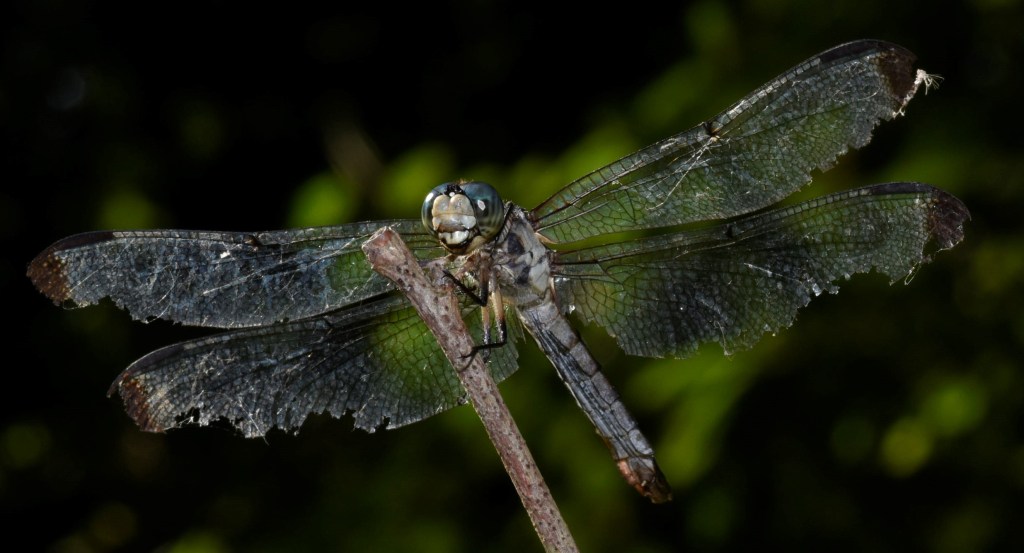
I believe a female great blue skimmer that has seen better days.

We also spent a couple nights with Molly and Mitchell in Philly before heading back to Indiana. All in all, Philly is a lot more fun than West Lafayette. The Midwest cost of living is way less than Delaware or Philadelphia, but you get what you pay for. You’re not going to find a one stop shop for accordions in West Lafayette. OK, maybe that’s a point in West Lafayette’s favor. To quote Gary Larsen’s The Far Side cartoon, “Welcome to Heaven, here’s your harp. Welcome to Hell, here’s your accordion”.

Liberty Bellows accordion shop.

If you’re interested in U.S. history, in particular Revolutionary War era history, Philly is a great place to be. You can just wander around absorbing it all. This trip we went to the Museum of the Revolution, which has among its many artifacts, George Washington’s battle tent. Not a replica, the actual tent.

Philly is also a great place to eat. Not particularly healthy eating, but really, really good eating. Where else can you get an appetizer of Philly cheesesteak eggrolls. Philly cuisine doesn’t “stick to your ribs”, it lives in your aorta.

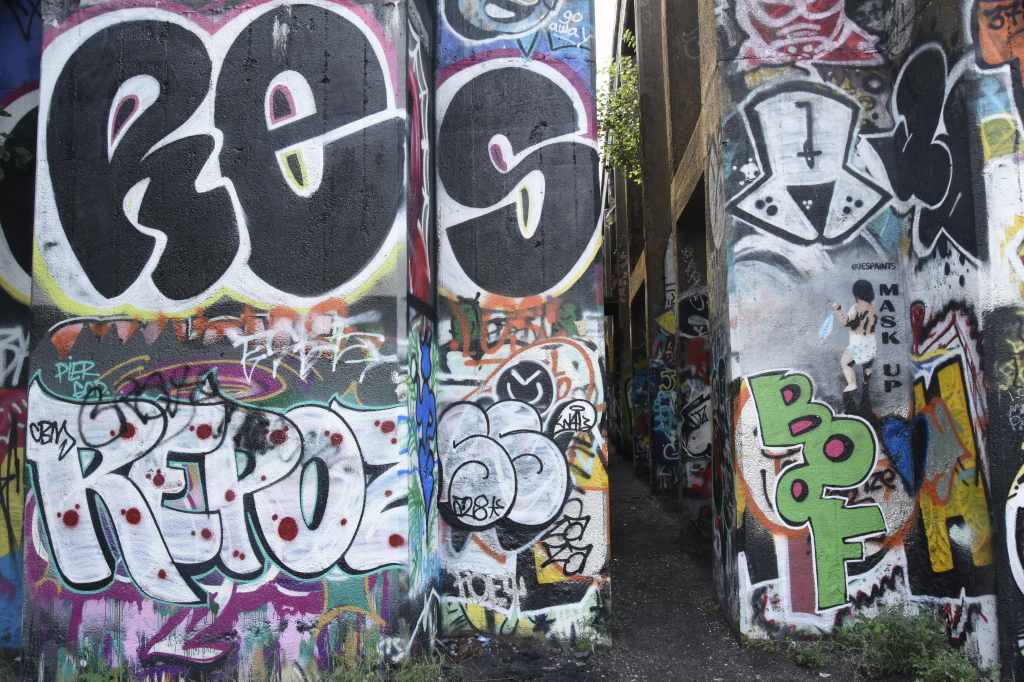
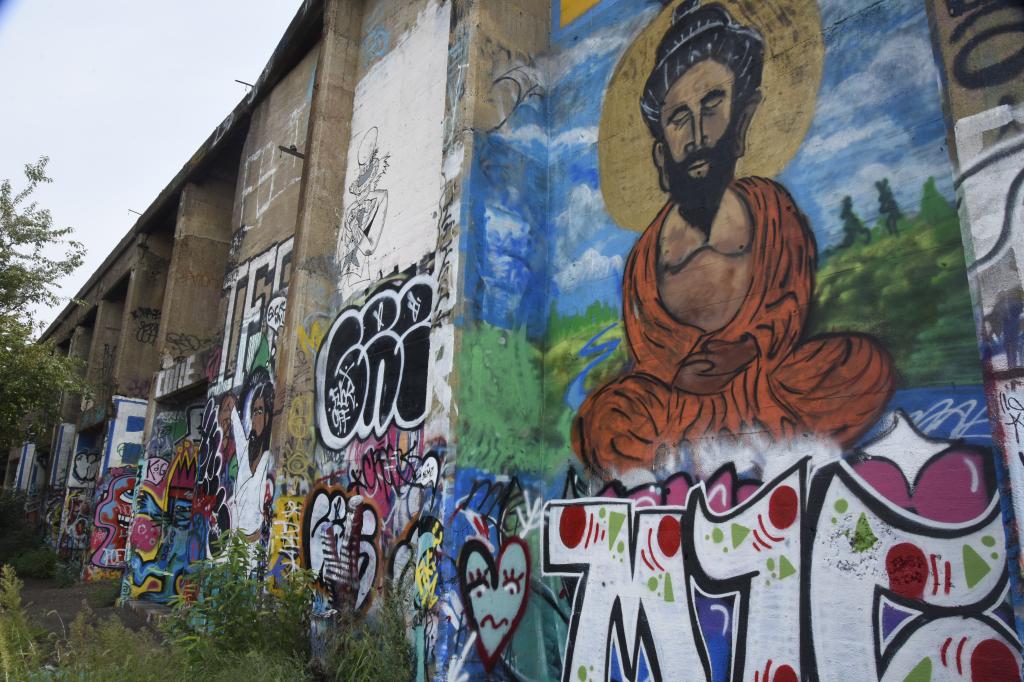
In addition to soaking up history and packing our arteries with lard, we had a couple new Philadelphia adventures. First, Molly took us to a graffiti park, A completely unstructured, unofficial park, and quite impressive. This graffiti park is an abandoned coal loading pier along the Delaware River. It’s completely hidden from sight in a somewhat sketchy looking area. You walk around a gate and follow a well-used trail through some woods then suddenly, wham, there it is. The structure itself is interesting but the graffiti is amazing. There’s the usual junk you might see in a city alley, but there is also some impressive work. Something someone had to put some time and planning in to. Some are high off the ground. Either someone humped ladders back there or they climbed the structure and rappelled down.

I do not condone vandalism, but this is something different. Somewhere a threshold was crossed that moved it from your run of the mill vandalized alley wall tagged with gang symbols to something interesting. It’s not art with a capital A, but it’s but it’s sure fun to see. Apparently, I’m not the only person that likes the place. An article from a couple years ago said it’s the most tagged place in Instagram posts from Philly. A huge development of 1100 townhomes and condos is being built right by the park. I can’t help but feel that a gentrified population is going to want something “done” about an unstructured and unofficial park. Pity.
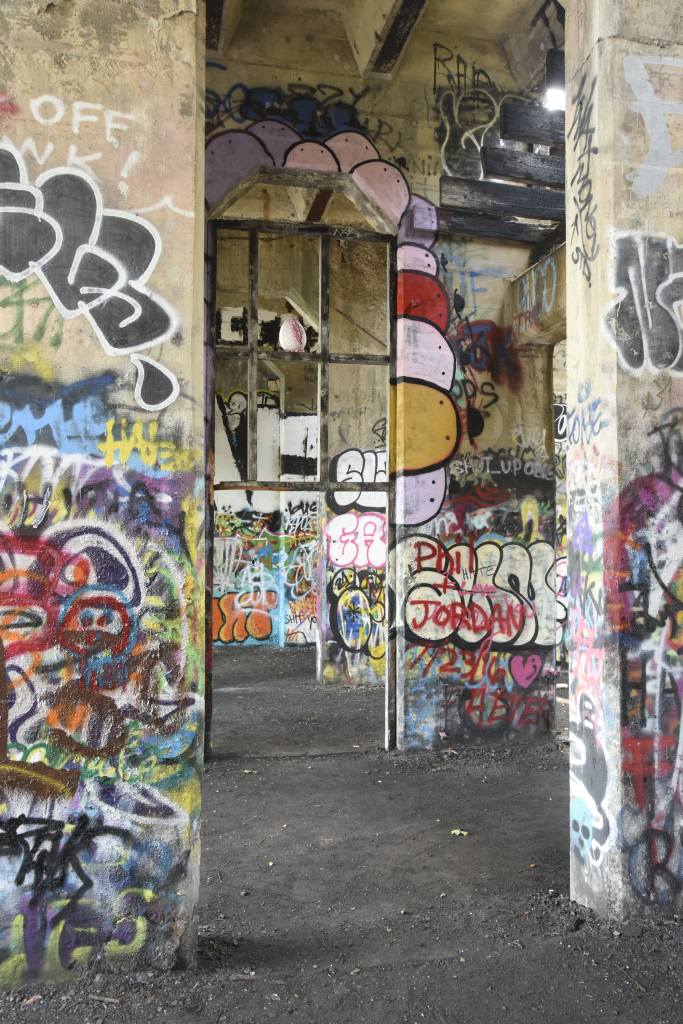
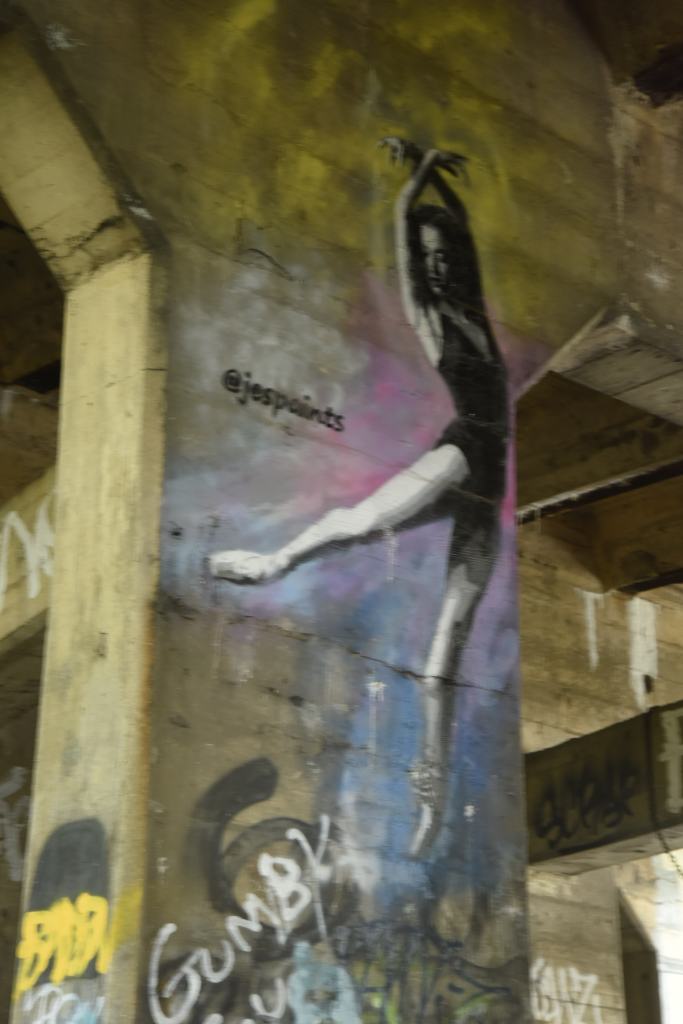
A graffiti sampling. Unfortunately the dancer was in a darker area so I had to shoot handheld at a very slow shutter speed. The painting is much sharper than my image.

The other interesting little adventure was seeing the Hu, a Mongolian rock/heavy metal band. They use traditional instruments, sing in Mongolian, and do throat singing. Can’t get much more interesting than that. One of their songs has over 68 million YouTube views. Not bad considering Mongolia has a population of just over 3 million. They were playing at a small venue a block from where Molly and Mitchell live. We walked there. First live music event we have been to since COVID and it was great.

A couple cell phone photos in a dark concert hall. I have a video clip that captures the energy of a Mongolian rock band but apparently my WordPress blog account does not allow videos. I need the “Premium” plan. Check out the Hu on Youtube to get an idea of what they sound like, Then picture them in a small concert venue.

Saturday, September 11, 2021

Greetings from the Smith-Donovan trailer park in Lewes, Delaware. We are in the middle of a little road trip to see Molly, do some birding and photography, and do a couple more stops on our Lewis and Clark tour. And there’s always some work to be done on the trailer. That’s a given.

We did a two-day trip here so we could hit a couple more Lewis and Clark spots. This time it was Harpers Ferry, West Virginia, and Pittsburgh, Pennsylvania. Arriving just hours after hurricane Ida dumped massive amounts of rain on the area.

When last we left our intrepid explorer, Meriwether Lewis had gone to Philadelphia and Lancaster, Pennsylvania, to meet with various experts in fields of study required for the expedition. And to purchase supplies. Lots of supplies. But the Philly and Lancaster trip came in between two trips to Harpers Ferry.

The reason for the Harpers Ferry visits was the U.S. armory located there. At the armory Lewis acquired the expedition’s arms as well as spare parts and ammunition for those arms. In addition to arms acquisition, he worked with the armory craftsmen to build a collapsible canoe of his own design. The canoe had an iron frame that could be covered with hides and the hides sealed with tar and pitch. The canoe worked well when tested at the armory but unfortunately, failed when they needed it later during the expedition. Sort of like a new cell phone. Everything works fine at the Verizon store, forget it when you get home.

Harpers Ferry is located at the confluence of the Shenandoah and Potomac Rivers and is loaded with history. Jefferson passed through the area in 1783 and extolled about the view from the now named Jefferson Rock. George Washington came to Harpers Ferry in 1785 and in 1794 proposed it as the site of a federal arsenal. Given its strategic location, Harpers Ferry became a manufacturing and a transportation hub.

The confluence of the Shenandoah with the Potomac looking east from Harpers Ferry. The Potomac comes in from the left and continues eastward. The Shenandoah joins in from the right.

Jefferson Rock. From my 2019 thru hike.

The view from Jefferson Rock. From my 2019 thru hike.

Harpers Ferry is probably best known as the site of John Brown’s failed attempt to start a slave uprising prior to the Civil War. Brown’s idea was to take over the armory and distribute the arms to the slaves. The attempt failed and was put down by then U.S. Army Lieutenant Colonel Robert E. Lee, and his aide-de-camp Lieutenant J.E.B. Stuart.

Because of its strategic location, Harpers Ferry changed hands eight times during the Civil War. Needless to say, the town and armory were essentially blasted to pieces during the course of the war. The buildings in the lower town have all been rebuilt since the Civil War. Against the wishes of the white population, in 1868, Storer College was founded to educate freed slaves. The town also became a center of black tourism. In 1906, the Niagara Movement, which led to the formation of the NAACP, held a conference led by W.E.B. DuBois at the college. In 1944, FDR signed a bill making the lower portion of Harpers Ferry a national monument.

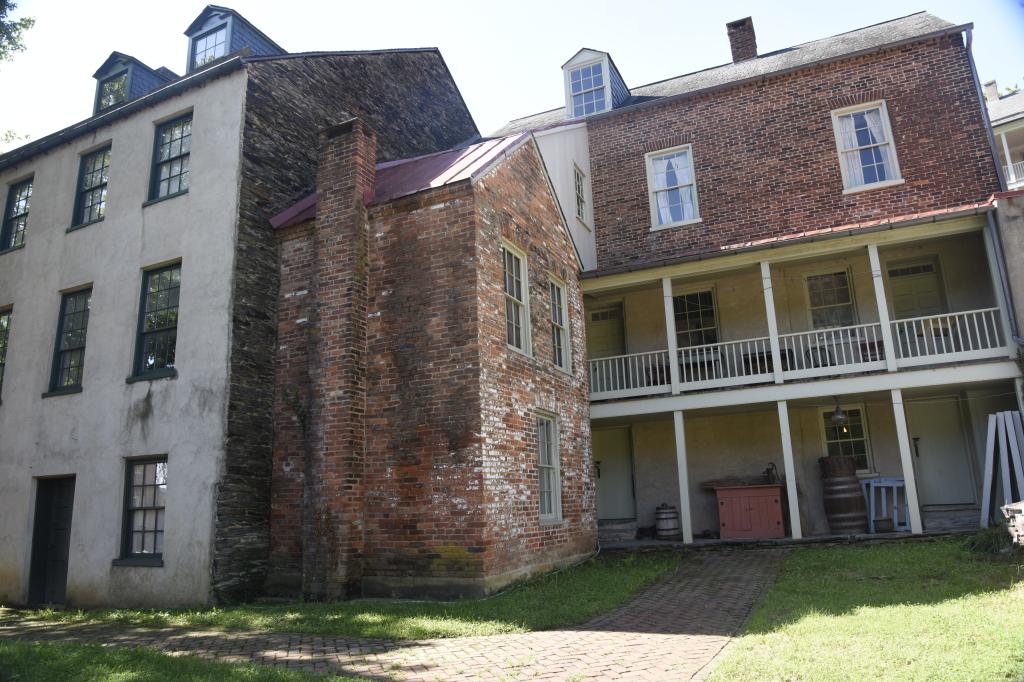
Lower town buildings.

I have a special fondness for Harpers Ferry. The Appalachian Trail goes through Harpers Ferry. It’s home to the Appalachian Trail Conservancy and was historically close to the midpoint of the AT. The current midpoint is a hundred or so miles further north in Pennsylvania. During my 2019 AT thru hike, I took a zero (or rest day) in Harpers Ferry. Leaving it, I did my longest trail day, going 26.4 miles. A marathon in AT lingo. Some people, that apparently have no reason to live, try the AT four-state challenge. You start at the Virginia/West Virginia border, blow through the couple miles in West Virginia and Harpers Ferry, hustle through the relatively flat 40 miles of Maryland, and cross the Mason-Dixon line into Pennsylvania at Penn-Mar. The goal is to do the 43.5 miles in 24 hours or less. Hallucinations after 20 hours are optional. I had zero interest in attempting the four-state challenge.

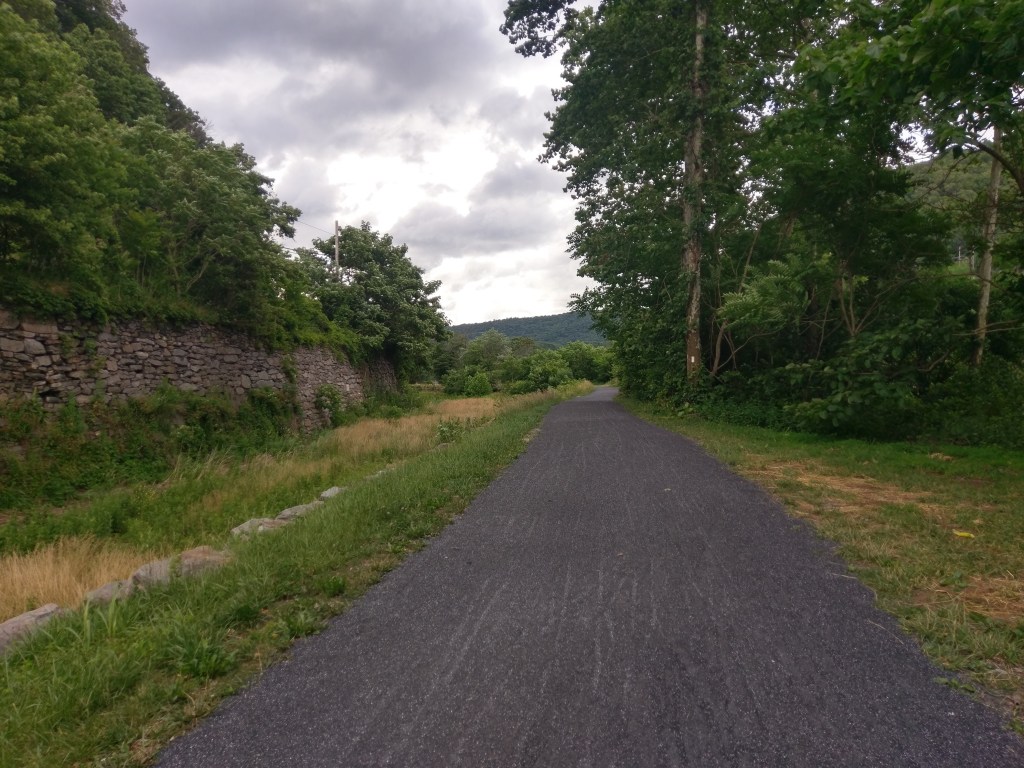
The Appalachian trail, here part of a rail-trail, leaving Harpers Ferry. From my 2019 thru hike.

After Harpers Ferry, Lewis went to Fort Fayette (A.K.A. Fort Lafayette) in Pittsburgh. One could argue that Pittsburgh is the true starting point for the Corps of Discovery.

Lewis had all his supplies from Philadelphia and Harpers Ferry shipped to Fort Fayette at Pittsburgh. It was in Pittsburgh during the Whiskey Rebellion that federal militiaman Meriwether Lewis first met federal regular soldier William Clark, and in Pittsburgh Lewis received the letter from William Clark confirming that Clark would join the expedition. Pittsburgh is where Lewis purchased his Newfoundland dog named Seaman for the then exorbinant price of $20. This is where the expedition keel boat was built and launched with the first eleven members of the expedition; seven soldiers recruited from the Carlisle, Pennsylvania army barracks, a river pilot, and three young men “auditioning” for the expedition. One of those young men was John Colter who would later go on to explore the Yellowstone area after the Corps of Discover expedition.

On August 31, 1803, Lewis and the crew started the Corps of Discovery expedition by launching the loaded keel boat and floating three miles down the Ohio River to Brunot Island. On Brunot Island Clark showed a friend his pneumatic air rifle. Not knowing how the air rifle worked, his friend accidentally fired off a round, grazing the skull of a female bystander. A couple hundredths of an inch could have made the expedition’s start a disaster.

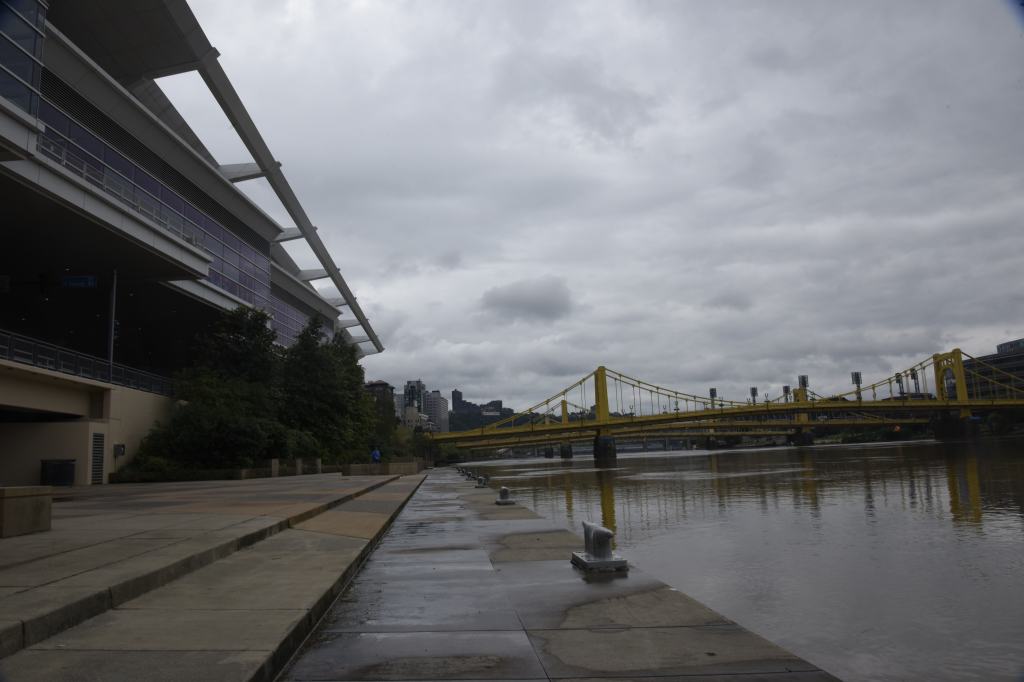
Approximate launching point for the Corps of Discovery on the Allegheny River.

Pittsburgh is located where the confluence of the Allegheny and Monongahela Rivers form the Ohio River. Isn’t Monongahela a cool word to say? Just kind of rolls off the tongue.

Allegheny River.

Monongahela River.

Looking down the Ohio River at its very start at the confluence of the Allegheny and Monongahela Rivers.

In early America, rivers were the interstate highway system, making this confluence one of the more strategically important spots in North America. Especially if you’re seriously interested in westward expansion from the Northeast. Originally occupied by the Iroquois, Shawnee, and Lenape, the first Europeans to pass through the area were Frenchmen Robert de La Salle and Martin Chartier in 1669. For the indigenous people, everything was downhill from there. From that time on, various combinations of American Indians, the French, the British, and the Americans all fought each other for control of the area. Various forts were built, laid siege to, destroyed, rebuilt, and destroyed again. The Colony of Virginia and the Province of Pennsylvania both claimed control of the confluence through their royal charters until a 1780 federal agreement extended the Mason-Dixon line and gave the area to Pennsylvania.
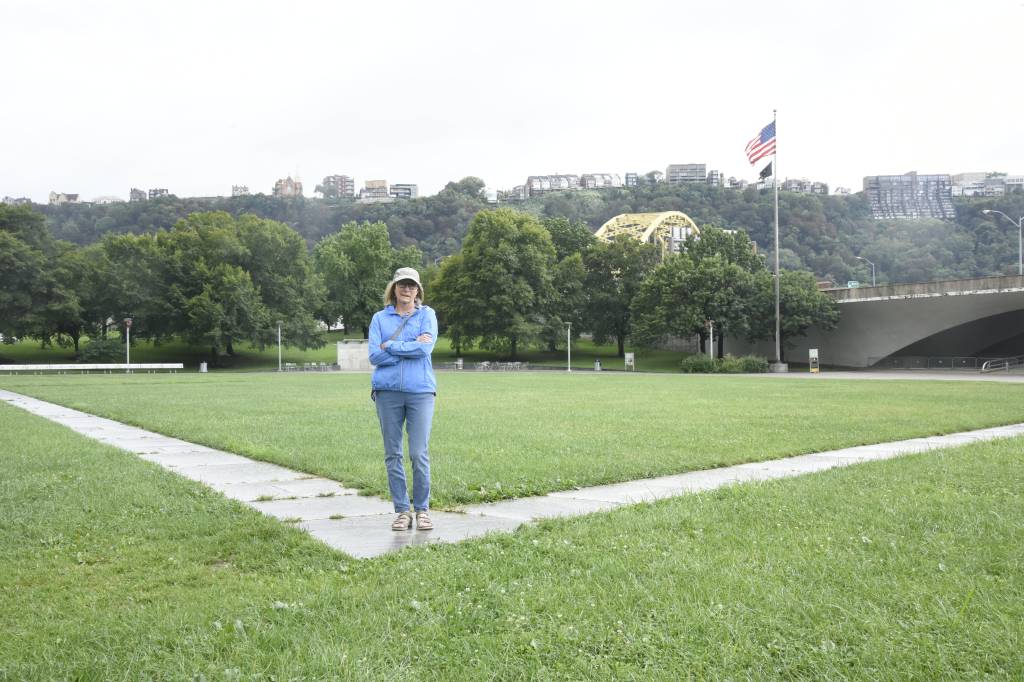
Outline of Fort Pitt.

After the Revolutionary War, Pittsburgh became the jumping off point for travel west. By the time Lewis got to Pittsburgh to start the expedition, Pittsburgh was an established city with a boat building industry to help the western expansion. Other industries followed including glass manufacture, coal mining, and of course iron production which later became steel production. The steel foundries gave Pittsburgh the nickname, “hell with the lid off”. At one time Pittsburgh arguably had the worst air of any city in the U.S. Economic changes, foreign competition, the clean air act, new technologies, and changes in attitudes led to the demise of the steel industry as it was once known. Like many eastern cities, Pittsburgh has had a renaissance and is now considered a great place to live. With over 300,000 residents within the city limits and over 2.3 million in the metropolitan area it has to be doing something right.

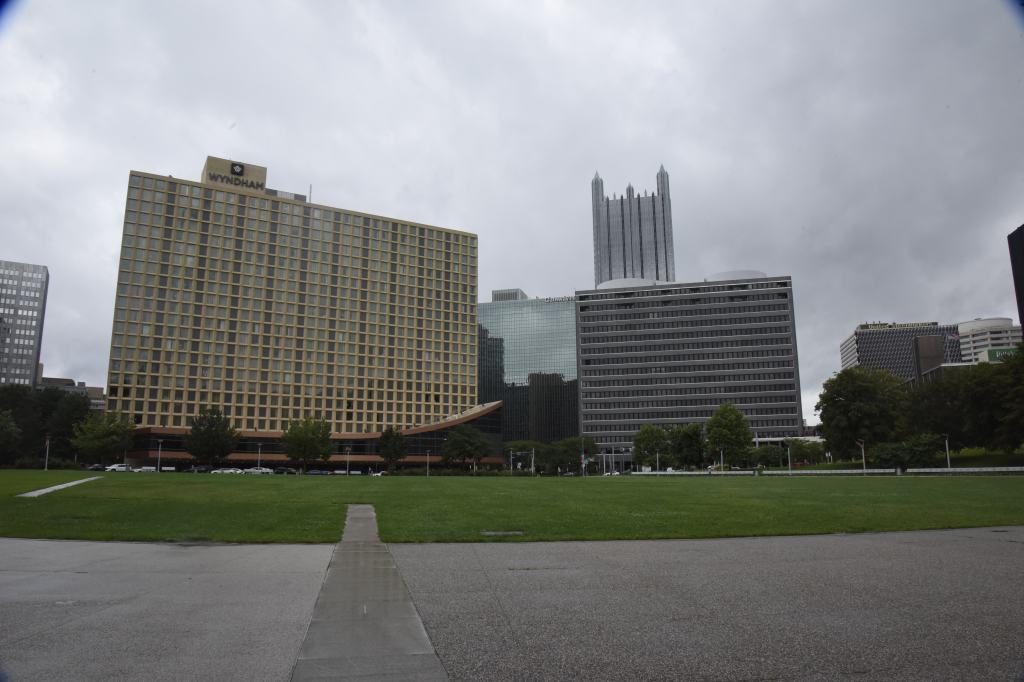
From Fort Pitt at the confluence looking into Pittsburgh.

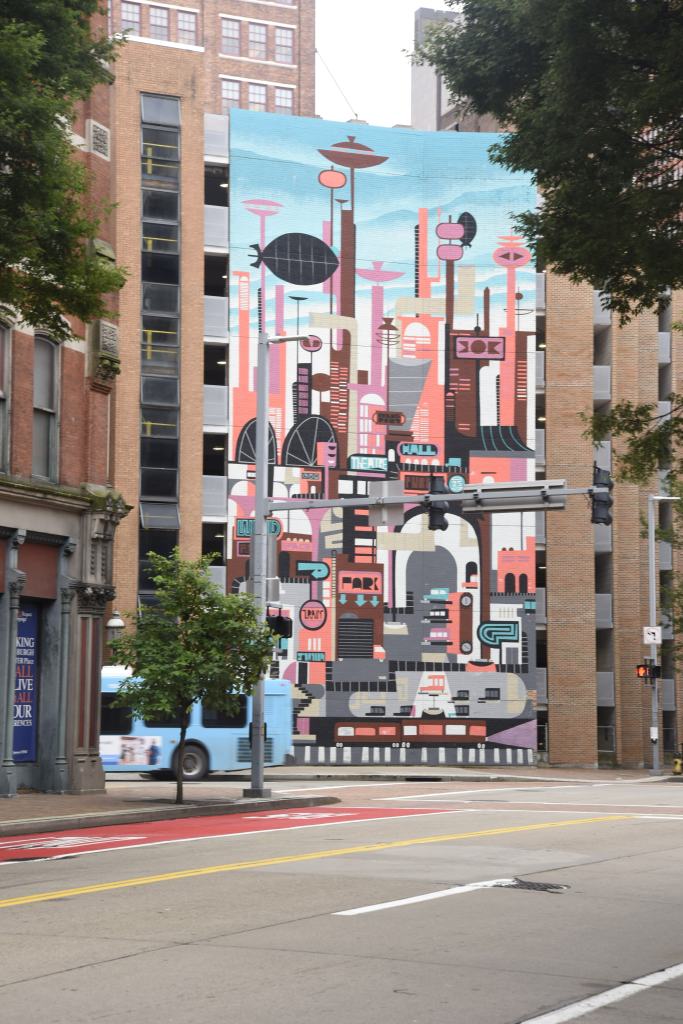
Mural in Pittsburgh.

The old and the new.

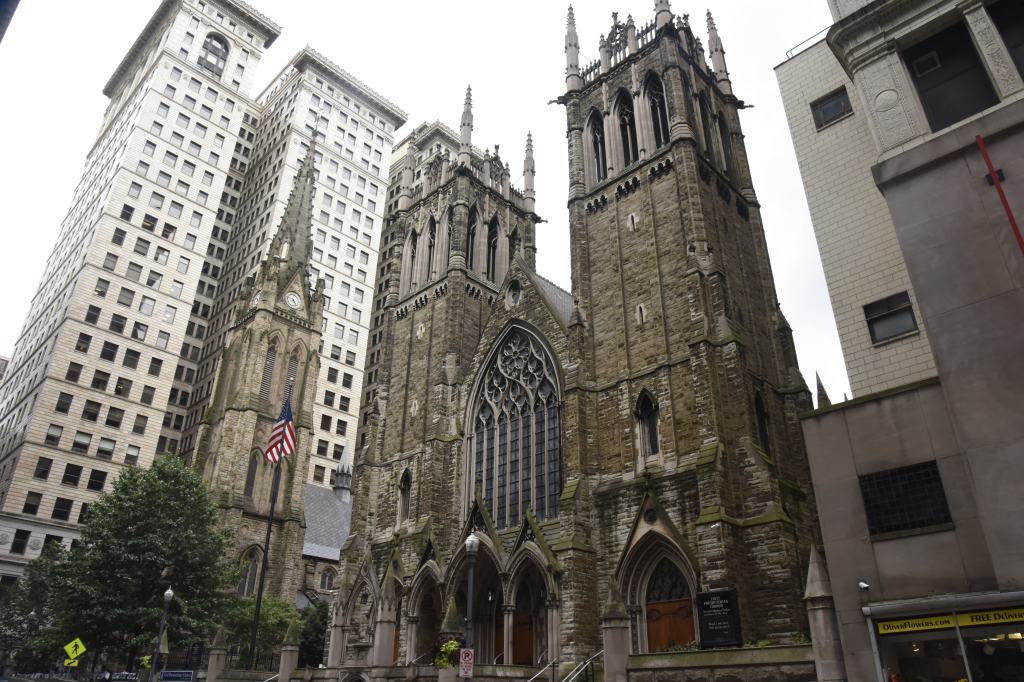
Pittsburgh Skyscraper.

Heinz Field, home of the Pittsburgh Steelers. Located at the confluence.

Friday, August 27, 2021

I have been wanting to get a blog post up for weeks, but the planets seem to have aligned against me and the muses have been ignoring me. Which is another way of saying nothing too exciting has been going on in Ed and Lise world.

It’s not like we aren’t staying busy. A few weeks ago, we did an overnight trip down to Bloomington to help a friend dispose of some woodturning equipment. Which means I now have a still disassembled lathe in the shop. Which I can’t get assembled until I get a couple other projects finished. Which I can’t finish because I have too many disassembled things in the shop.

My lathe waiting to be assembled and have a bench built for it.

Like some church pews. I came into possession of some mahogany church pews. About nine of them. When they were offered, I figured they would be some nice straight backed hard and flat Puritan-approved “you gotta suffer to get to heaven” church pews. Something I could easily turn into a bench or tabletop. Nope. These have contoured seats and backs, as well as a fifty-year collection of dried chewing gum stuck to the bottom. And every curve is different. The contour on one end of a pew is not the same as on the other end. I like a challenge but it’s going to take a little longer to make Lise’s mahogany bench than I initially predicted.

Part of the pew collection taking up what was once a parking spot in the garage.

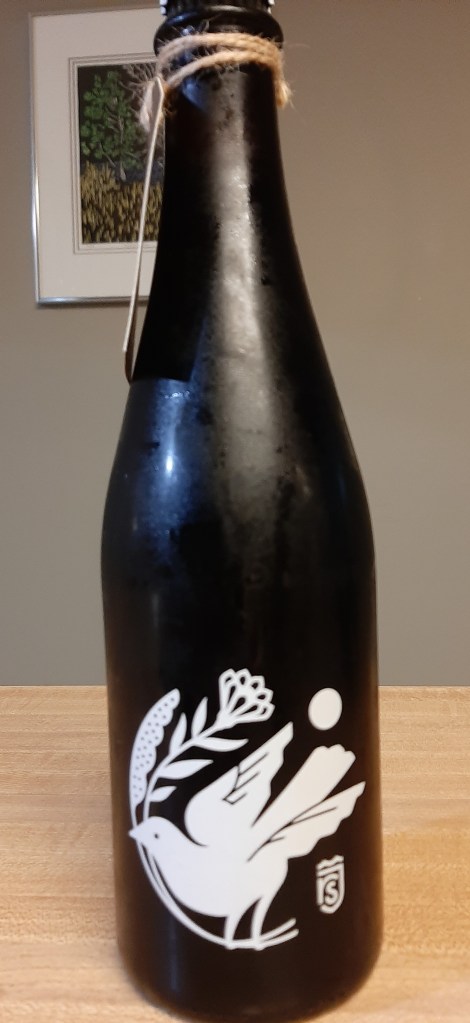
We also did an overnight trip up to Michigan to stay at a hop farm and brewery. A childhood friend of Lise’s decided to buy a farm and raise hops. Naturally the next logical step is to build a brewery to use the hops. We had a great time and if you are ever in the area of Buchanan, Michigan I highly recommend stopping by the River St. Joe brewery. All the beers are worth drinking, but the Scythe Imperial Stout is just about as good as a stout can get. And it comes in a great looking bottle.

Hop vines.

Inspecting the plants.

Hops on the vine.

Preying mantis on the hop vine.

Hop processor.

The final product. Scythe Imperial Stout from River St. Joe brewery. This is a good one that Ed highly recommends.

Birding has been slow the past weeks. We did go chasing a rarity for here. A swallow-tail kite showed up at the Willow Slough Fish and Wildlife Area, just a bit north of here. The kite is normally a Florida bird.  This one was reported to be typically seen soaring above the gun range. We did the hour trip up to the Slough, went to the gun range, looked up, and there was the swallow-tail kite. An easy twitch for the year.

On the same trip we popped over to The Nature Conservancy’s Kankakee Sands area to see the buffalo. Didn’t see any free ranging buffalo, but we did get to see an amusing sign warning of the consequences of trying to pet one of these cuddly beasts. If anyone is stupid enough to climb over an electric fence to play tag with a 2200-pound horned animal, maybe we should let them. The more stupid people we get out of the gene pool the better off we all are.

Like you need to be warned not to play tag with a buffalo.

Another fun day outing was to see the orange-fringed orchid. One of the few remaining Indiana populations is about an hour north of West Lafayette. We met some friends at the site that drove several hours up from Bloomington to see the orchid. There are other historical records of the orchid in Northwest Indiana but those are mostly corn and soybean fields right now.

Orange fringed orchid.

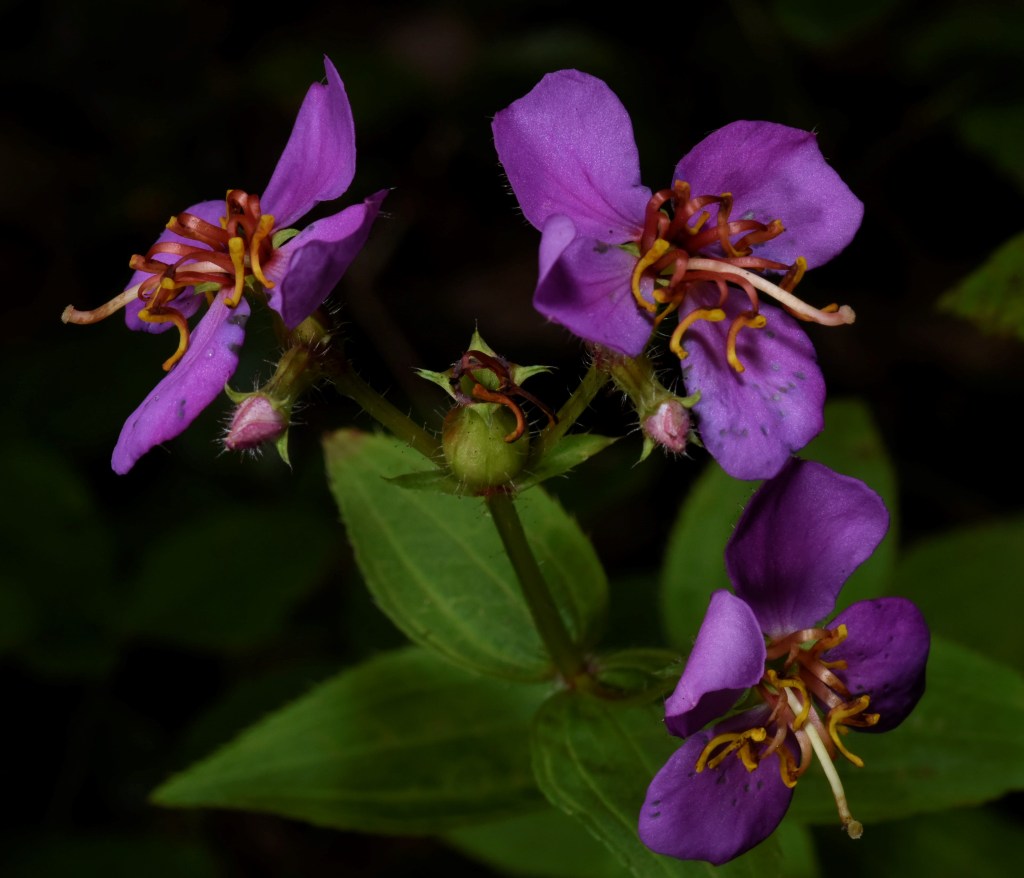
Meadow beauty, another uncommon species at the site.

Lise in part of the tall grass prairie at the site.

Between our short trips and the time suck of daily existence I haven’t gotten out much for dragonfly pictures. Only a couple times this season. Still, better than none at all.

Stream bluet damselflies.

American rubyspot damselflies.

Females from one of several spreadwing damselfly species. The species can only be identified from female specimens if you have a dead one under a microscope.

Female Eastern pondhawk.

Tuesday, July 13, 2021

We are back at home recouping from a ten-day road trip circumnavigation of Lake Michigan. Started by going back to Okemos for a wedding where Molly was a co-maid of honor. The bride and Molly have been friends since high school. They both were on the swim team and water polo teams for Okemos High School, and the MSU club water polo team. There was a strong water polo presence at the wedding. At the reception when the bouquet was thrown, in true water polo fashion, a long arm snagged the bouquet out of midair and immediately passed it to another polo player. All in one smooth motion.

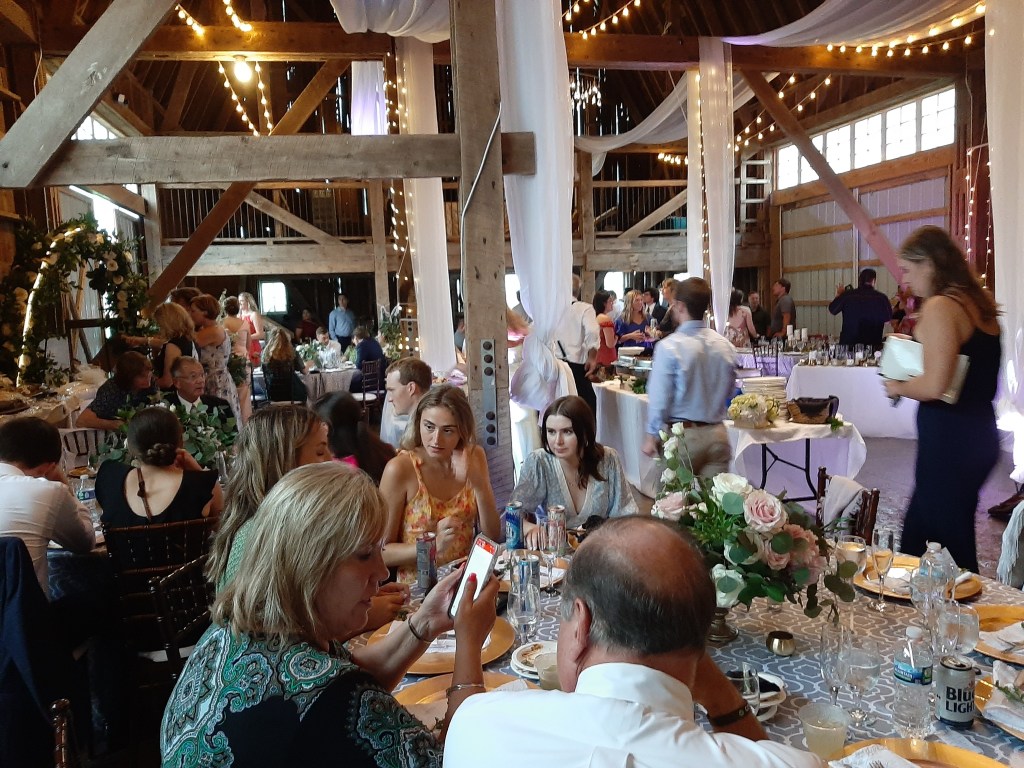
The reception was held in an old barn, in a very rural area southwest of Lansing. While waiting for the wedding party to arrive we were informed there was a nearby tornado touchdown. And we were in the tornado’s path. When I say old barn, I mean old as in a building no longer used as a barn. This wasn’t some Amish built building standing since the Civil War. The beams were more like glued together 2 X 6s. The bar had just opened so we closed the barn doors and pretended there was nothing wrong. Meanwhile, the wedding party bus had to pull over and shelter in a convenience store gas station. Probably the only time the gas station had fourteen people in formal wear, wandering around checking out the overpriced snacks and cooler drinks. When the wedding party finally arrived at the reception, we formed a double line and covered them with umbrellas so they could walk in without getting soaked.

In the barn, hoping for the best. At least the bar was open.

We spent three whirlwind days in Okemos. Meeting with friends from different facets of our life up there. Interacting with people we haven’t seen for some time. Being feted way more than we deserved. A great time, invigorating but exhausting at the same time.

From Okemos we headed up through the Lower Peninsula to Marquette, stopping around Grayling to look for Kirtland’s warblers. I think Lise and I both started floating as we crossed the Mackinaw Bridge. For six days we stayed in Joanna’s cabin on Sand River near Marquette. The cabin is one of my personal happy places and served as our operational base for Upper Peninsula exploration.

Our UP time was pretty much go, go, go, without a lot of down time. We only had one day dedicated to just playing on Sand River. Not that I minded the other activities. The UP is loaded with great places, and we really like Marquette, but time at the cabin and on the river is special.

Lise on Sand River.

Afternoon float down Sand River.

A bog near the cabin and river.

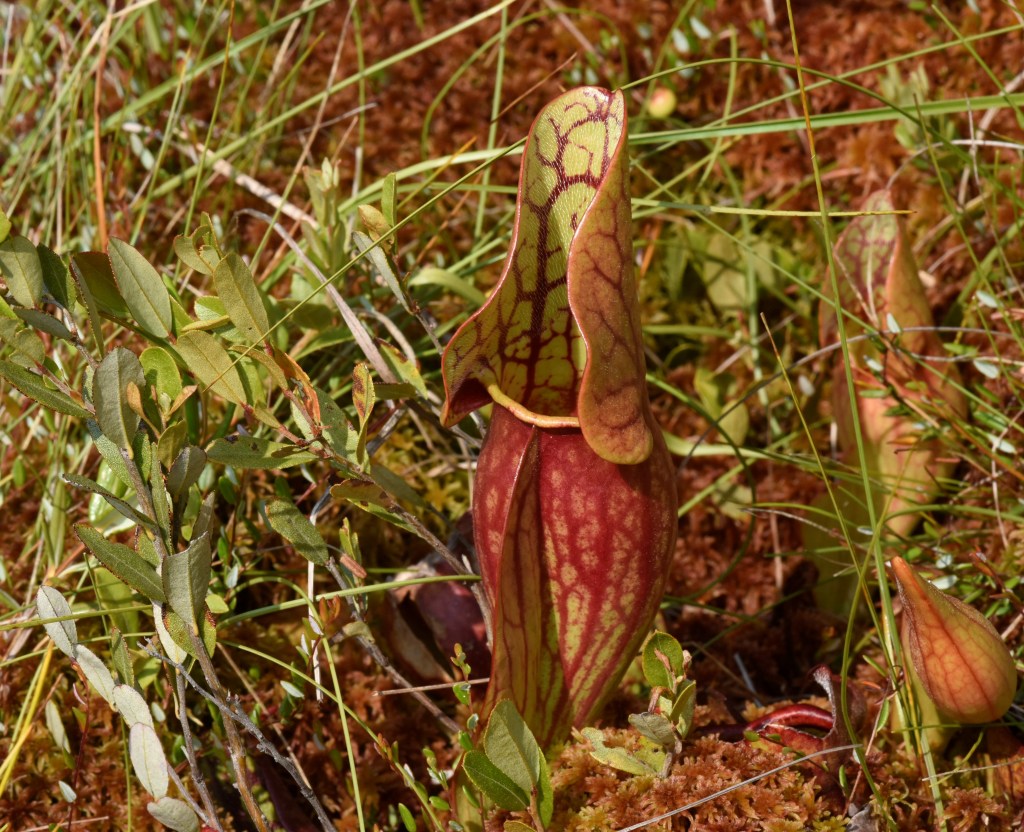
Pitcher plants at the bog. Ya gotta love carnivorous plants.

Frosted whiteface at the bog.

Crimson-ringed whiteface at the bog.

Aurora damselfly at the bog.

Amber-winged damselfly at the bog.

Blue-headed vireo nest with babies in the McCormick Wilderness.

We then headed back to West Lafayette coming down the west side of Lake Michigan, including a stop in Milwaukee to drop off some stuff for my brother. Now we’re back and sliding into the regular routine.

An interesting thing happened on the trip. We started the trip as fully vaccinated mask wearers. If we went in a crowded place, we put masks on. As the trip went on, we gradually used them less and less. By the end of the trip our masks pretty much disappeared. We carried them but did not use them unless requested. We got more and more confident as we went on.

There seemed to be a general sense of relief and a strong desire for a return to normalcy with everyone we interacted with. It was like we were all coming out of a shell. We’re not done with COVID yet, and we will not be until more people get vaccinated. Both in the U.S. and worldwide. Here in the U.S., the Delta variant is running amok, mostly among non-vaccinated people. The majority of people dying from COVID right now are nonvaccinated. I guess decreasing the number of nonvaccinated people is one way to increase the percentage of vaccinated people in the population. If natural selection works, the Delta variant should help to clean out the shallow end of the gene pool. Give us a few less tRump voters too.  Every cloud has a silver lining, I guess. 

Tuesday, June 15, 2021

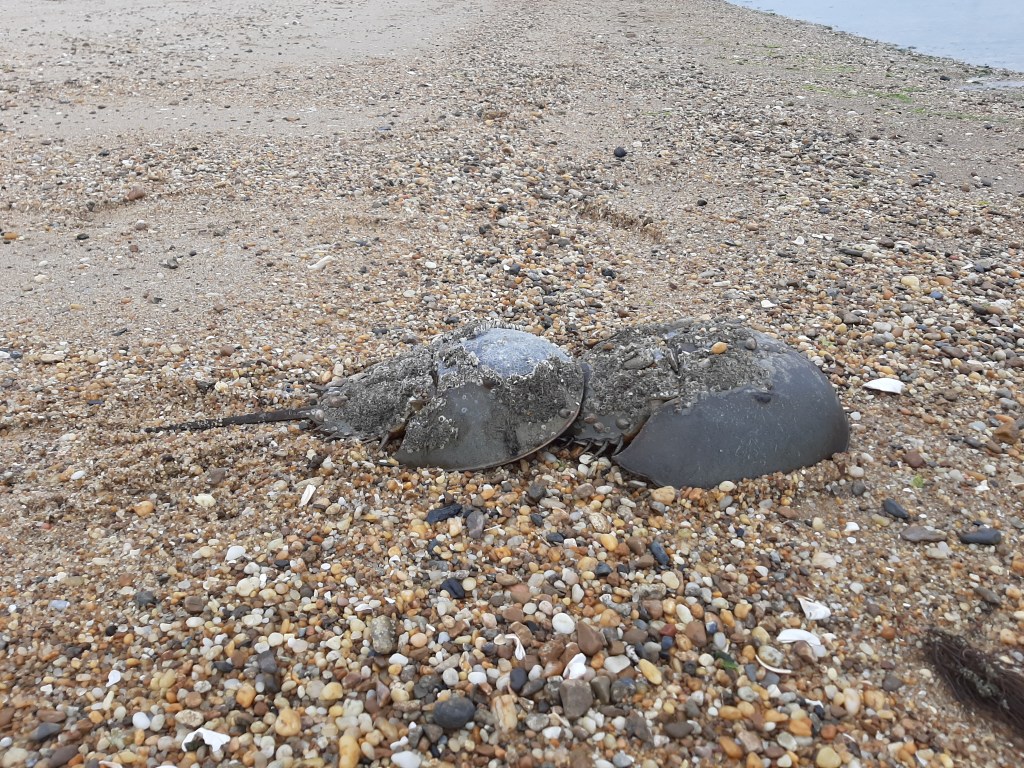
Not too much going on in the Lise and Ed world.  We’ve been back from our Delaware trip for a couple weeks now. We went to play around, and do some birding, especially to catch the annual northbound shorebird migration. One of the great natural spectacles. Every spring, shorebirds migrate from the southern hemisphere to nest in the Arctic region. This migration is timed such that the shorebirds hit the Delaware Bay area when horseshoe crabs are coming ashore in droves to lay their eggs. The peak time for both the shorebirds and the crabs is around the full moon at the end of May. The shorebirds fatten up on the horseshoe crab eggs, getting enough energy to fly to the arctic.

Horseshoe crabs are not crabs, rather they are arachnids. Like spiders, ticks, and scorpions. They’re an ancient animal, showing up in the fossil record before dinosaurs. In modern times they were harvested by trawlers and cut up to use as fertilizer or fish bait. Once the connection was made between reduced horseshoe crab numbers and reduced shorebird numbers, most states either eliminated or severely restricted horseshoe crab harvesting. A win for conservation. And for humans too. Turns out that the bright blue blood of horseshoe crabs has some interesting properties that make it a highly effective test for vaccines. Horseshoe crabs are captured, bled, and then released. Undoubtedly some die because of the bleeding but those doing the work know that it’s in their best interest to keep the crab populations viable.

Horseshoe crabs getting frisky at Cape Henlopen.

Shorebird flocks.

Willet strutting his stuff.

Not a shorebird but a nesting osprey.

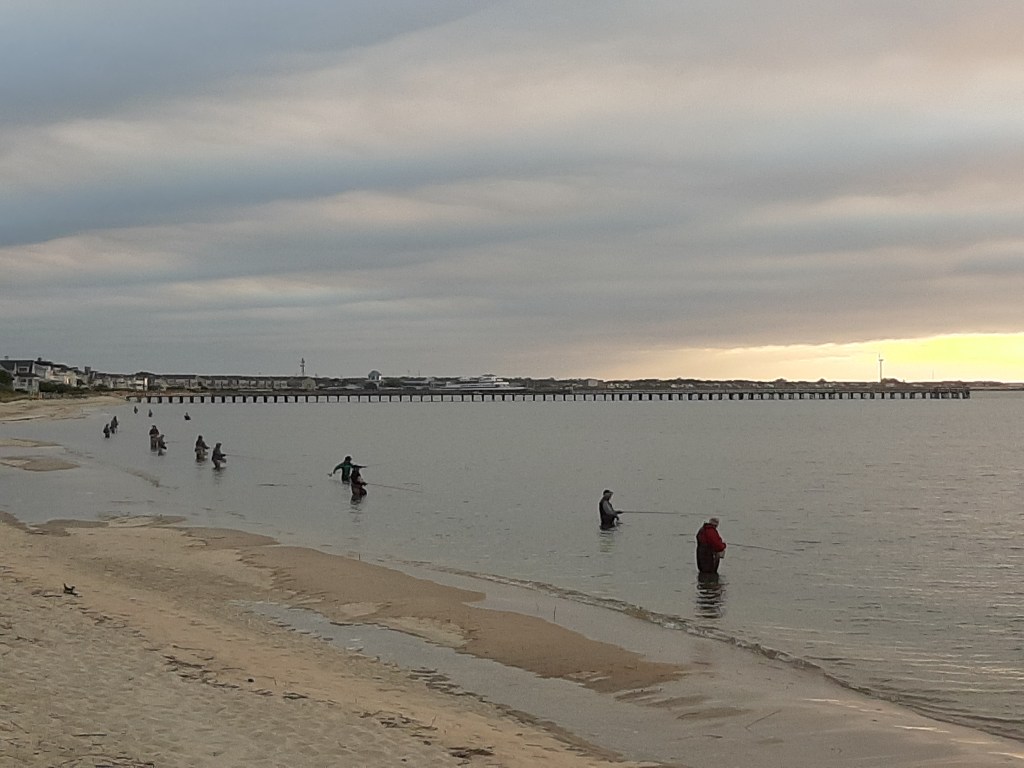
Salt water fly-fishermen at Cape Henlopen.

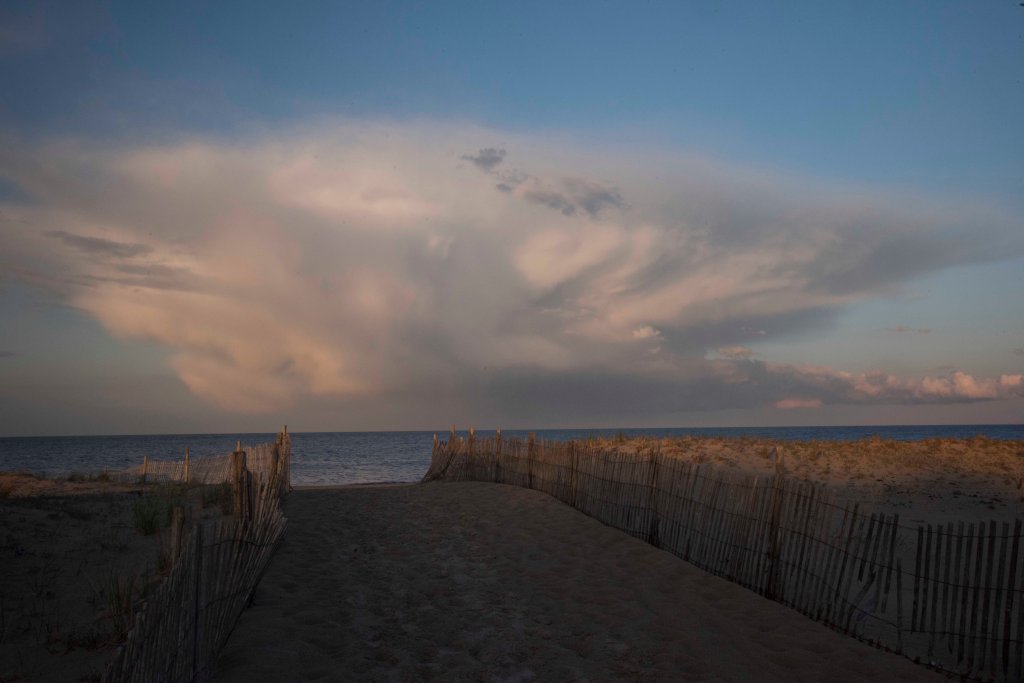
A storm over the ocean at Cape Henlopen.

Same storm, different view.

Not wishing to fight the Delaware Memorial Day tourist beach crowds we migrated back to Indiana before the holiday.  Since then, we’ve just been doing the Indiana thing. Bird migration is done until fall so we’re just chasing the local nesting species we haven’t seen yet this year. I’m at 211 species for the year and Lise has 213.

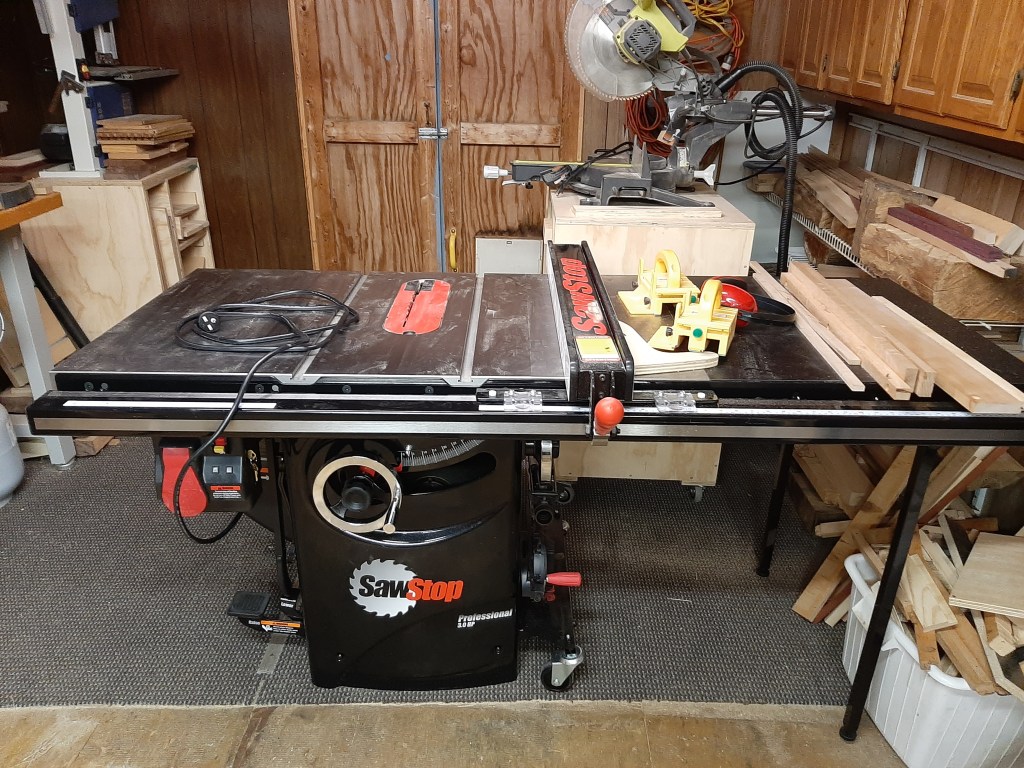
A non-birding highlight for me has been the arrival of my SawStop table saw. I ordered it last March, but because of Covid-related supply chain problems it was only delivered a week ago. All 526 pounds of it on a pallet in a semi-truck that couldn’t negotiate the cul-de-sac.

The saw cometh.

This thing cost more than most of the cars I’ve owned but it is super safe. If the spinning blade touches your skin the system senses the contact and buries the blade in a block of lead within five milliseconds. That’s 0.005 seconds. I saw a live demonstration where the operator hit the blade with a hotdog he was holding, and the blade disappeared before my eyes. The hotdog was barely scratched. You can find YouTube videos showing the system in action. Considering I watch a YouTube woodworking channel called Stumpy Nubs, this is a good safety feature.

When I registered the saw for the warranty, they had a question about why you bought the saw. Among the usual answers such as “upgrading tools”, high quality saw, “liked the reviews”, etc., was the option “wife demanded it”. I’m betting that answer is selected more than a few times.

The fully assembled beast taking its rightful place in the Ed Shed.

Monday, May 31, 2021

Today is Memorial Day, the day we honor those that died while in the service of the United States. Unlike Veteran’s Day which is intended to honor all those that served, not just those that died. My parents were married on Memorial Day. My father had us kids believing that the parade we saw every year was to celebrate their anniversary.

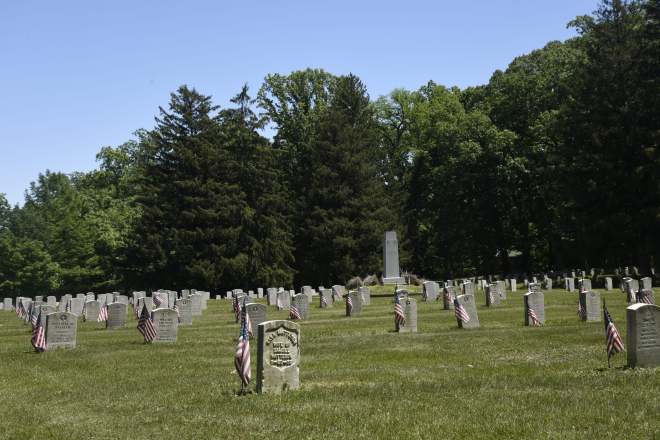
When we lived in Michigan, on Memorial Day Lise and I would go over to Fort Custer National Cemetery to pay our respects to those that served. Not all interred there died while in the service, but all served and deserve respect. Not having a National Cemetery close by we went to the Indiana Soldiers Home cemetery instead. The home is only a few miles from where we live. It was established in the 1890s to care for the aging Civil War veterans, as well as their widows or spouses. The home and cemetery are still open to veterans of any service branch. Almost 3,000 are interred there. We found graves of those that fought in the Mexican War up through Vietnam.

Indiana Soldiers home.

Mexican War veteran.

I spent six years in the U.S. Navy. During that time four people I directly served with died. None as a result of war or combat, but they died while they were serving in the U.S. military. One was a close friend. He died when he fell as we were rappelling down a cliff. I know of others that died but I directly worked with these four. Three of them I supervised at one time or another.

So, I raise a toast to Perry, Fred, Brian, and John. Rest in peace and thank you for serving. And may you always be remembered.

Friday, May 21, 2021

We are kicking back at the trailer in Delaware. Okay, maybe kicking back isn’t the appropriate terminology. We’ve been getting in some birding, photography, and kayaking which qualifies as kicking back. But we also hosted Molly and Mitchell, along with our friend Lindsay for a couple days, following that with a whirlwind trip to Philly to stay with the aforementioned folks, following that with a day trip to Lancaster and Lebanon on our way back to the trailer.

Chilling at Crooked Hammock brewery.

Bathing short-billled dowitcher.

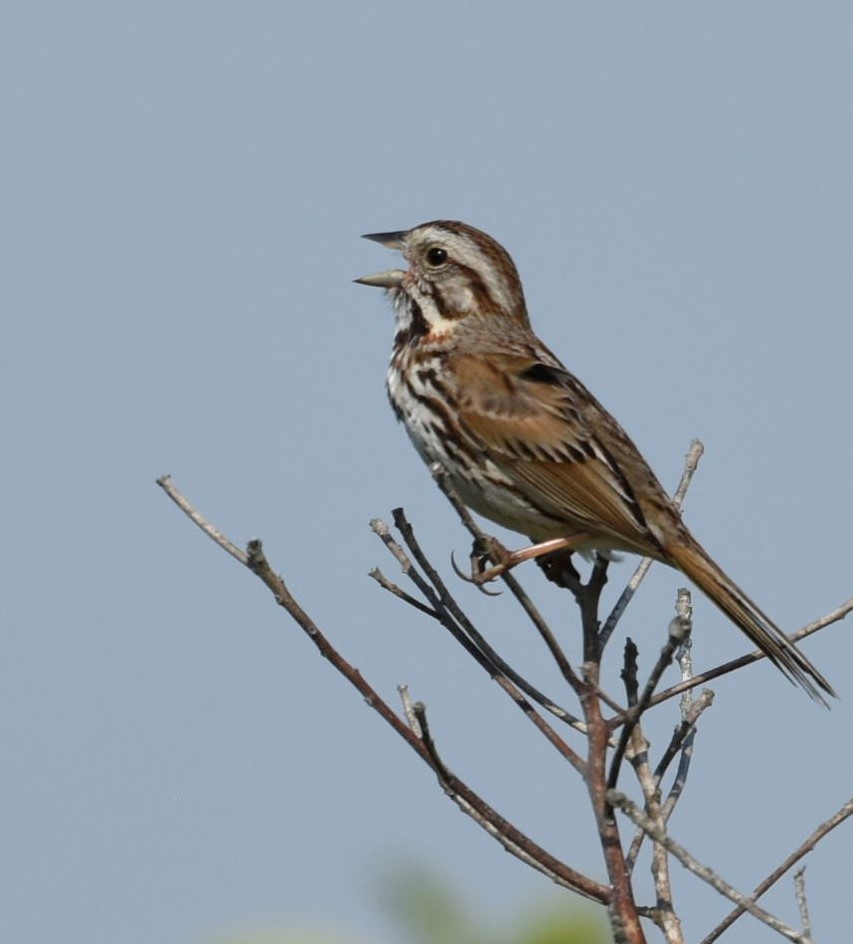
Singing song sparrow.

Seaside sparrow checking us out.

Seaside sparrow singing for the babes.

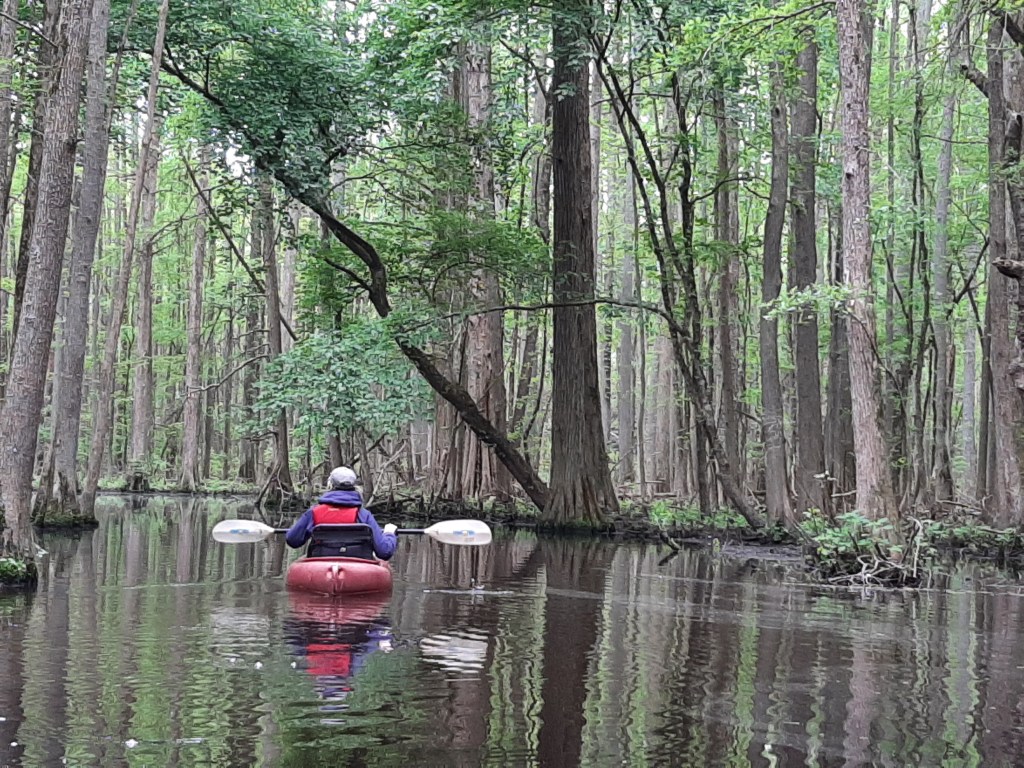
Lise kayaking through a cypress forest at Trapp Pond State Park.

Philadelphia skyscrapers.

Building reflections in Philly.

We had two reasons for our Lancaster visit. One was to load up on Weaver’s bacon, which I think is some of the best bacon in the world. This artery liner is to die for.

The other reason was to continue our Lewis and Clark expedition. When last we left our intrepid explorer, Meriwether Lewis was given command of the Corps of Discovery and went to Philadelphia. There he met with members of the American Philosophical Society who trained him in the scientific and medical skills required for the expedition. But prior to going to Philly, Lewis spent several weeks in Lancaster, Pennsylvania. There he stayed at the home of Andrew Ellicott, one of the leading frontier surveyors and mapmakers of the time and also a member of the American Philosophical Society. Ellicott helped to extend the original Mason-Dixon line marking the borders of Delaware, Maryland, and Pennsylvania, mapped the western boundaries of Pennsylvania and New York, produced the first topographic map of the Niagara River and Niagara Falls, surveyed the boundaries between Spanish territories and the U.S., and marked what would become the boundary line between the States of Alabama and Florida. From Ellicott, Lewis learned how to make latitude and longitude measurements and use the measurements to create maps.

Ellicott home in Lancaster.

Typical home from the time of Lewis’ visit.

Lancaster has a place in American history. When Lewis visited Lancaster in 1803, it was one of the largest U.S. inland cities. Lancaster was part of the original William Penn “Penn’s Woods” charter of 1681. The town was established in 1734 and incorporated as a borough in 1742. When the British occupied Philadelphia during the Revolutionary War, the Continental Congress fled first to Lancaster before moving on to York, Pennsylvania. The first long distance paved road in the U.S. was a turnpike going from Lancaster to Philadelphia. Completed in 1795, it was made of laid stones covered with gravel. Most likely Lewis traveled this road on his trip between Philly and Lancaster. Modern roads follow the course of the original turnpike, and we traveled parts of these modern versions. While traveling these roads through Lancaster County, one is traversing the heart of Amish country. Sharing the roads with horse and buggies, it isn’t hard to make the jump back to when Lewis made the trip.

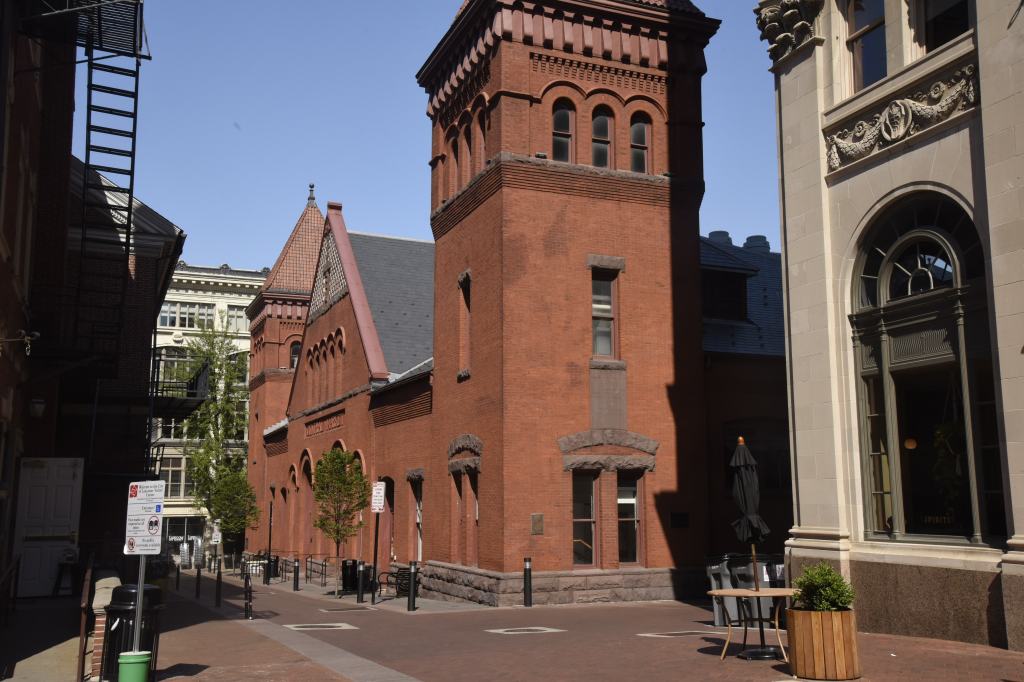
Site of the oldest continuously running Farmers’ market in the U.S.

Military tribute at the site that was the Lancaster courthouse, and used as the U.S. capitol for a short time.

Some period buildings in need of gentrification.

Other Lancaster residents of U.S. historical note are President James Buchanan, Robert Fulton of steamship fame, and lawyer and U.S. Representative Thaddeus Stevens. An ardent abolitionist, Stevens was considered a “Radical Republican”, back when Republicans actually had a moral backbone. His work led to the passage of the Thirteenth Amendment banning slavery.

When Lewis visited Lancaster, the building on the left with two entry doors was an inn and distillery. The building was later purchased by Thaddeus Stevens and served as his home and law office.

Thursday April 29, 2021

Lise and I took a little R&R time and went back east to Delaware, with a side trip to Lebanon to buy bacon and visit family, and to Philly to see Molly and Mitchell. In Delaware we did a couple little projects around the trailer but mostly went to see the ocean, go birding, and relax a bit. Birding was good and I got a blue corporal, my first dragonfly of the year.

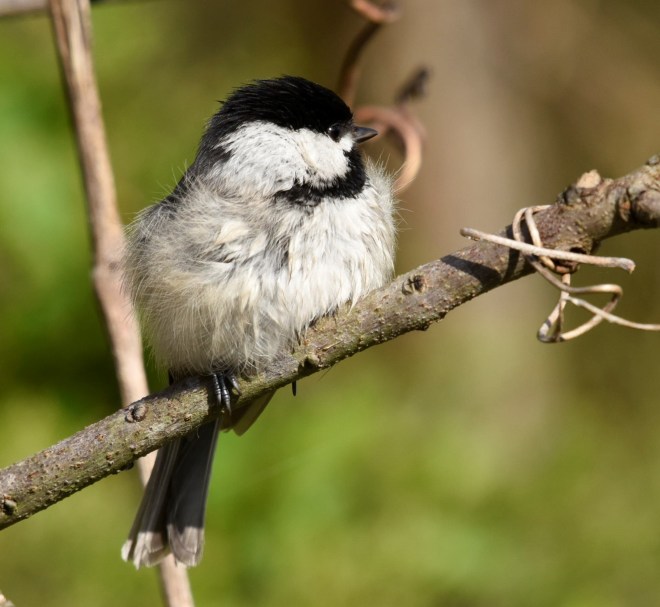
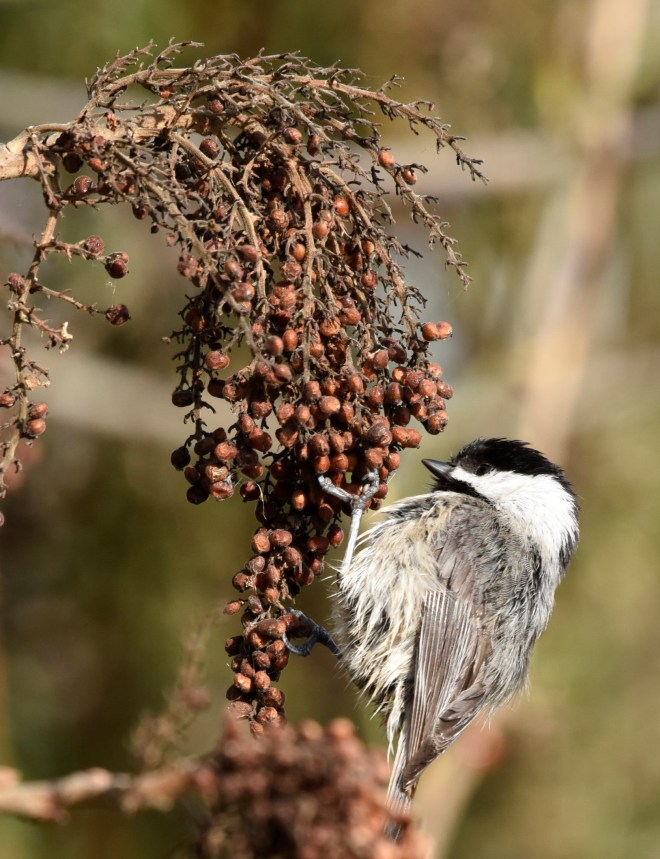
A ruffled but cooperative Carolina chickadee at Prime Hook National Wildlife Refuge.

Bald Eagle at Bombay Hook National Wildlife Refuge.

A rare pink-footed goose, with a snow goose in the rear, near Slaughter Beach.

Blue Corporal dragonfly at Prime Hook National Wildlife Refuge.

We also initiated a new adventure this trip. We wanted to give our travels a goal, so we decided to retrace the Lewis and Clarke expedition. Retracing the exact route is impossible since it has been highly altered since the expedition. We’re just going to visit as many documented points along the expedition route as possible.

The Corps of Discovery was muscle-powered. They paddled or walked around 8,000 miles. We will not. Hopefully some walking and paddling will be involved but our main means or transport will be powered by the internal combustion engine using fossil fuels. Nor is this something we will complete this summer. Like the Corps of Discovery Expedition, this will be a multiyear adventure. And, bowing to practicality and opportunity, we will not be doing the route in the same order Lewis and Clark did.

We started our little adventure this trip in Philadelphia. We’re lucky in that we have great a connection in Philadelphia. Molly and Mitchell live an easy walk from the historic part of Philly. While Philly technically wasn’t the starting point for the Corps of Discovery, the city played an important role in the expedition’s success. Once tasked with leading the expedition, Lewis came to Philadelphia for training and a major shopping trip. After the expedition’s completion, specimens collected during the expedition were sent to Philly for identification and cataloging.

Philadelphia has an interesting history. It has a well-justified reputation as a tough, gritty city. You pick a fight with Philly, you get your tit in a wringer. This is the town where sports fans snowballed Santa and celebrated victories by climbing light poles greased up specifically to prevent climbing. That’s chutzpah. Philly has had some rough times. When I was a kid, Philly was a place to be avoided unless you were traveling in a crowd. But after a long hard slog, Philly is seeing a renaissance, thanks to investment and gentrification. We enjoy visiting Philly. It’s not the same city I visited as a kid and definitely not the same city Meriweather Lewis visited in 1802 and 1803.

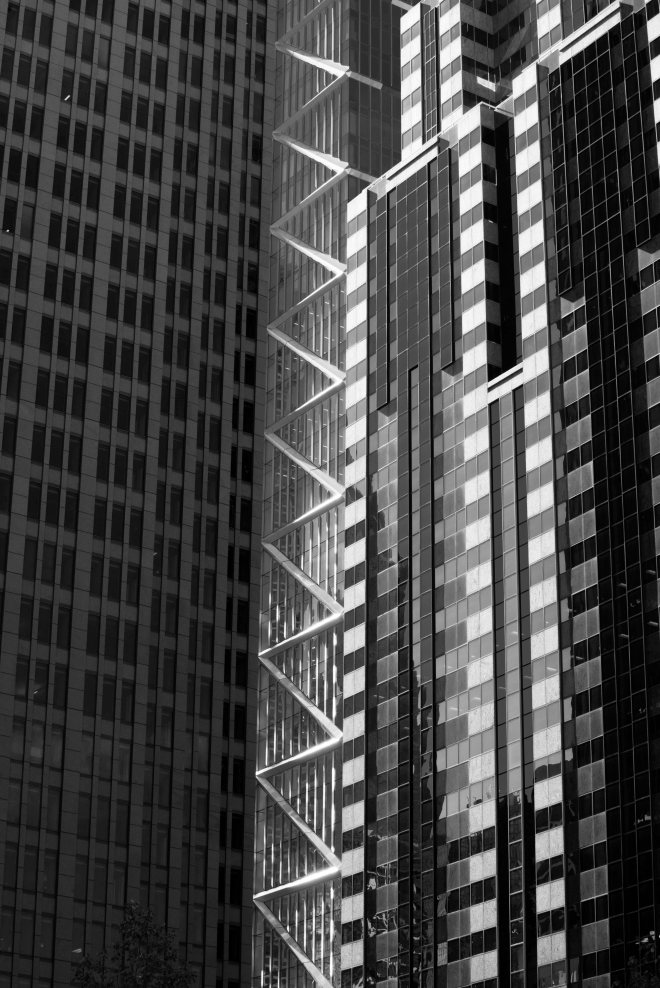
Philly skyscrapers in color or black and white.

A gentrified Philadelphia neighborhood.

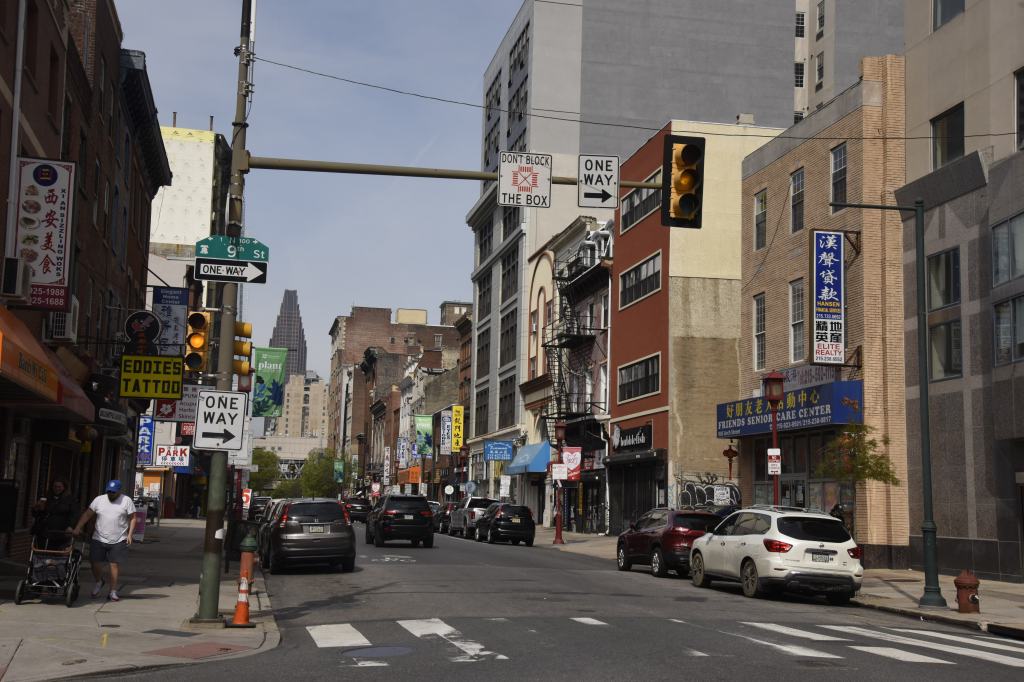
Chinatown. Philadelphia may have been cosmopolitan for the colonies, but a Chinatown is not something Lewis would have seen.

When Lewis came to Philly it was the largest city in the U.S. and the intellectual and scientific center of the country. This is the city where the Declaration of Independence and the U.S. Constitution were written. Where the first two Continental Congresses were held. Where Thomas Paine’s “Common Sense” and the first U.S. newspaper were printed. The first public hospital, the first volunteer fire company, and the first post office were formed here. The U.S. Marine Corps was founded in Tun Tavern. Ben Franklin and others founded the American Philosophical Society, the first U.S. organization dedicated to advancing science and philosophy. The list goes on and on. To use a Mark Twain phrase, you can’t swing a dead cat in Philly without hitting a historical marker of some sort. Nowhere else in this country will you find so much early U.S. history all within easy walking distance.

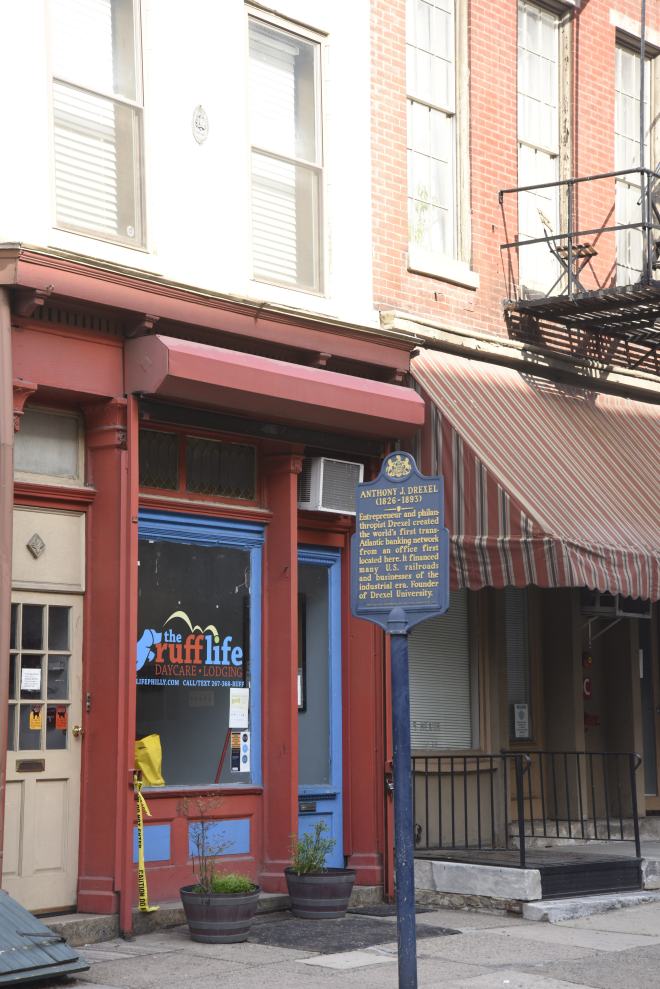
Typical historical marker you see while walking neighborhoods in Philly.

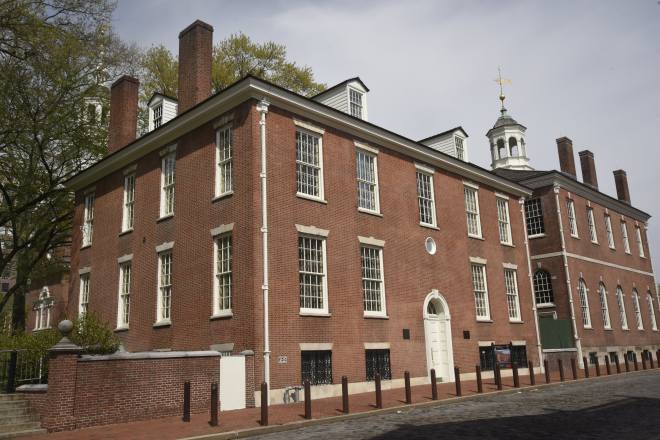
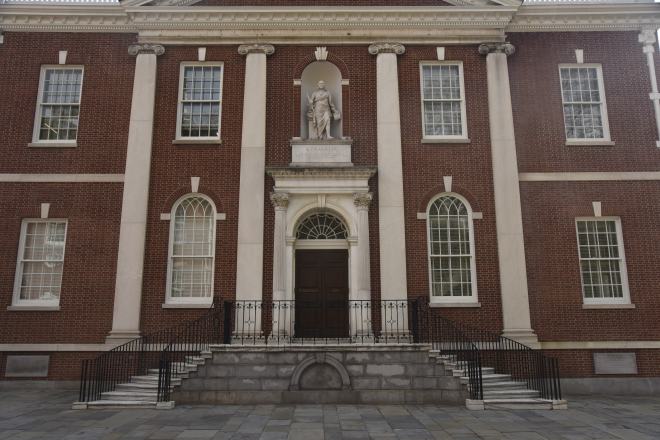
The American Philosophical Society.

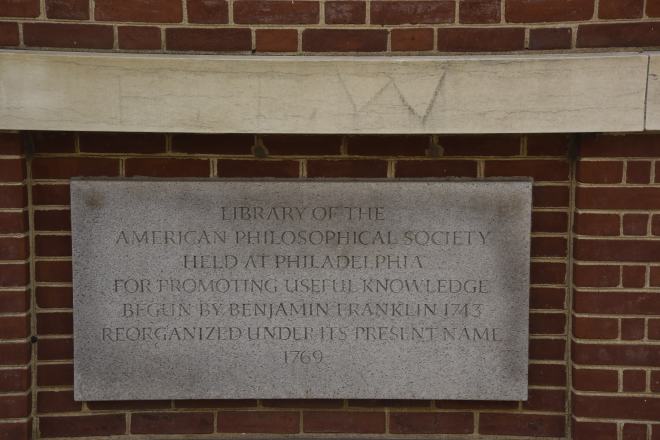
Library of the American Philosophical Society

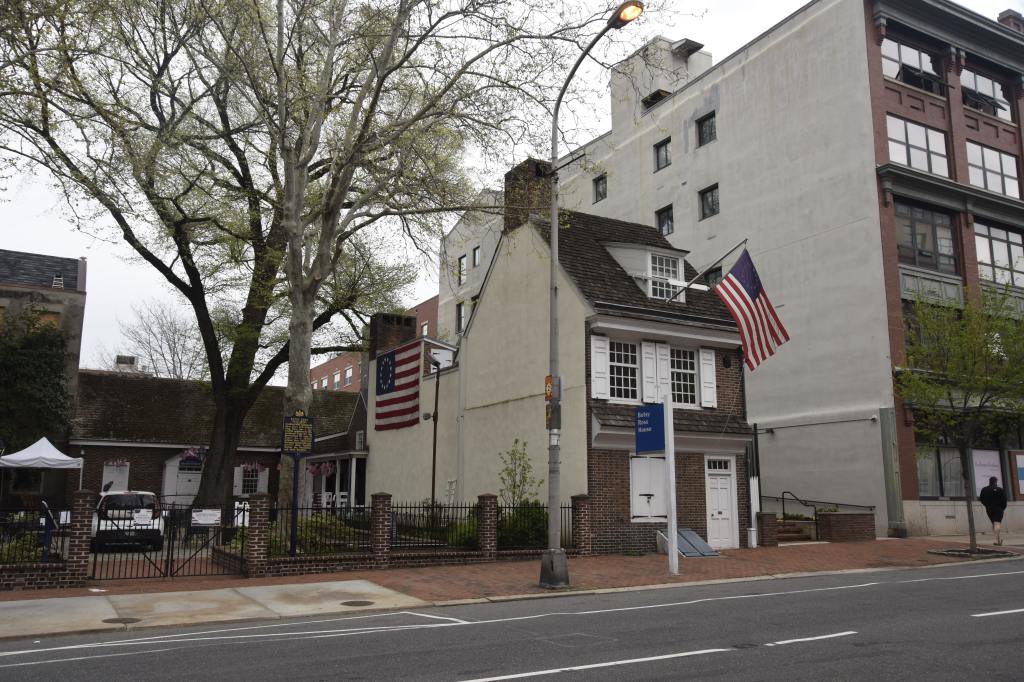
Home of Betsy Ross, seamstress, upholsterer, and creator of the Stars and Stripes.

The home where Jefferson composed the Declaration of Independence.

Independence Hall.

Ben Franklin’s grave in Christ Church Burial Ground. The church formed in 1695 as an Anglican church. In 1789 the church’s rector lead in the splitting of the American Episcopal Church from the Anglican Church. Fifteen signers of the Declaration of Independence were church members and five are buried there. The church still uses the baptismal font used to baptize William Penn.

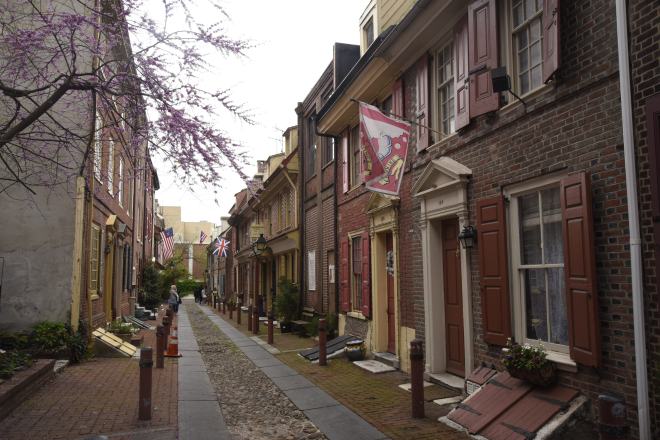
Elfreth’s Alley. The oldest continually occupied street in America. The homes are still privately owned and occupied. One homeowner gave us a peek inside her home.

In 1802 Lewis visited Philly for a social outing where he was introduced to a number of the political and social leaders of the time. In 1803, Thomas Jefferson gave Lewis command of the Corps of Discovery. Prior to embarking on the expedition, Jefferson first sent Lewis to Lancaster Pennsylvania to train in frontier surveying and mapping, then on to Philadelphia for more training. Jefferson, a member of the Philosophical Society, had Lewis meet with other members for training in frontier medicine, botany and plant identification, animal identification, celestial observation, and geology.

Dr. Benjamin Rush gave Lewis a couple weeks training in frontier medicine and supplied Lewis with a stock of the good doctor’s own concoction called “Rush’s Pills”. These pills were a massive laxative and given the nickname “Thunder Clappers”. The good doctor saw these pills as a cure-all and suggested using them liberally. Lewis also obtained other medicinal substances including opium and mercury in the form of a compound called Calomel, which at the time was the primary treatment for syphilis.

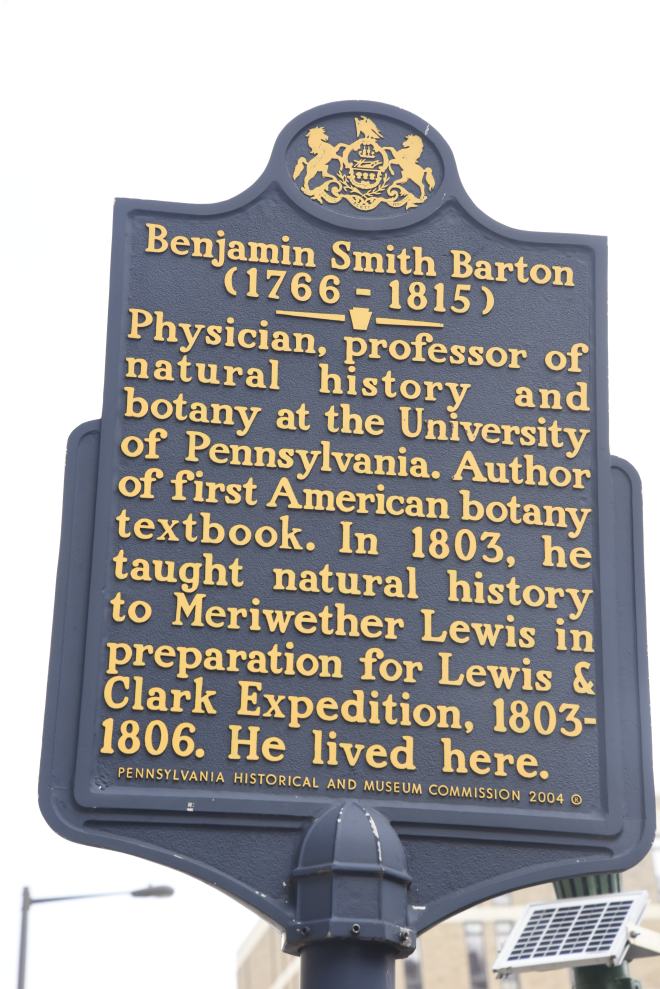
Benjamin Bartram, the country’s leading botanist, taught Lewis how to identify, collect, and preserve plant specimens. From Casper Wistar he learned about animal identification and fossils. From Robert Patterson he learned geography, geology, and celestial observation. He visited the museum of Charles Peale who put the first mastodon skeleton on view, an animal Jefferson thought they might find on the expedition.

The location of Bartram’s home and its current use.

Lewis also went on a huge shopping trip to supply the Corps. His agent, Israel Whelan, visited over 20 different shops buying among other things, medicines, fishhooks, calico ruffled shirts, strong wine, Jew’s harps, tomahawks, 193 pounds of portable soup, 63 pounds of pigtail tobacco, trinkets for gifts, and a gold chronometer. All told Lewis purchased about 3,500 pounds of supplies. His $2,100 shopping spree is equivalent to over $44,000 in today’s money.

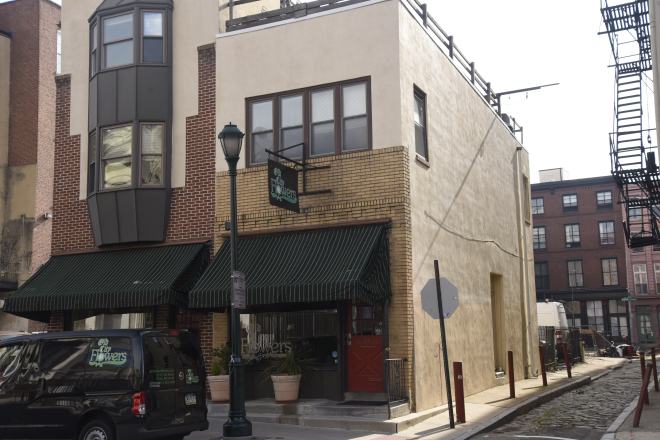
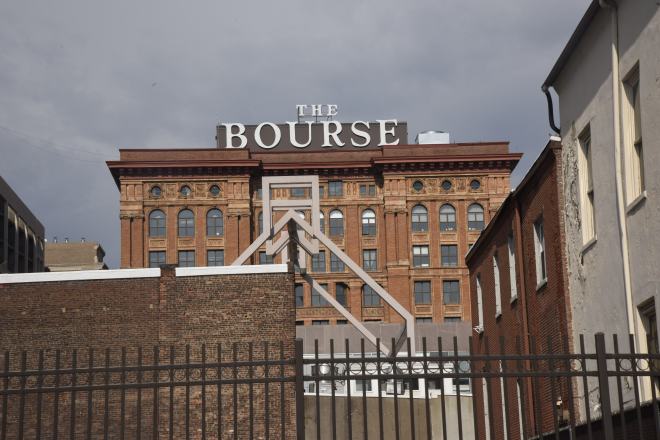
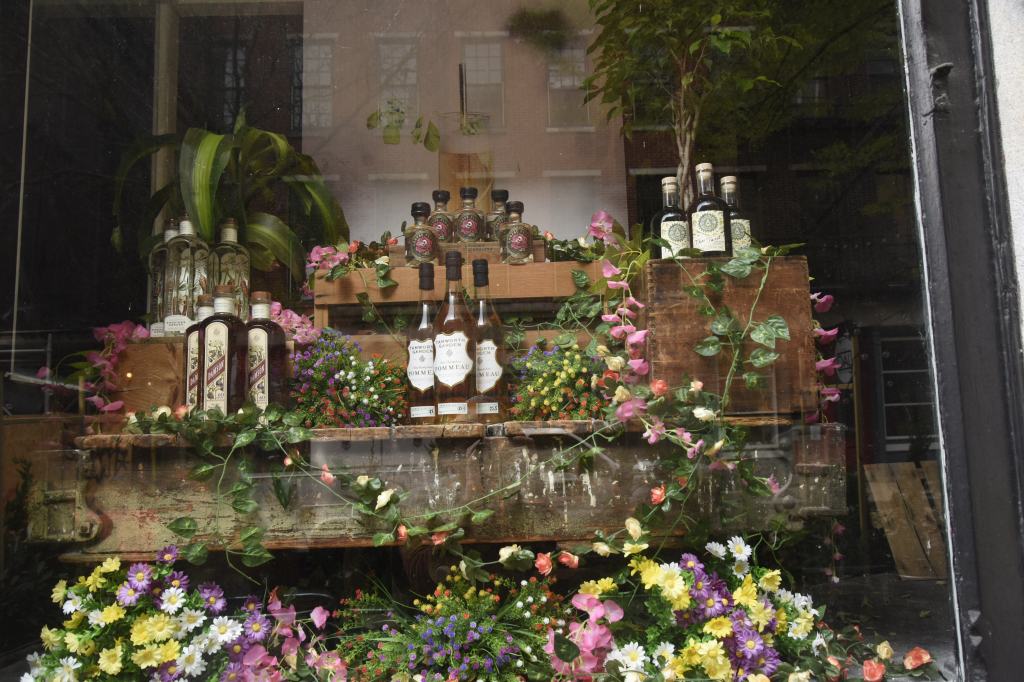
Now a flower shop, at 31 South Third Street Lewis bought a gold chronometer from Thomas Parker’s shop.  From the shop looking towards the Bourse one can see the rebuilt frame of Benjamin Franklin’s home. The Bourse was the first commodities exchange in the U.S. It is also the first building in the world to house a commodities exchange, maritime exchange, and a grain trading exchange at the same time. It’s now a food court.

Now available for lease, at 726 Market Street, Lewis bought 63 pounds of “pigtail tobacco” from Thomas Leiper’s.

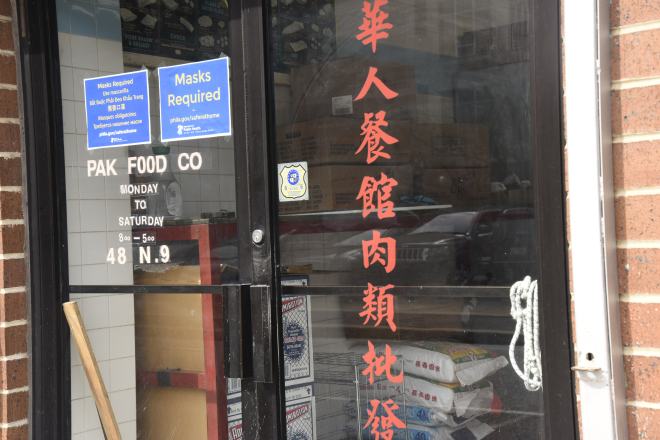
What is now a parking lot in Chinatown, 21 N. Ninth Street, was the shop of François Baillet’s. Here Lewis bought 193 pounds of “portable soup”. Currently, directly across the street, is a very different food provisioner.

Now a barber school, 114 North Third Street was Christian H. Denchla’s shop. Here Lewis bought 73 dozen trinkets to be used as gifts for Native Americans. The wares available at adjoining shops are very different from those available during Lewis’s visit and attest to the Philly’s gentrification.

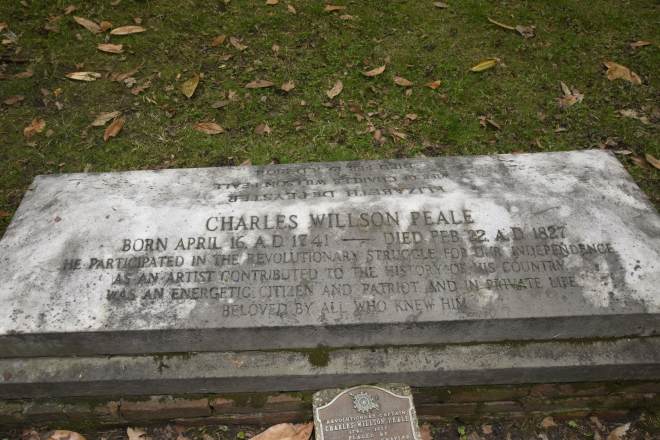
Philly also figures in the end of the Corps of Discovery expedition. Many of the specimens collected by Lewis and Clark came back to Philadelphia for identification and preservation. Lewis bequeathed many of the artifacts collected on the expedition to Charles Willson Peale. Peale also painted portraits of Lewis and Clark. And finally, after Lewis’s death, it was a Philadelphia publisher and writers that finished and published the story of the expedition. Lewis’s original leather-bound journals reside at the American Philosophical Society in Philadelphia.

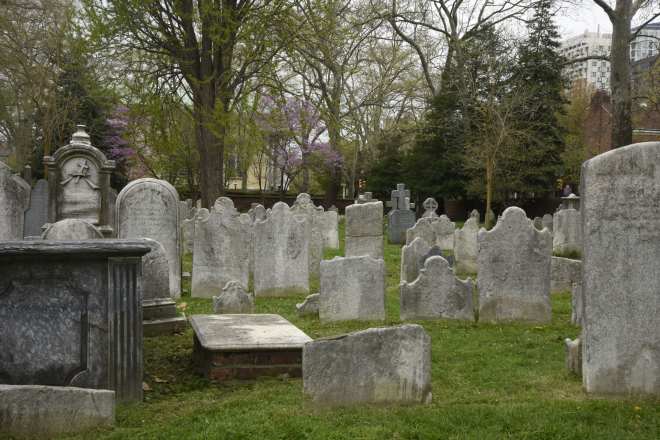
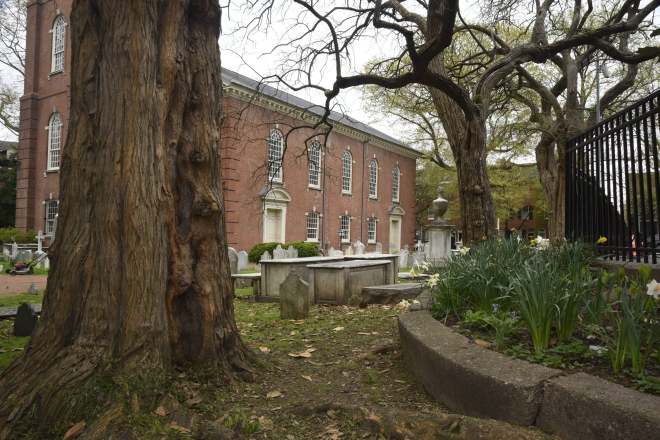
The graveyard containing Charles Willson Peale’s grave at St. Peter’s Church. The church was founded in 1761 and is still active today. Other historical figures are buried there. The church still uses the original box pews, including the one frequented by George and Martha Washington. The Osage orange trees in the graveyard were grown from stock brought back from the expedition that Lewis planted in St. Louis.

Sunday, March 14, 2021

3.14.21 Happy pi day, 2021, for those interested in irrational numbers.

How time flies during a pandemic. With so many restrictions on movement and gatherings one would think there’s plenty of time to contemplate life and get some writing done. Not so for me. I seem to have no trouble filling my time. Too many things to do, like reading up on pi. There’s much more to pi than simply the ratio of a circle’s circumference to its diameter.

The weather has turned nicer and Spring is most definitely on the way. Birds are molting into their breeding plumage and are starting to do their mating songs. The early Spring arrivals like red-winged blackbirds and meadowlarks are back. We had woodcocks doing their mating ritual in the field behind our house. There’s a bald eagle on the nest at Prophetstown State Park. Frogs are doing their choruses too.

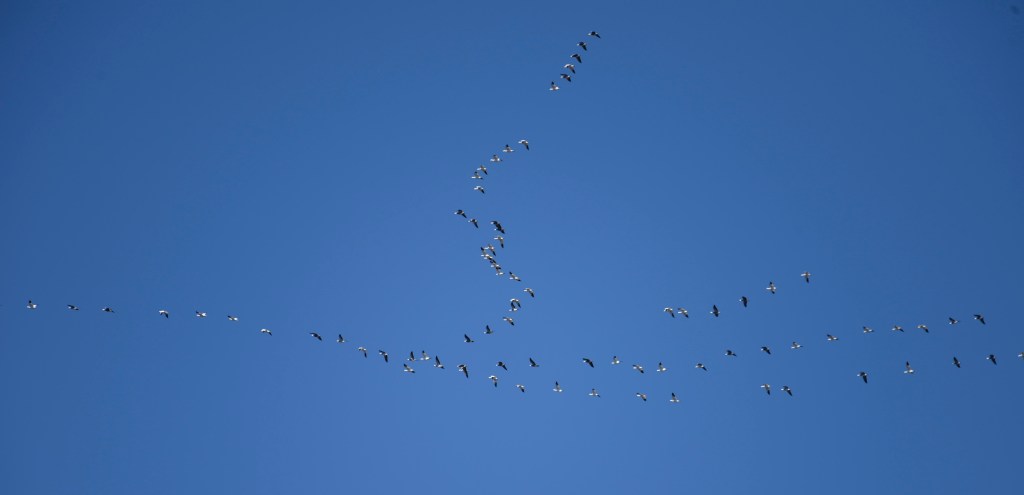
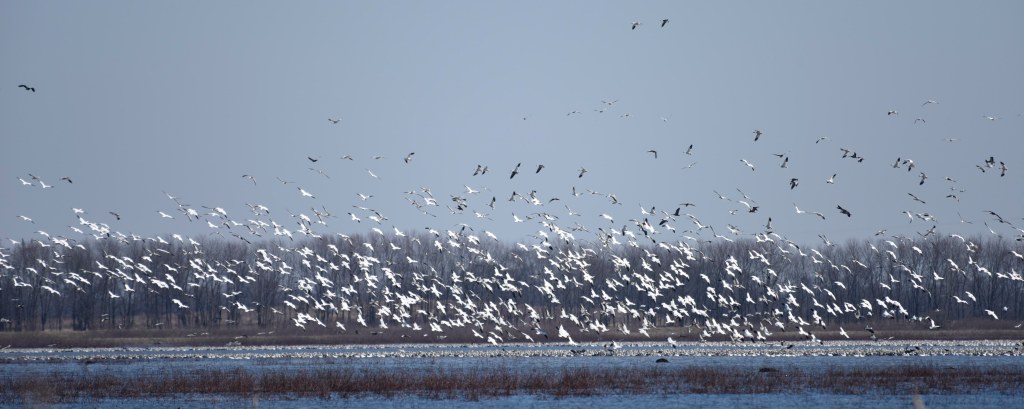
Lise and I have been getting out for some socially distanced walking and birding. A week or so ago we went down to Goose Pond near Linton. When I lived in Indiana 20 or so years ago, Goose Pond was a failing farm area. Everyone that tried to farm the area went broke. Finally, someone realized that highest and best use of the property was not farming, but as a wetland wildlife area. I remember US Fish and Wildlife Service being interested in establishing Goose Pond as a wildlife refuge but it looks like the Indiana DNR is the agency that finally got it done. There was the predictable anti anything progressive noise about taking “good” farmland out of production. Even though everyone that tried farming the area failed. So now we have a 9,000 acre refuge that is a conservation success story. I can’t remember white pelicans or snow geese in south central Indiana when I lived here before. Not that a large expanse of flat drained farm fields would be of interest to migrating birds. Give them a reason to be here and now they’re regulars in large numbers. Goose Pond had tens of thousands of snow geese when we were there. Larger flocks than what I saw in coastal Delaware. If you build it, they will come.

Snow geese overhead.
Snow geese liftoff.

Other than a few things like local trips, we are just plugging along day to day, waiting for COVID to die back enough we feel safe. Both Lise and I have had the first vaccination shot, and I just got my second one. We’re both ready to do some traveling without the hassles associated with COVID.

Personally, I’m still struggling a bit with relevance. Right now, my main purpose in life seems to be chasing squirrels off the bird feeders. I’m coming up on the two-year anniversary of my starting the Appalachian Trail. The trail took about six months to complete, and then there was another six months of transition. Things like coming off the trail, moving, getting my shop set up, fixing up the Delaware trailer, etc. Nothing monumental. But now it’s been two years and I don’t seem to have any particular direction or a plan. That’s fine for a short time. Everyone needs some time to aimlessly wander. But eventually one needs some direction. A year of COVID is partly to blame, but that’s too easy a cop out.

I’m thinking that the issue is a lack of focus. It’s not like I’m sitting around bored. I have plenty of things to do and have no problem filling my day. When I was gainfully employed, without a lot of spare time, I had to narrow my focus to a few things. Now it seems like the gift of time has scattered me too much. I want to do everything, but don’t seem to be accomplishing anything. I can’t point to anything I’m doing right now that’s making the world better. Well maybe my pledge to never vote for a Republican again. That’s making the world better, but that’s too easy. Kind of like drugs. Makes you feel good with no effort at all.

Tuesday, February 2, 2021

Happy Grundsautag AKA (ground hog’s day).

Well apparently, that rodent in Pennsylvania saw his shadow so we’re destined to have an additional six weeks of winter. Yuck. Coincidentally, normally climatically mild Philadelphia got eight inches of snow. Inland and upstate Pennsylvania got a more. You canonize a rodent, you get what you deserve.

We got our share of snow on Saturday night. Eight wet heavy inches. That I severely irritated my back while shoveling. So no, I’m not a snow fan at the moment. Lise and I did get in a little hike at Prophetstown State Park on Monday. By then the snow surface had melted and refroze, making a thick crust we had to break through. Made for tough walking but still nice to be outside.

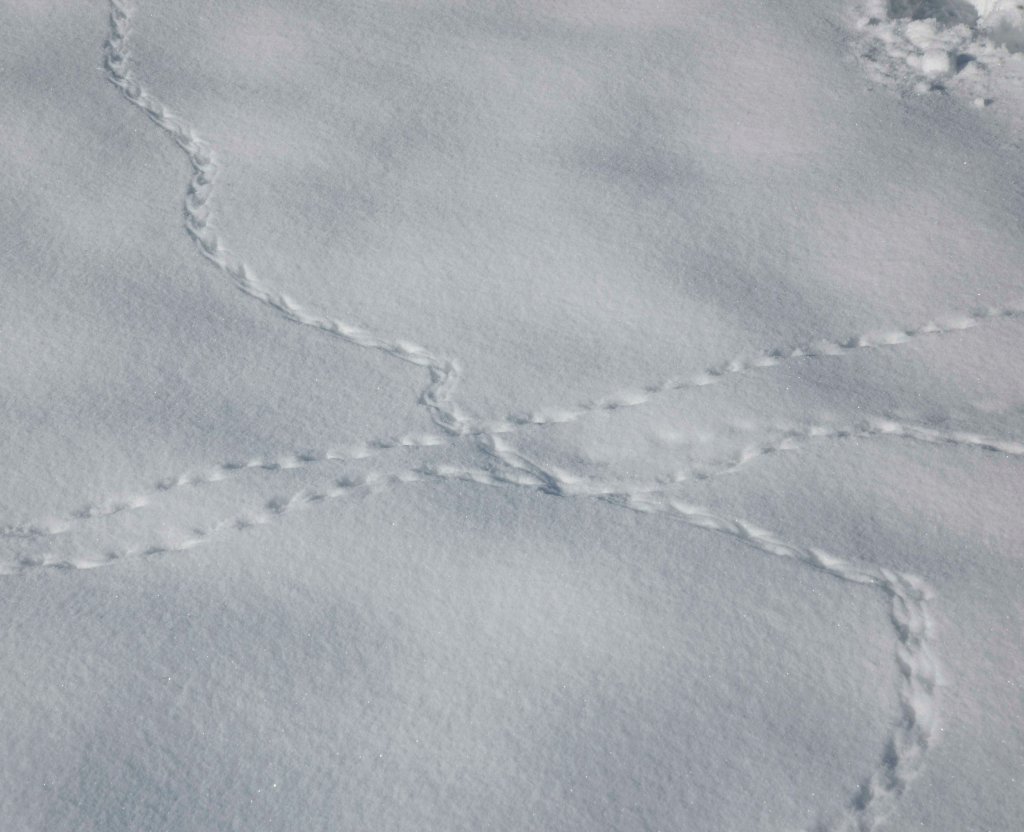
Animal tracks at Prophetstown. One wonders what’s going on here.

Not too much else exciting going on. Between the UP and Delaware, our yearly bird list is off to a good start. The last day of January we had 99 species for the month. And a baby seal. I’ve seen seals in Delaware before, but out in the ocean. This little guy was back in Rehobeth Bay.

Seal and a cormorant at Burton’s Island, Delaware Seashore State Park.

We have a respectable start for this year’s species count, but not like last January when we were in Belize. Last year Lise finished the year with 330 species and I had 329. Given the boost from the Belize trip we should have done much better but COVID put the kibosh on that. This year, who knows. Not to be too negative, I’m thinking the first half of the year is going to look a lot like most of last year. At least I have an appointment for my first vaccine shot. And tRump isn’t president anymore. So, there is hope.